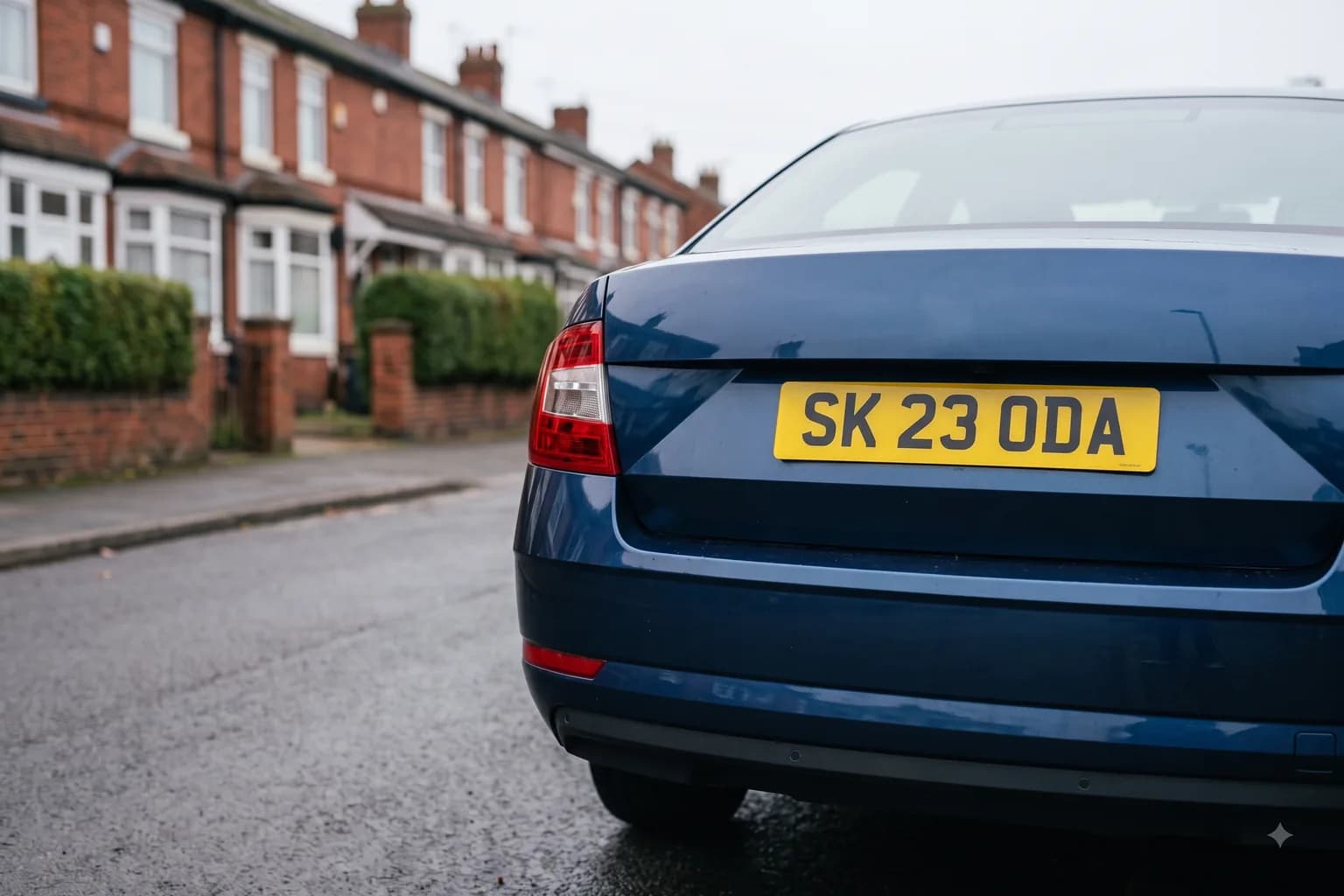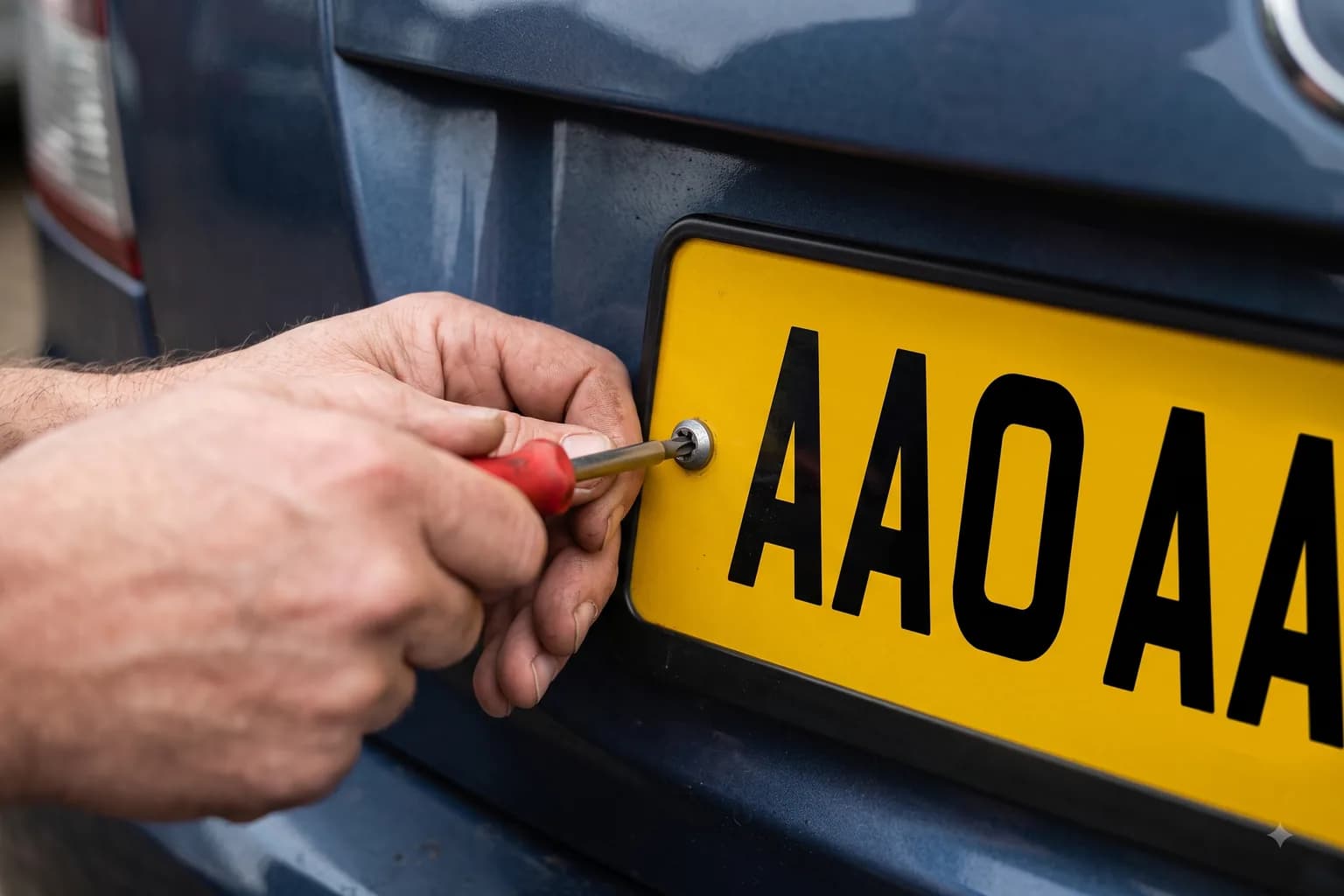
A penalty notice arrives for a journey you did not make. A congestion charge photo shows a vehicle that is not yours. That is often the moment motorists ask how plate duplication gets detected - but by then, a cloned registration may already have been used to commit offences in your name.
Number plate cloning is not simply a paperwork problem. It is automotive identity misuse. Criminals copy a legitimate registration and fit it to a similar vehicle, allowing that vehicle to appear genuine to cameras, witnesses and automated enforcement systems. Detection depends on finding the mismatch quickly, recording reliable evidence and creating a clear trail that separates your vehicle from the clone.
What plate duplication looks like in practice
A duplicate number plate can be made using a registration that belongs to an unrelated vehicle. The criminal will often select a vehicle with the same or a closely matching make, model and colour because it is less likely to stand out in an image captured by ANPR, parking or traffic cameras.
The cloned plate may then be used to avoid congestion and clean-air charges, parking fees, tolls or enforcement action. It can also be connected to more serious offending, including fuel theft, dangerous driving and the movement of vehicles involved in crime. The registered keeper of the genuine vehicle can be left explaining why their registration has appeared hundreds of miles away.
The key distinction is that a legitimate replacement plate is produced for the correct registered keeper and vehicle. Unauthorised duplication uses the same visible registration without the authority, verification or security trail that should sit behind lawful plate production.
How plate duplication gets detected through mismatched evidence
There is rarely one single alert that proves cloning. More commonly, plate duplication is detected when several facts do not fit together. A camera image, a time stamp, a location and the vehicle's visual details are compared against what the genuine keeper knows about their vehicle and movements.
A notice is often the first warning. If it places your vehicle in a location where it could not have been, inspect the image immediately. Check the make, model, body shape, colour, alloy wheels, roof rails, badges, damage, stickers and any other identifiable features. A cloned plate may match the registration precisely while the car itself is clearly different.
Time and geography matter too. A vehicle cannot be photographed in Manchester at 10:15 and then in Bristol minutes later. Fleet operators may be especially well placed to identify this type of conflict because telematics, delivery records and driver logs can establish where a vehicle was operating at a particular time.
Keep in mind that a discrepancy is not always proof of a clone. Camera data can be incorrect, a registration can be misread, and dates or times may require checking. The strongest case is built from objective records rather than assumptions.
The evidence that carries weight
Clear evidence gives enforcement bodies and police a practical basis to investigate. Start by retaining the original notice, reference number, images and the date you received them. Do not rely on a phone call alone when the allegation could lead to repeated demands or escalation.
Useful supporting records include dated photographs of your vehicle from multiple angles, proof of its distinguishing features, dash-cam footage, parking receipts, work records, GPS or telematics data, and statements from people who can confirm where the vehicle was. If your vehicle was at home, CCTV may help. If it was in a garage, obtain the booking and invoice details.
For a business vehicle, preserve driver schedules, job sheets, depot entry records and fuel transactions. These records can show a consistent chain of location evidence. They also reduce the time spent trying to reconstruct events after a notice arrives.
Detection starts before a fine arrives
Waiting for a penalty charge notice is passive detection. It tells you that the registration may already have been used. Proactive plate protection creates a better chance of identifying suspicious duplication activity earlier, particularly where registration and plate-production checks are connected to a secure record.
A secure platform can record plate credentials, establish a verified status and flag activity that does not align with the registered plate's history. The objective is not to replace police or enforcement investigations. It is to give legitimate keepers and authorised plate manufacturers a reliable way to verify credentials, identify anomalies and respond at speed.
This is where Protect A Plate's proprietary tech is designed to add control. Its encrypted global tracking database supports registration, detection, verification and instant alerts, giving motorists and commercial users a security-led route to act when something appears wrong.
Why verification at the point of production matters
Detection is stronger when prevention is built into the number plate supply chain. A legitimate plate manufacturer should verify entitlement before producing a plate and retain the required records. That process makes unauthorised production harder and gives honest suppliers a clearer audit trail.
For manufacturers, a searchable plate status process can help identify whether a registration has protection or an associated risk marker before an order progresses. For drivers, registration creates a documented connection between the vehicle, its credentials and the person responsible for it.
No database can stop every criminal from attempting to copy a registration. A physical plate can be photographed in public, and offenders do not always use legitimate suppliers. However, encrypted registration, verified checks and rapid alerting make duplication more visible and give every legitimate party a stronger evidential starting point.
What to do when you suspect your plate has been cloned
Act promptly, but do not alter or dispose of anything that could help establish the facts. Photograph your own vehicle and plates as they are, including close-ups and wider shots showing its distinguishing features. Save the alleged offence documentation and make copies of all communications.
Challenge the notice through the issuing authority's stated process and provide evidence that the photographed vehicle is not yours. Be precise: identify the visual difference, state where your vehicle was, and attach the records that support it. A short, factual chronology is usually more effective than an emotional explanation.
You should also report suspected cloning to the police through the appropriate reporting route and obtain a crime reference number where available. Notify relevant bodies if their notices have been affected, and keep a record of every case reference, date and response. If an insurer, finance provider or fleet manager needs to know, inform them early and provide only confirmed information.
Do not assume that resolving one notice ends the risk. A cloned registration can be used repeatedly. Continue to monitor incoming post, emails and account notifications, and retain your evidence in one secure folder. If a new allegation appears, you will be ready to show the pattern and respond without delay.
The value of fast alerts
Speed changes the outcome. The longer a clone is used without challenge, the greater the chance of multiple penalties, administrative pressure and confusion over the vehicle's history. Immediate email, SMS or push notifications can bring suspicious activity to the keeper's attention while dates, footage and location records are still available.
For fleet operators, this matters at scale. One duplicated registration can create disrupted drivers, missed jobs and time-consuming case management. Centralised monitoring gives managers a clearer view of vehicle identity risks and helps them escalate credible incidents with organised evidence.
For private motorists, the benefit is simpler but no less significant: you remain in control of your vehicle's identity rather than discovering the problem after enforcement correspondence reaches your door.
A number plate is public, but your vehicle identity should not be easy to misuse. Registering, verifying and monitoring it gives you a practical line of defence - and the earlier suspicious duplication is identified, the easier it is to protect your record and move decisively.