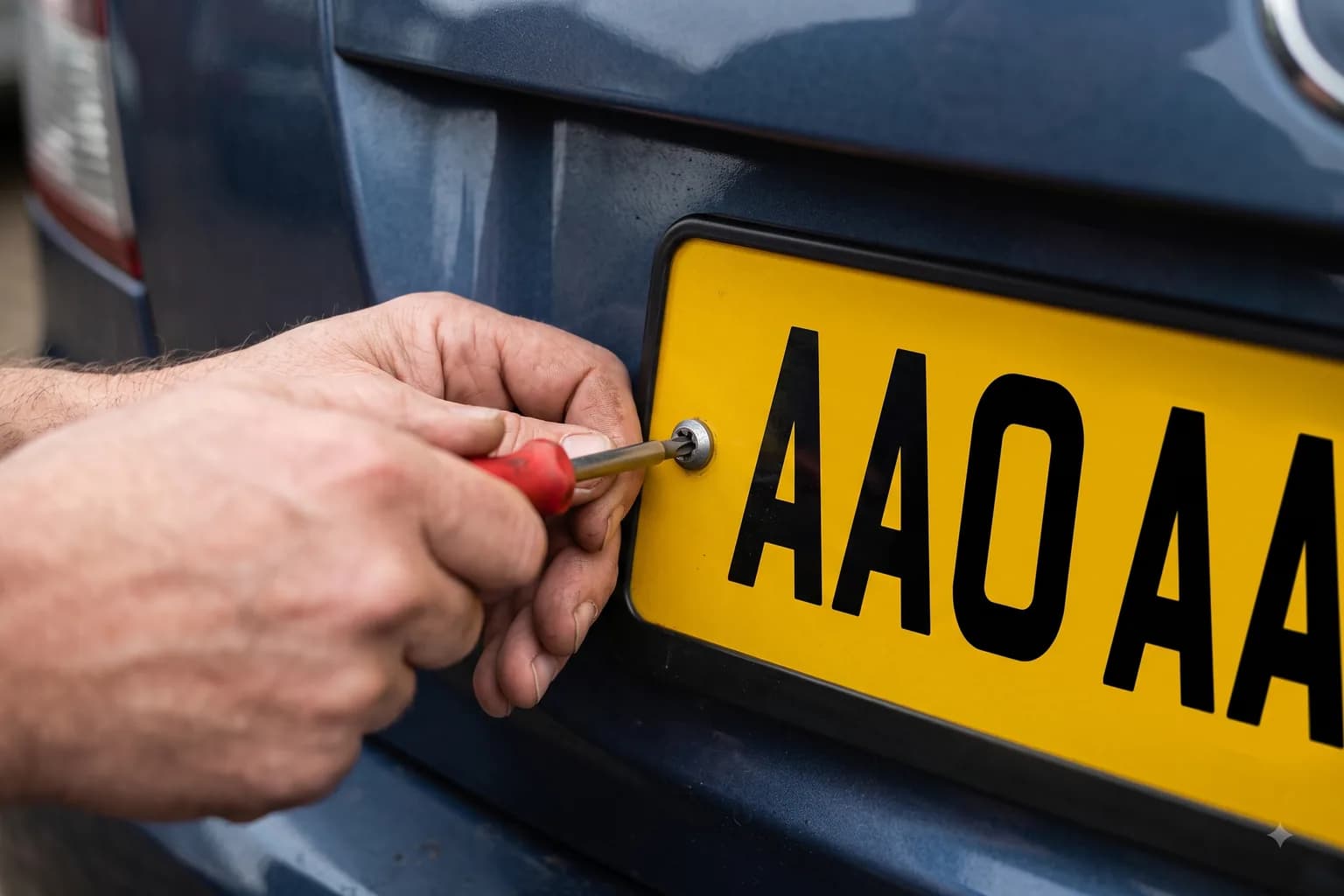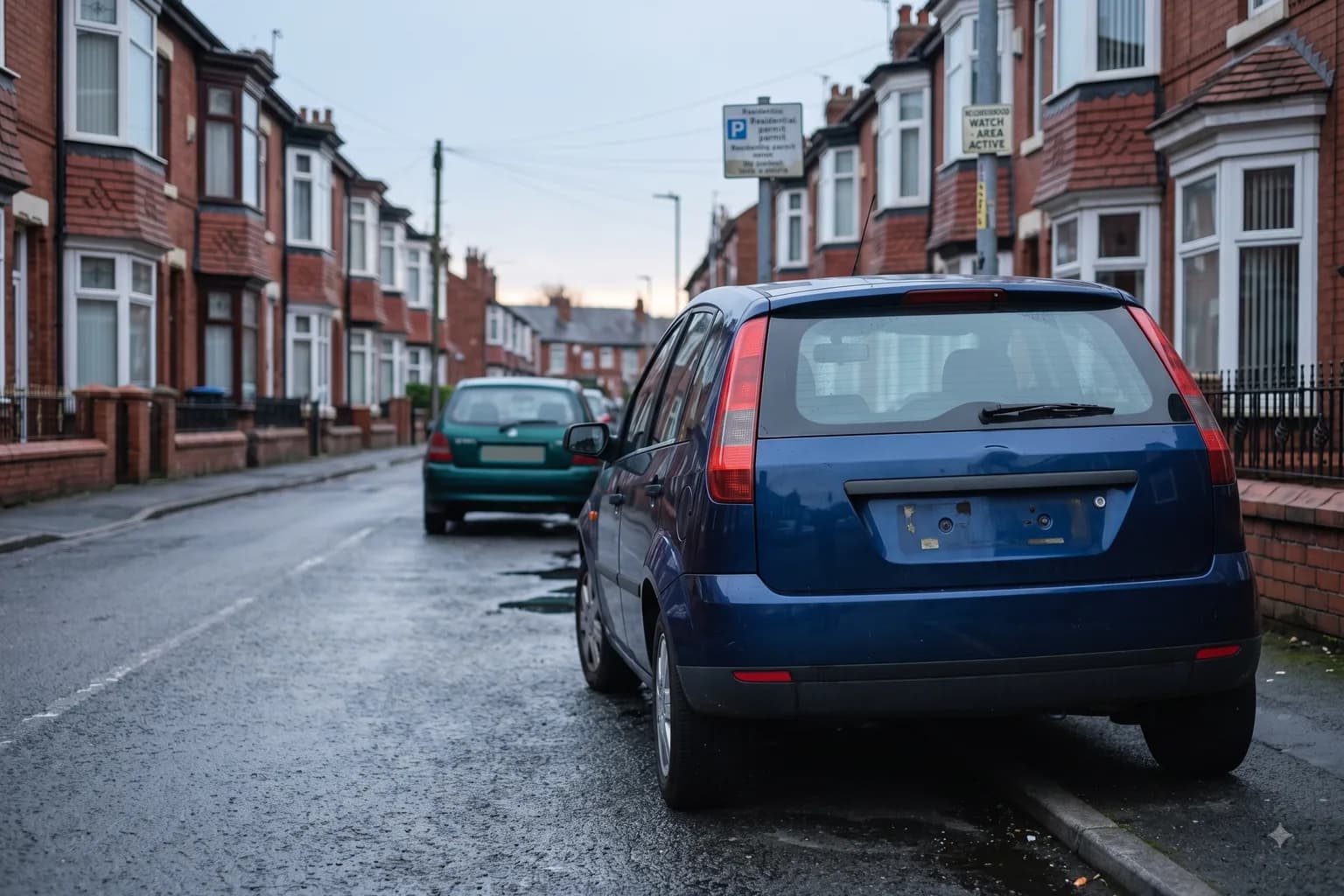
A cloned plate does not stay a paperwork problem for long. For fleet operators, it can quickly become fines, fuel theft disputes, congestion charge penalties, customer delivery delays and difficult conversations with insurers. That is why understanding how fleet managers reduce plate fraud matters - not as an admin exercise, but as a core part of protecting vehicle identity across the whole operation.
Plate fraud is often treated as a problem for the individual driver who suddenly receives a penalty notice for a journey they never made. In a fleet environment, the impact is wider. One duplicated registration can affect route planning, compliance records, driver confidence and the credibility of the business itself. The strongest operators do not wait for the first notice to arrive. They build controls around prevention, detection and rapid verification.
Why plate fraud hits fleets harder
A private motorist may only need to prove where one vehicle was on one date. A fleet manager may need to do that across vans, cars or lorries moving through multiple locations every day. The more vehicles on the road, the more attractive the fleet becomes to fraudsters looking for registrations that blend in and avoid attention.
Commercial vehicles are especially vulnerable because they are visible, predictable and often carry branding. A cloned plate taken from a legitimate fleet vehicle can be used on a similar make or model to reduce suspicion. If that false identity is then linked to crime, toll evasion or parking offences, the fleet operator is left proving a negative after the damage has started.
This is where many businesses lose time. They rely on paper trails and manual checks after the event, when what they really need is a system that treats number plates as security assets, not just registration identifiers.
How fleet managers reduce plate fraud in practice
The most effective approach starts with one principle: a registration mark should be managed with the same care as keys, driver credentials and telematics data. Once that mindset is in place, the process becomes clearer.
First, fleet managers tighten plate issuance and replacement controls. Fraud often starts when weak processes make it easier for unauthorised duplication to happen. If plates are ordered, replaced or fitted without a documented chain of approval, the business creates gaps that can be exploited. Strong operators limit who can request replacements, record why a plate was changed and verify every supplier involved in manufacture.
Second, they maintain an accurate, central vehicle identity record. That means every registration is tied to the correct vehicle details, assigned driver or depot, and supporting evidence such as delivery dates, service history and movement data. This matters because the first defence against cloning is the ability to confirm, quickly and confidently, whether a reported incident could have involved the real vehicle.
Third, they monitor for anomalies instead of waiting for complaints. If a fleet receives a penalty from a location the vehicle could not possibly have reached, that should trigger immediate scrutiny. The same applies when reports show duplicate sightings, conflicting timestamps or repeated notices linked to one registration. Early detection changes the outcome. It gives the operator a chance to contain the issue before fraud multiplies.
Registration control is the starting point
Plate fraud often looks like an external threat, but internal process weaknesses can make it easier. That is why disciplined registration control sits at the centre of prevention.
Fleet managers should know exactly when a plate was created, who authorised it and which approved manufacturer supplied it. Temporary fixes, informal replacements and undocumented changes create blind spots. If a depot manager swaps a damaged plate without central approval, the fleet may later struggle to prove whether the replacement was legitimate or whether an extra copy entered circulation.
For larger fleets, this is not just about policy. It is about using a platform that logs registration details in a secure, searchable format and keeps plate status visible. If a registration can be checked, verified and monitored from one place, response times improve and disputes become easier to resolve.
Detection needs to be active, not passive
One of the biggest mistakes in fleet security is assuming plate fraud will reveal itself through official notices alone. By then, the cloned identity may have been used several times.
Active detection gives fleet managers a better position. Instead of waiting weeks for correspondence, they can use monitoring and alerting tools to flag suspicious duplication activity as early as possible. That could include suspicious checks against a plate, irregular use patterns or reports that suggest the registration has appeared where it should not.
This is where proprietary tech has a clear advantage over manual oversight. A secure platform built around registration, detection and alerting can process signals faster than any spreadsheet or inbox review. For busy fleet teams, that speed matters. Fraud losses often increase because nobody sees the pattern early enough.
There is a trade-off, of course. More active monitoring requires better data discipline and clearer workflows. Alerts are only useful if the right people receive them and know what to do next. But for most commercial operators, that is a manageable operational change compared with the cost of cloned plate misuse.
Staff awareness closes a major gap
Technology is essential, but people still play a decisive role. Drivers, transport managers and depot teams are often the first to spot signs that something is wrong.
A driver who receives an unexpected query about vehicle location, or notices another vehicle carrying a matching registration, should know how to escalate it immediately. Likewise, back-office staff handling fines, toll disputes or customer complaints need a clear process for identifying whether the issue may point to cloning rather than ordinary admin error.
The best fleet managers keep that process simple. Staff do not need specialist fraud training. They need to know the warning signs, the reporting route and the urgency. Plate fraud becomes harder to contain when it sits in someone's inbox for three days because they assumed it was just another notice to challenge.
Verification speed can limit the damage
Once fraud is suspected, delay becomes the enemy. Fleet managers need to verify whether the vehicle was in the reported location, whether any duplication indicators exist and whether authorities or insurers need to be notified.
That verification process is easier when the fleet has centralised records and live visibility of plate status. If telematics, assignment records and registration data all point in one direction, the operator can respond with authority rather than speculation. This is especially useful when dealing with repeated false penalties or enforcement action. A fast, evidence-based response protects both the fleet and the driver attached to the vehicle.
For this reason, the strongest anti-fraud systems do more than store information. They make plate credentials searchable, support rapid checks and trigger instant alerts when suspicious activity appears. Protect A Plate is built around that exact security model, giving operators a practical way to move from passive replacement to proactive defence.
Supplier control matters more than many fleets realise
Fleet managers often focus on what happens after plates are fitted, but supply chain discipline is just as important. If a plate manufacturer, reseller or admin process lacks proper verification, fraudulent duplication becomes easier upstream.
Approved supply routes, auditable ordering and secure registration workflows reduce that exposure. This is particularly relevant for fleets with frequent vehicle changes, high turnover or decentralised procurement. The more hands involved, the greater the need for one controlled system.
It also helps with accountability. If a plate needs to be replaced because of damage or theft, there should be no ambiguity about who approved it, who supplied it and how the previous record was updated. That level of traceability is not excessive. It is proportionate to the risk.
A good anti-fraud strategy balances control and practicality
Not every fleet faces the same level of plate fraud risk. A national delivery operation with branded vans travelling daily through major cities has different exposure from a local business with a small pool of service vehicles. So the right response depends on fleet size, visibility, route profile and how quickly the business can verify vehicle movements.
Still, the core pattern remains the same. Fleet managers reduce plate fraud by controlling plate creation, securing registration records, monitoring for suspicious activity and acting fast when something does not add up. When those elements work together, cloning becomes harder to carry out and easier to detect.
That matters because number plate fraud is rarely just a number plate problem. It is a vehicle identity problem, and vehicle identity sits at the heart of compliance, cost control and operational trust. A fleet that protects that identity properly is not only reducing fraud exposure. It is putting itself in control when speed and proof matter most.
The best time to deal with plate fraud is before someone else starts using your registration as their cover.