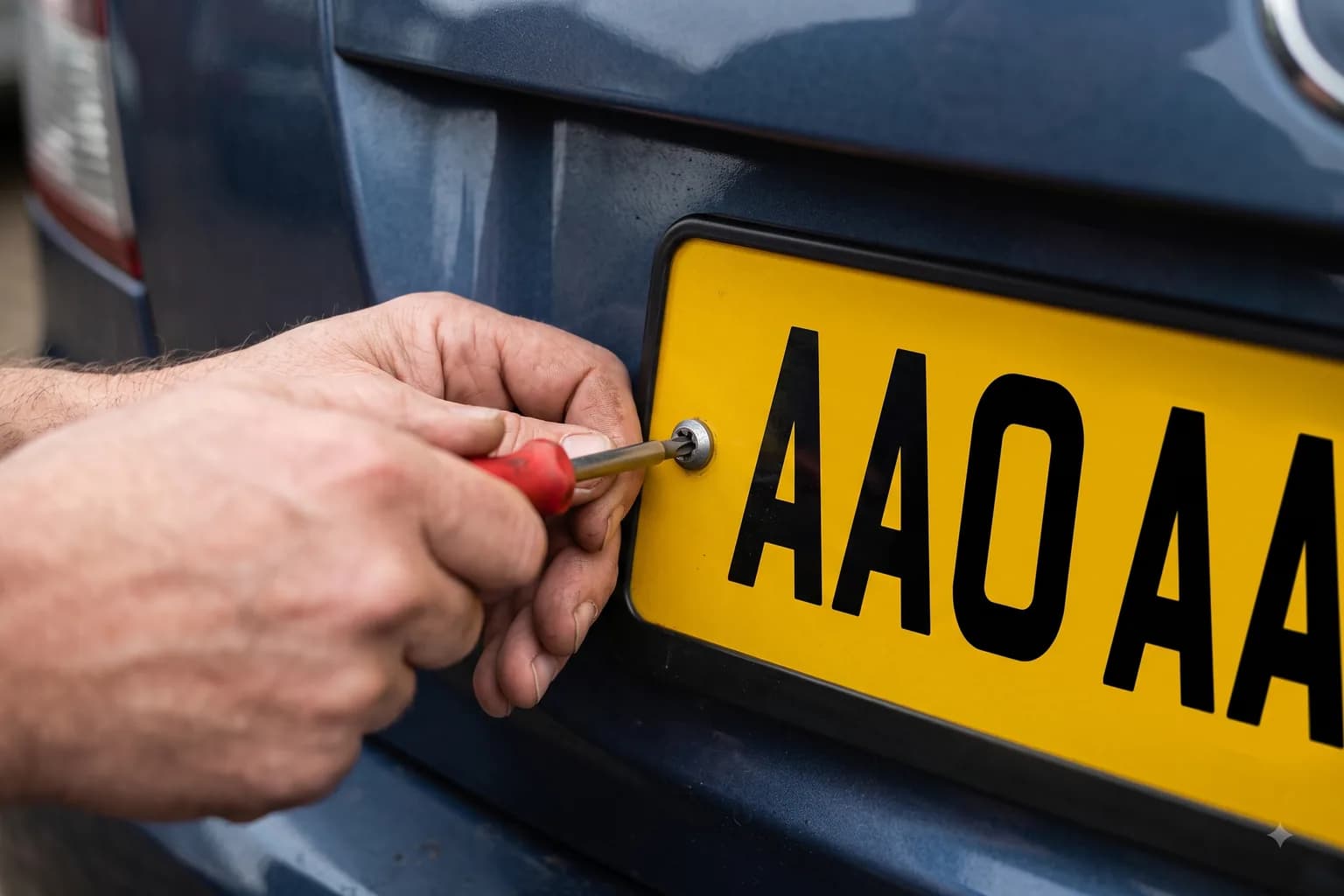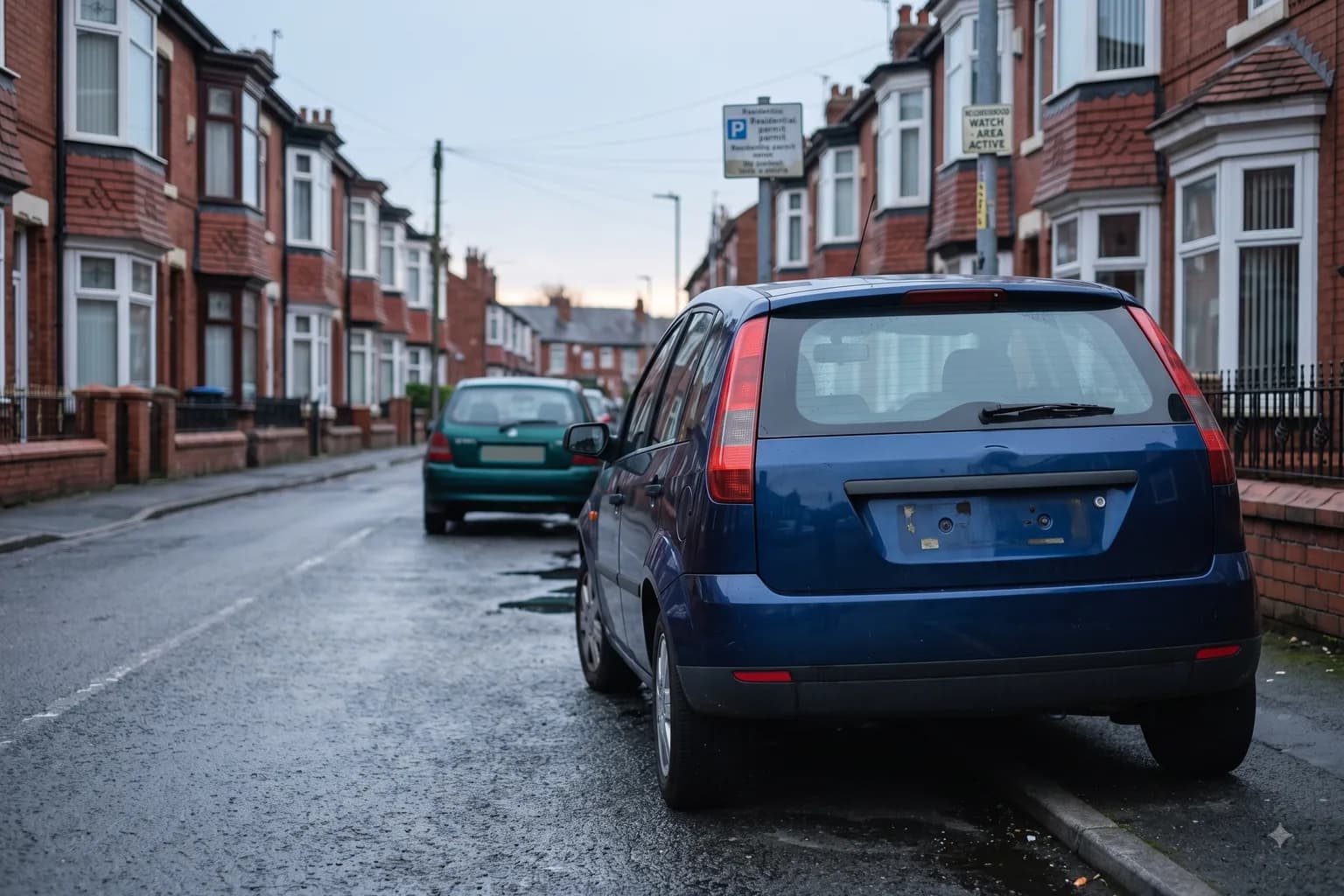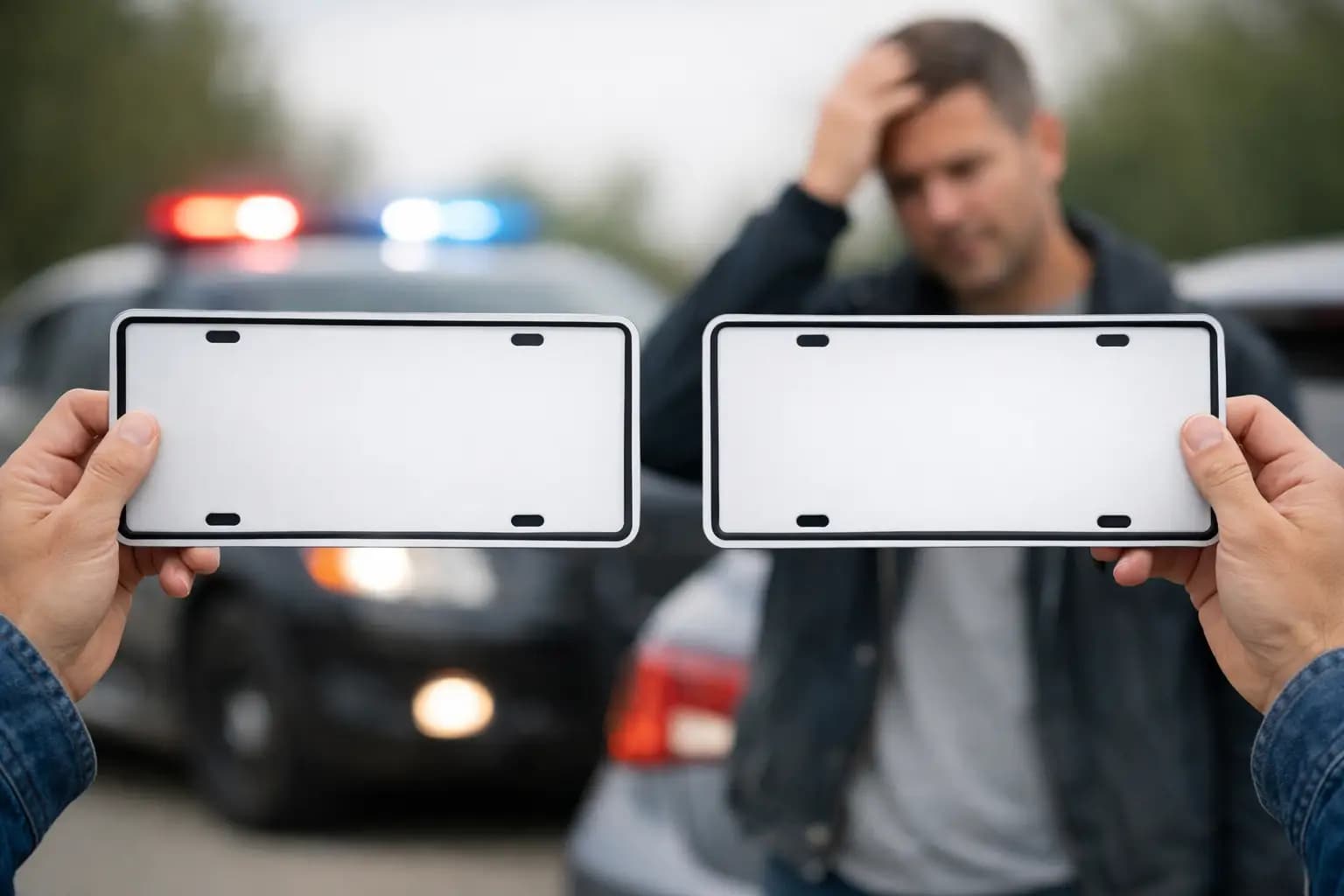
A penalty notice for a place you have never visited is often the moment the risk becomes real. For many motorists, how drivers respond to plate cloning starts with confusion, then quickly turns into a race to protect their identity, challenge false records and stop further misuse before costs escalate.
Why plate cloning triggers such a fast response
Plate cloning is not a minor administrative issue. When a criminal copies a registration and places it on another vehicle, the genuine keeper can be pulled into someone else’s offences, unpaid charges or suspicious activity. That can mean congestion charges, parking fines, speeding allegations or police attention attached to a vehicle that was not even there.
The response is fast because the damage spreads fast. A cloned plate can create financial pressure, legal stress and reputational concern in a matter of days. Private drivers worry about notices landing on the doormat. Fleet operators face something broader - multiple vehicles, multiple drivers and a higher operational risk if one registration is misused. In both cases, delay usually makes the problem harder to contain.
How drivers respond to plate cloning in practice
Most drivers move through the same sequence, even if they do not know the term at first. They recognise that something does not add up, they gather proof, they report it and then they look for a way to prevent it happening again.
The first response is usually disbelief. A clean driver receives a fine from another town. A van operator is accused of entering a zone the vehicle never approached. A motorist sees ANPR-related enforcement linked to the wrong make or model. At that point, the issue shifts from inconvenience to fraud.
The strongest responses are evidence-led. Drivers who act effectively tend to document where their vehicle actually was, keep copies of notices, check timestamps, preserve CCTV or dash cam footage where available, and confirm vehicle details such as make, model and colour against the offending vehicle. If the cloned vehicle differs from the genuine one, that difference matters.
They also contact the relevant authority quickly. That may include the police, the DVLA, the issuing authority for a penalty notice and, where relevant, insurers. Speed matters because cloned registrations can continue being used while the real keeper is still trying to explain the first offence.
The first 24 hours matter most
The early response often shapes the outcome. If a driver treats the first suspicious notice as a one-off error, more may follow. If they treat it as potential cloning from day one, they can start creating a record that supports future disputes.
That record should be consistent. Dates, locations, photographs of the genuine vehicle, proof of ownership and any evidence showing the vehicle elsewhere at the relevant time all help establish a pattern. For commercial operators, telematics data can be especially useful. For private owners, service receipts, workplace parking records or home CCTV may help demonstrate where the vehicle really was.
There is also a practical reason for urgency. Police and issuing bodies are more likely to act decisively when they can see a clear, organised account rather than fragmented messages sent over several weeks. A firm, factual approach usually works better than an emotional one, even though the situation is understandably stressful.
The emotional response is real, but control is possible
Drivers do not only respond with paperwork. They respond emotionally too. Anger is common, especially when innocent people are forced to spend time proving they did nothing wrong. Anxiety follows when notices keep arriving or when there is concern that police systems may flag the registration again.
That emotional pressure is one reason prevention matters. Once a plate has been cloned, the driver is no longer dealing with a theoretical risk. They are dealing with an identity attack tied to a visible, everyday asset. The car on the drive still looks the same, but the registration has effectively been duplicated into the criminal market.
The right response restores control. That means moving from passive reaction to active monitoring. It is not enough to argue with the latest notice if the plate remains exposed to further misuse. Drivers increasingly want detection, verification and immediate alerts rather than simply waiting for the next problem to arrive in the post.
What effective reporting looks like
Reporting is often where drivers either gain traction or lose time. A vague complaint that a fine must be wrong is weaker than a clear report stating that the registration may have been cloned, supported by evidence that the vehicle was elsewhere and that the offending vehicle may not match the legitimate one.
When reporting, details matter. Registration number, vehicle make and model, colour, distinguishing marks, date and time of alleged offence, and copies of all correspondence should be included. If a driver has already received multiple notices from different locations, that pattern can strengthen the case that cloning is involved rather than a single administrative mistake.
For businesses, internal escalation matters too. A fleet manager needs a controlled process so that drivers do not each respond differently. One poorly handled notice can create confusion across the wider record. A standard reporting route, backed by secure registration data and monitoring, gives operators a stronger defensive position.
Why some responses work better than others
Not every response is equally effective. Simply replacing the plate without addressing the fraud trail may offer cosmetic reassurance, but it does not always solve the underlying issue. Likewise, waiting for authorities to connect the dots on their own can leave a driver exposed for too long.
The better approach combines immediate reporting with ongoing status visibility. Drivers want to know if their registration has been flagged, checked or duplicated elsewhere. They want certainty, not guesswork. That is where security-led technology changes the response from reactive administration to active defence.
This is also where there is a clear trade-off. Some drivers prefer to do the minimum and deal with issues only if they arise. That may feel simpler in the short term, but it leaves a gap between incident and detection. Others choose monitored protection because the cost of a cloned plate is not only financial. It is time, disruption, legal exposure and the strain of repeated disputes.
Prevention is becoming part of the driver response
The market is shifting. More motorists now understand that how drivers respond to plate cloning is not only about what happens after fraud. It is also about what they put in place before fraud occurs.
Preventative protection changes the timeline. Instead of discovering cloning through enforcement letters, the driver has registration credentials securely logged, suspicious duplication activity monitored and alerts pushed quickly through email, SMS or app notification. That shortens response time and reduces the chance of prolonged misuse.
For plate manufacturers and supply chain partners, prevention also supports compliance and trust. If registration workflows are secure and traceable, unauthorised duplication becomes harder to hide. That matters commercially as well as legally.
Protect A Plate is built around that preventative model - registration, detection and alerting through proprietary tech and an encrypted global tracking database. For drivers, the benefit is simple: faster visibility, stronger evidence and more control when a registration is targeted.
What drivers should do if they suspect cloning
If a motorist suspects cloning, the response should be immediate and disciplined. Keep every notice. Photograph the genuine vehicle clearly, including the number plates and identifying features. Record where the vehicle was at the relevant time. Report the issue to the police and to any authority that issued the notice. If the vehicle is insured for business use or managed within a fleet, notify the relevant internal and insurance contacts as well.
Then look beyond the first incident. Ask the harder question: if this happened once, how will you know if it happens again? That is where many drivers change their thinking. They stop seeing plate security as an afterthought and start treating it as part of vehicle identity protection.
The longer-term shift in driver behaviour
As awareness grows, driver behaviour is becoming more security-conscious. People used to think of a number plate as a static legal requirement. Now more understand that it is also a target. That changes expectations. They want verification tools. They want searchable status. They want instant alerts. They want a system that helps them respond before false penalties become a stack of unresolved problems.
That shift is especially clear among professional drivers and fleet operators, where downtime, disputes and compliance failures carry immediate cost. But it matters just as much for the private motorist who cannot afford months of arguing over somebody else’s offences.
Plate cloning puts innocent drivers on the defensive, but it does not have to leave them powerless. The strongest response is quick, evidence-based and preventative - because when vehicle identity is protected early, the fraud has far less room to grow.