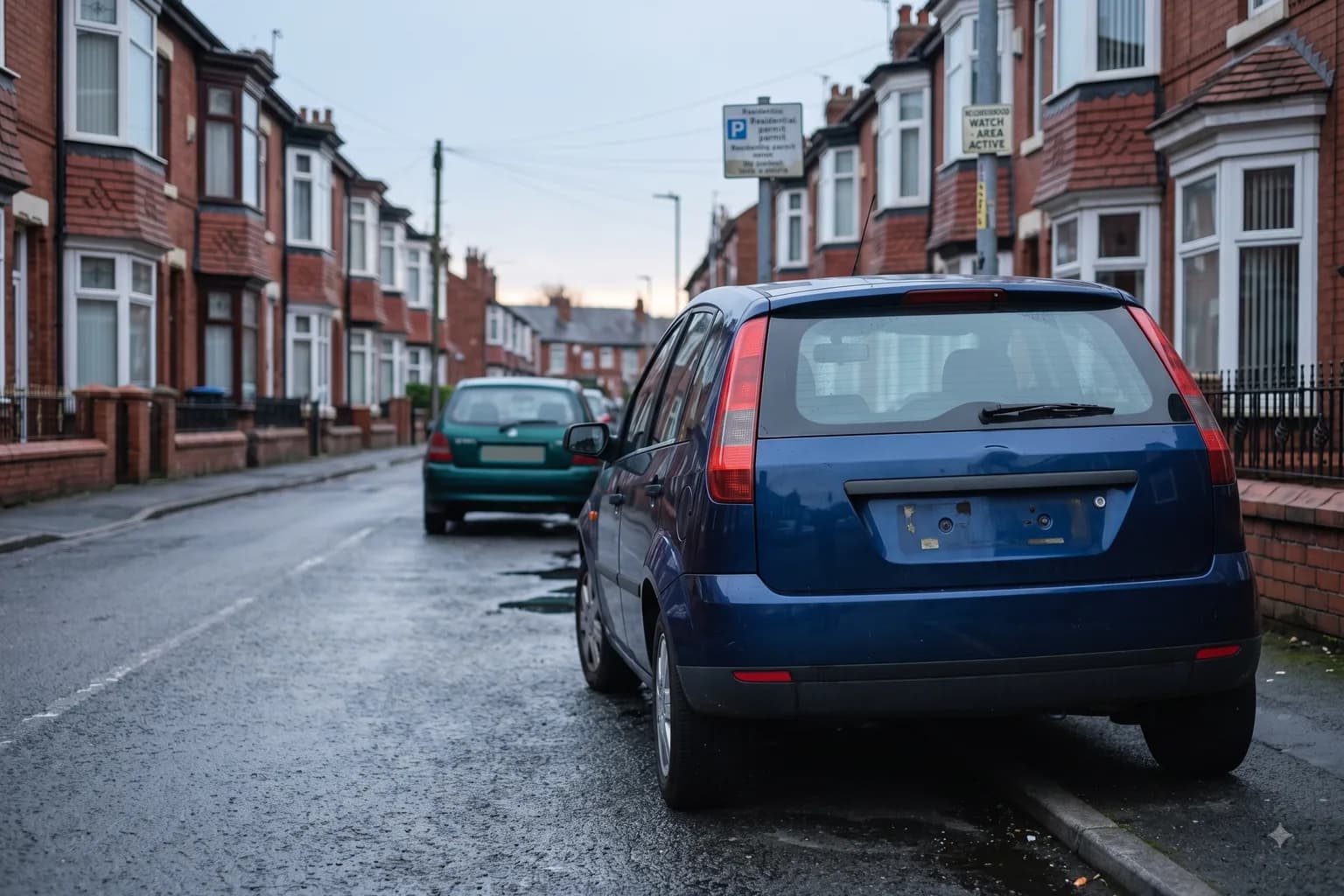
A cloned registration rarely announces itself. It shows up as a parking charge from a town you have never visited, a speeding notice for a vehicle you were not driving, or a police stop that turns a routine journey into a serious problem. This guide to registration fraud prevention is built for UK drivers, fleet operators and plate suppliers who want control before misuse turns into cost, disruption and reputational damage.
Registration fraud is not a minor administrative issue. When a plate is copied or duplicated without authority, the impact can spread quickly across enforcement, insurance, compliance and customer trust. For private motorists, that can mean time spent challenging fines and proving innocence. For fleets, it can mean operational delays, disputed liabilities and avoidable exposure across multiple vehicles. For plate manufacturers, weak controls can create a direct route to abuse.
The risk is simple. A criminal does not need your whole vehicle to misuse your identity. They only need your registration.
What registration fraud prevention actually means
At its core, registration fraud prevention is the process of stopping, identifying and responding to unauthorised use of a vehicle registration. In practical terms, that usually centres on plate cloning, suspicious duplication, false plate manufacture and misuse of legitimate vehicle details.
That matters because number plates function as visible vehicle identity. They connect a vehicle to enforcement systems, tolling, parking, insurance records and public reporting. If that identity is copied, the consequences often fall first on the legitimate keeper, not the offender.
Effective prevention is therefore not just about replacing a plate after something goes wrong. It is about building a chain of control around registration, detection and alerting. The earlier suspicious activity is identified, the less chance it has to escalate into fines, investigations or lost time.
Why reactive action is usually too late
Many drivers only think about plate fraud when an official notice lands on the doormat. By then, the problem is already active. The burden often shifts to the innocent owner to challenge evidence, gather records and explain why their vehicle could not have been involved.
That reactive model is slow and expensive. It can also be inconsistent. Some cases are straightforward to resolve, while others become drawn out because cloned vehicles are used repeatedly, across different regions, or in connection with more serious offending.
Prevention changes the balance. Instead of waiting for third parties to spot an issue, a monitored approach creates earlier visibility. That matters because speed is one of the few real advantages a legitimate keeper can have once a registration is compromised.
A practical guide to registration fraud prevention
A useful guide to registration fraud prevention has to start with one fact: there is no single fix. Physical plates matter, supplier controls matter, and monitoring matters. If one part is weak, the entire chain becomes easier to exploit.
For most vehicle owners, the first step is confirming that your plate has been issued and supplied through compliant channels. If a registration can be reproduced without strong checks, fraud prevention becomes far harder downstream. Plate suppliers also carry real responsibility here. Verification, record keeping and controlled manufacturing are not box-ticking exercises. They are part of the security perimeter.
The second step is visibility. A registration that sits unmonitored is harder to defend. If suspicious duplication activity is detected quickly, the keeper can act before the trail goes cold. Real-time alerts are particularly important for fleets, where a single cloned plate can affect drivers, routes, customer commitments and internal reporting.
The third step is having a clear response process. Detection on its own is not enough. You need to know what happens next, who is notified, what evidence is recorded and how status can be checked. Good fraud prevention is operational, not theoretical.
The main weak points criminals exploit
Most registration fraud relies on ordinary gaps rather than highly complex methods. One of the biggest is fragmented oversight. A keeper may assume their registration is safe because the vehicle is taxed, insured and legally owned. None of that prevents a third party from copying visible plate details.
Another weak point is inconsistent verification in the plate supply chain. If identity checks are poor or records are incomplete, unauthorised duplication becomes easier. That has implications beyond one driver. It affects confidence in the wider system.
There is also the issue of delayed detection. Without an active monitoring layer, suspicious use may only surface after multiple incidents. By then, the registration may already be linked to parking offences, fuel theft, toll evasion or wider criminal activity.
For businesses, scale adds complexity. A fleet manager cannot manually watch every registration all the time. What works for one private car does not necessarily work for fifty vans or a regional delivery operation. Prevention has to match the level of exposure.
What good prevention looks like in practice
Strong registration fraud prevention is built around three connected functions: secure registration, active detection and rapid alerting. If any one of those is missing, response becomes slower and less reliable.
Secure registration means vehicle and plate details are recorded accurately within a controlled system. That creates a verified baseline. If suspicious duplication appears later, it can be checked against known, trusted information rather than relying on fragmented paperwork.
Active detection means there is a mechanism to identify signals of misuse. That could involve suspicious duplication patterns, status checks or anomalies linked to a registration. The key point is that the system is looking for risk, not waiting for a fine to appear weeks later.
Rapid alerting means the right person is informed quickly, through channels they will actually see. Email alone may not be enough for every case. SMS and push notifications can reduce delay, especially where commercial vehicles are concerned and time matters.
This is where a specialist platform approach has a clear advantage. Protect A Plate is built around that exact sequence - registration, detection and alerting - using proprietary tech and an encrypted global tracking database to help vehicle owners and industry stakeholders act earlier.
Different users need different levels of control
A private motorist usually wants certainty, speed and simple evidence if something goes wrong. Their priority is avoiding fines, protecting their record and reducing stress. For them, clarity matters more than complexity.
A fleet operator needs something broader. They need visibility across multiple registrations, faster escalation and a reliable way to separate genuine vehicle activity from suspicious use. They may also need internal processes for drivers, operations teams and compliance staff. Prevention here is not just security. It is business continuity.
Plate manufacturers sit at another critical point. Their role in registration fraud prevention begins before a plate is ever fitted to a vehicle. Strong supplier workflows, controlled checks and traceable records reduce the chance of abuse entering the system in the first place. That is both a compliance issue and a trust issue.
What to do if you suspect your registration has been compromised
The first priority is to act quickly and preserve evidence. Keep copies of notices, timestamps, location details and any records showing where your vehicle actually was. If you operate a fleet, log vehicle assignments and driver information immediately so nothing is lost.
Next, verify the status of the registration through a trusted system. You need a clear view of what has been recorded and whether suspicious activity has already been flagged. Guesswork wastes time.
Then escalate through the proper channels without delay. The exact route depends on the case, but speed matters because repeat misuse can continue while queries are still being raised. The longer the window, the more difficult the clean-up can become.
This is also where monitored registration status becomes valuable. If you can show that a plate is under active protection and suspicious use has been identified early, your position is stronger than if you are starting from zero after the damage is done.
Prevention is stronger when it is visible
One trade-off worth acknowledging is that no prevention system can eliminate every risk entirely. A determined criminal may still attempt to copy a registration. The goal is not to promise the impossible. The goal is to make misuse harder, detection faster and response more controlled.
That is why visibility matters so much. Hidden problems grow. Monitored registrations create a stronger defensive position because suspicious activity is more likely to be spotted before it becomes a chain of penalties and disputes.
For UK drivers, fleets and suppliers, the question is not whether registration fraud exists. It is whether your current process would detect it early enough to limit the fallout. If the answer is uncertain, that uncertainty is the risk.
Your number plate is not just a legal requirement fixed to the front and rear of a vehicle. It is your vehicle’s public identity. Treat it like one, protect it with intent, and do not wait for someone else to tell you it has already been misused.