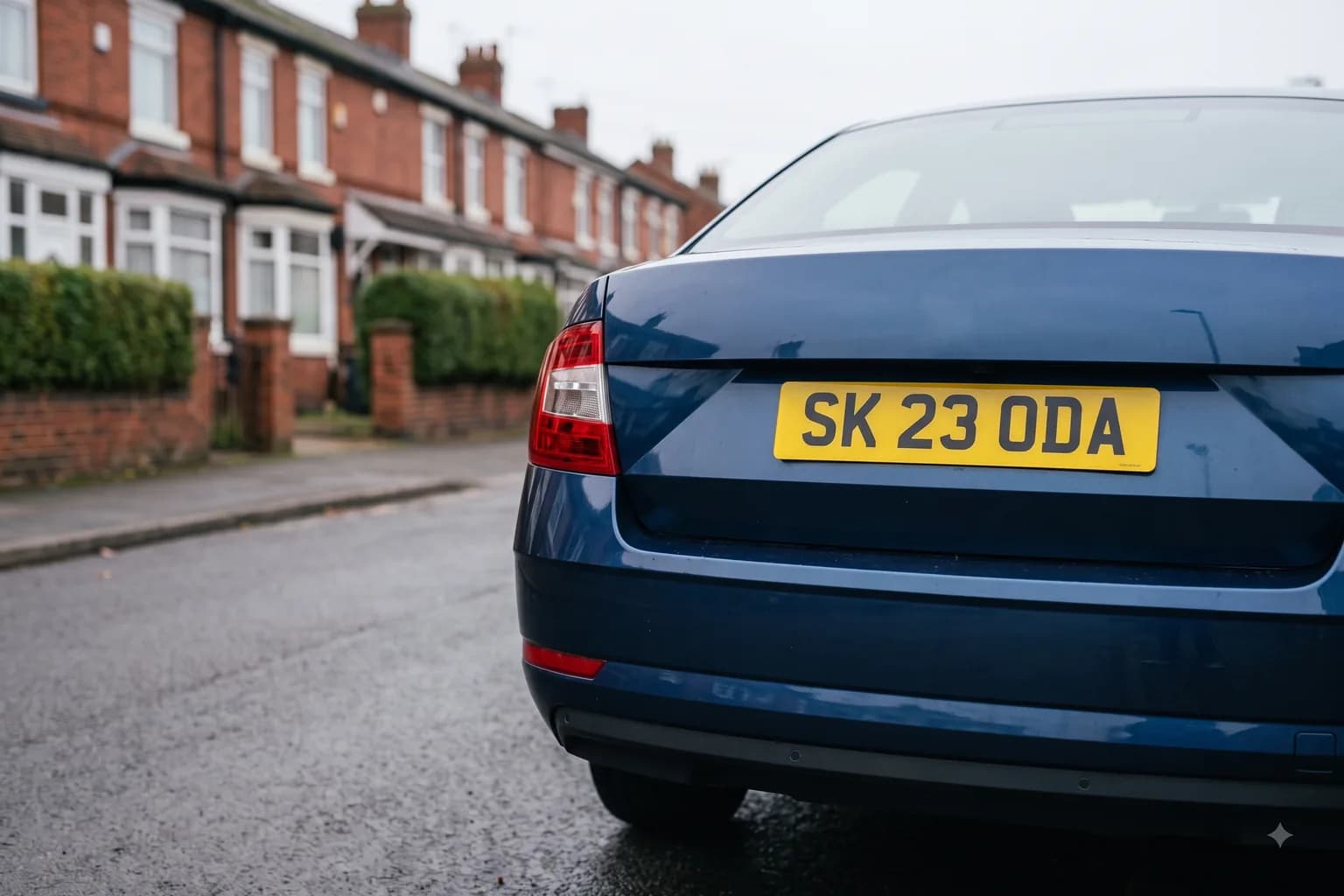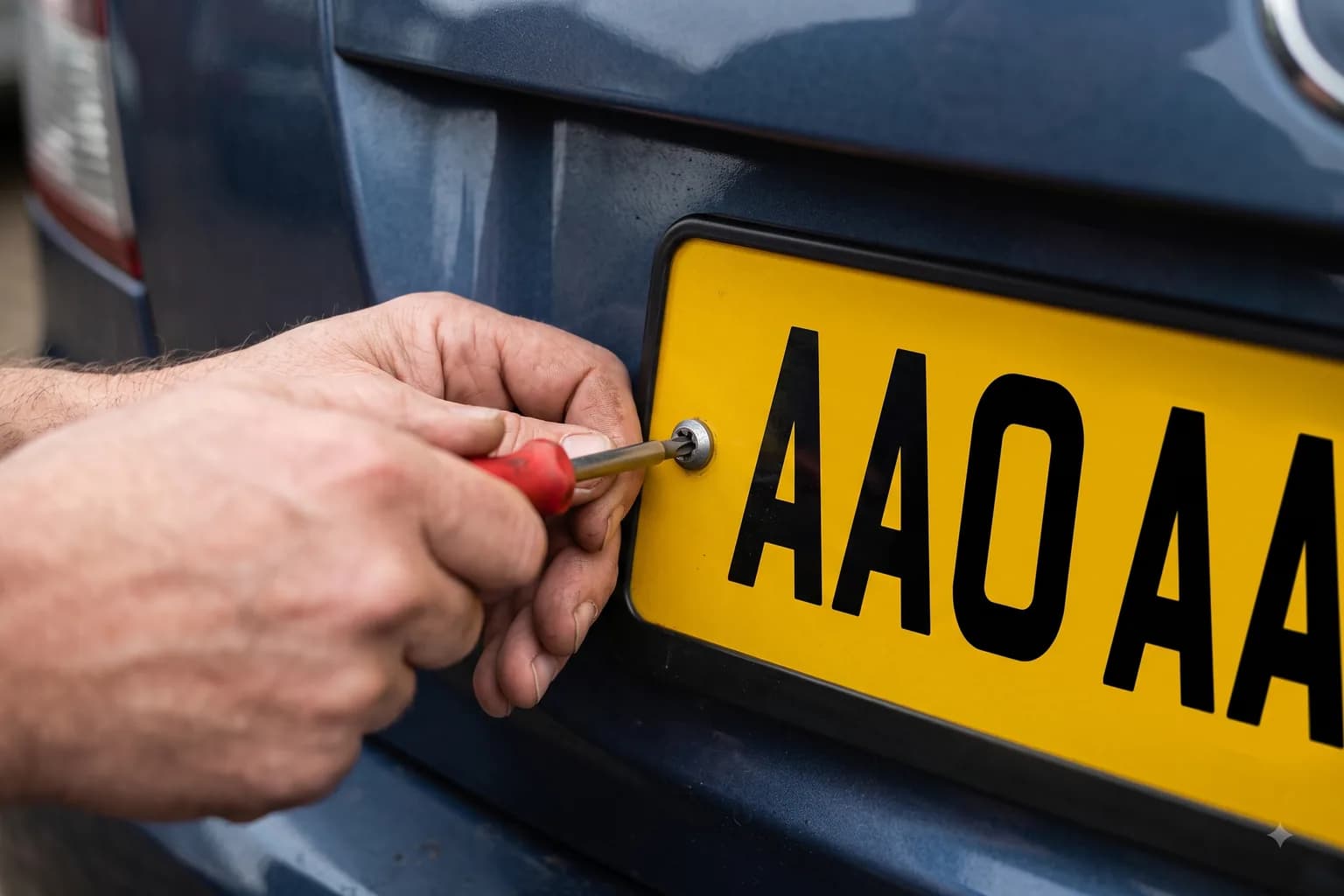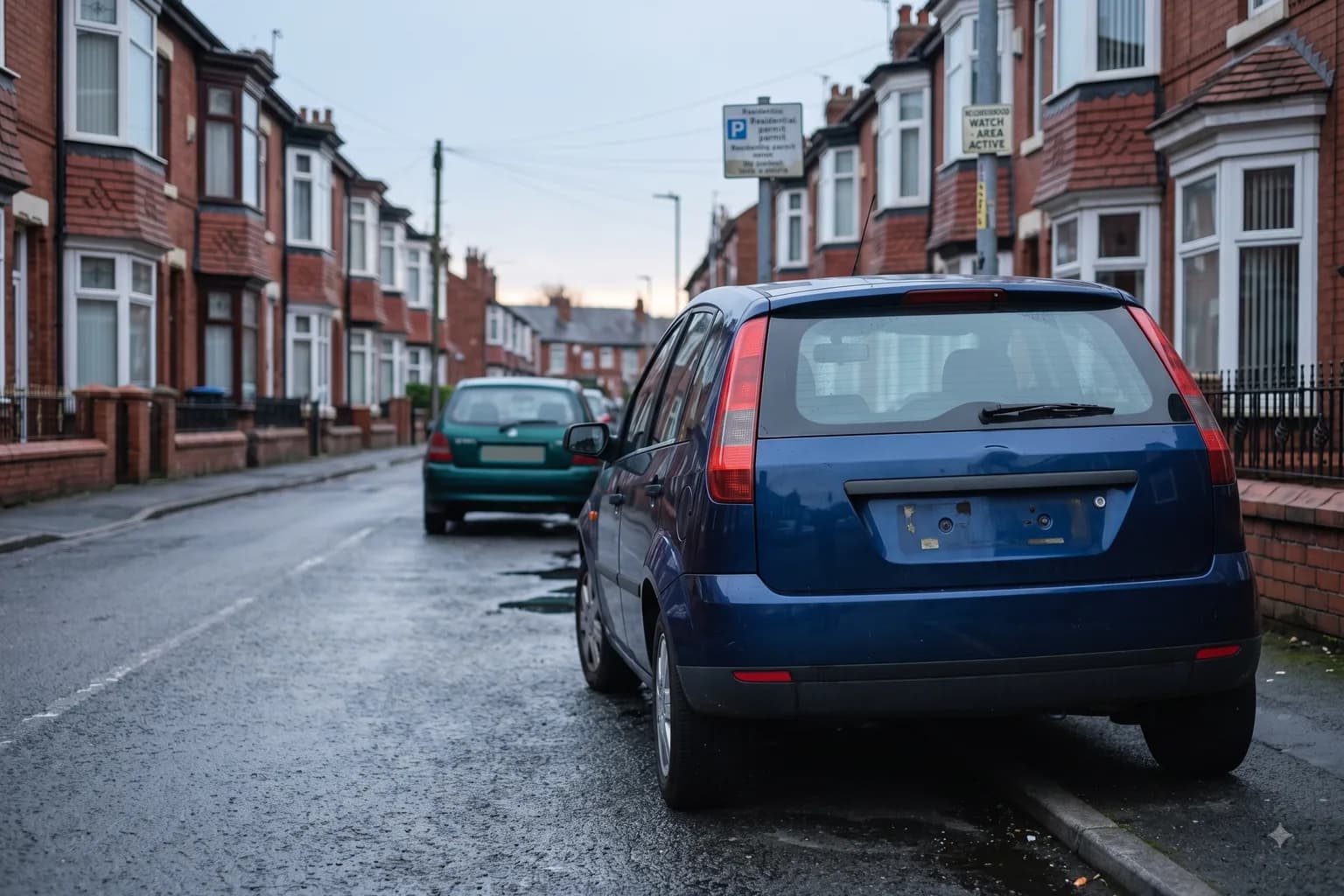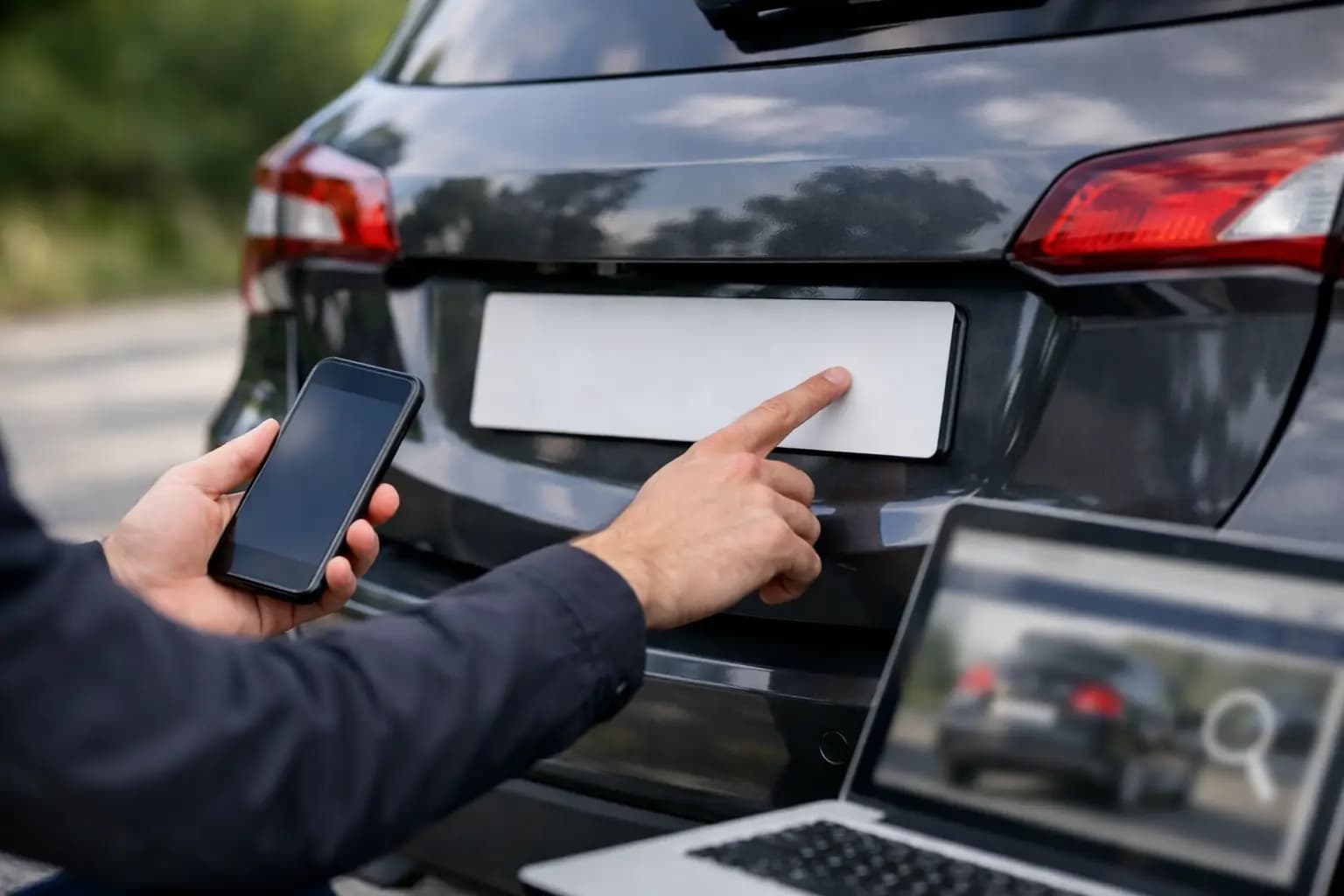
A parking notice arrives for a location you have never visited. A speeding allegation names a road your vehicle has not travelled. These are the moments when a guide to plate status checks becomes more than a precaution. It becomes a practical way to protect your vehicle identity before a cloned registration creates costly disruption.
Number plate cloning is not simply a nuisance. Criminals copy a legitimate registration and display it on another vehicle, often one that is similar in make, model or colour. Cameras, parking operators and witnesses may then associate the cloned vehicle’s activity with the innocent registered keeper. A fast, informed response can make a material difference.
What is a plate status check?
A plate status check is a verification process used to assess the current standing of a vehicle registration within an available database or security system. Depending on the service used, it may show whether a registration is recorded, protected, flagged for potential duplication or connected to a verification request.
For motorists, the purpose is clear: establish whether your plate identity is being monitored and whether there are signs that require attention. For plate manufacturers and fleet operators, status checks add an important control point before a plate is produced, supplied or accepted as genuine.
A status check is not a replacement for an investigation by the police, DVLA, an insurer or an enforcement authority. It cannot, by itself, prove who was driving another vehicle or resolve a penalty notice. What it can do is provide an early warning, a clear record and a route to verify credentials where suspicious activity emerges.
Why plate status checks matter
A registration mark is visible every time a vehicle is on the road, parked in public or captured by automatic number plate recognition cameras. That visibility makes it useful for legitimate identification, but it also makes it vulnerable to copying.
When a cloned plate is used, the consequences can extend far beyond the original offence. Drivers may receive parking charges, congestion-related penalties, speeding notices or correspondence linked to incidents they did not cause. Fleets can face additional administrative work across multiple vehicles, while plate suppliers risk being drawn into disputes over duplication and supply records.
The challenge is that a cloned plate may look convincing at a glance. A registration number is not proof that the vehicle displaying it is the correct vehicle. That is why an effective check considers more than the characters on the plate. It should support verification, create a traceable record and encourage swift action when details do not match.
What a plate status check can and cannot tell you
The value of any check depends on the information behind it. A vehicle status service may help confirm publicly available details such as a vehicle’s make, model, colour, MOT position or tax status. These details are useful for identifying obvious mismatches. If a notice shows your registration on a different vehicle type or colour, that is a strong indication that something is wrong.
A specialist plate-protection system adds a different layer. It can record ownership credentials in an encrypted tracking database, allow authorised parties to verify plate status and flag suspicious duplication activity. The strongest systems are designed around registration, detection, alerting and verification, rather than relying on a one-off lookup.
There are limits. A status check will not give the public unrestricted access to personal keeper data, nor should it. It may not identify every clone immediately, particularly if the copied plate has not yet triggered a report, verification request or relevant detection event. Treat a clear result as useful reassurance, not a reason to ignore evidence that does not add up.
How to carry out a useful plate status check
Start with the registration exactly as displayed on your vehicle. Check spacing and characters carefully. Similar characters such as O and 0, I and 1, or S and 5 can cause avoidable errors.
Next, compare the returned vehicle details with your car, van, motorcycle or lorry. Make, model and colour should align. If the information is inconsistent, take a screenshot or make a dated note of what you found. Do not alter, replace or dispose of your existing plates before you have recorded the evidence.
Then consider the type of check you need. A standard vehicle information check is useful when you want to confirm core vehicle details. A protected-plate status check is more relevant when you are concerned about unauthorised duplication or want to verify whether a registration is enrolled in a security database.
If you run a fleet, make status checks part of a controlled process rather than an occasional task. Keep an accurate register of vehicles, registration marks, plate issue dates and supplier records. A single inconsistency can be easier to investigate when your documentation is already organised.
Check the whole vehicle identity
Registration marks should always be assessed alongside the vehicle. If you receive an image with a penalty notice, compare visible features: the make, model, body style, colour, wheels, stickers, damage, roof rails and any distinctive marks. Even a poor-quality image may reveal a contradiction.
Keep photographs of your own vehicle from the front, rear and both sides. Update them after significant repairs or modifications. Dated images can help demonstrate what your vehicle looked like at a specific time if you need to challenge an allegation.
Warning signs that need immediate action
A status check is most valuable when it is followed by attention to the warning signs. Act quickly if you receive a notice for a time, place or journey that cannot be reconciled with your movements. The same applies if enforcement imagery shows a vehicle that is clearly not yours, or if vehicle details returned by a check do not match.
Other signs can be less obvious. You may receive correspondence from an unfamiliar enforcement body, be told your registration has been used in suspicious circumstances, or notice unexpected plate verification activity. For businesses, repeated queries about a particular registration or an unusual request for replacement plates should be reviewed carefully.
Do not assume a notice is automatically fraudulent just because you do not recognise it. Verify the sender through official contact details you find independently, preserve the correspondence and respond within the stated deadline. Ignoring a genuine notice can make a difficult situation harder to resolve.
What to do if you suspect plate cloning
Report suspected cloning to the police and obtain a crime reference number. This creates an official record that can support challenges to penalties and discussions with your insurer. Give clear facts: when you became aware of the issue, the notices received, the results of any checks, and why the vehicle in the evidence does not appear to be yours.
Contact the authority or operator that issued each notice. Explain that you believe your registration has been cloned, provide the crime reference number when available, and include supporting evidence such as photographs of your vehicle, copies of status results and proof of its location if relevant. Keep copies of every message and note the date, time and name of any person you speak to.
Tell your insurer, even where no claim is being made. Your policy provider may have specific guidance and should be aware of an identity misuse risk connected to your vehicle. If your vehicle is financed, leased or company-owned, notify the relevant keeper or fleet manager as well.
Avoid trying to confront a suspected clone yourself. A copied plate may be connected to criminal activity, and your priority should be preserving evidence and allowing the appropriate authorities to investigate.
Prevention is stronger than a late response
Replacing plates after fraud has already occurred may be necessary in some cases, but it does not address the wider problem of ongoing identity misuse. Prevention means creating a verified record before a criminal has an opportunity to exploit the registration.
Protect A Plate applies this security-led approach through an encrypted global tracking database, plate registration and instant alerts by email, SMS or push notification where suspicious activity requires attention. For drivers, that means greater visibility over a registration that would otherwise be easy to copy. For manufacturers, it supports a more accountable route for plate registration and verification.
The right level of protection depends on your risk. A private motorist may want confidence that their registration is recorded and monitored. A fleet operator may need centralised oversight, consistent evidence trails and rapid escalation across dozens or hundreds of vehicles. A plate manufacturer needs dependable checks that support legitimate supply without slowing compliant customers unnecessarily.
Make checking part of vehicle security
Plate status checks work best as a routine control, not a reaction reserved for the day a fine arrives. Keep vehicle records current, retain purchase and plate-supply documents, and check unfamiliar correspondence without delay. If your plate is registered with a monitoring service, make sure your contact details and alert preferences remain accurate.
Your number plate is a public identifier, but its security should not be left to chance. A verified record and a prompt response give you something far more useful than reassurance: evidence, visibility and control when your vehicle identity is challenged.