A penalty notice lands on your doormat for a place you have never visited. A congestion charge appears against your registration. Or a buyer wants proof that a plate is legitimate before committing. That is exactly where a guide to number plate verification becomes more than a useful check - it becomes a way to protect your vehicle identity before fraud spreads.
Number plate verification is the process of checking whether a registration plate is legitimate, correctly assigned and showing signs of misuse, duplication or cloning. For private motorists, it helps reduce the risk of fines, disputes and police attention caused by someone else using your identity on the road. For fleets and plate manufacturers, it adds control, traceability and a clearer response path when something does not look right.
What number plate verification actually means
In simple terms, verification is about confirming that a plate can be trusted. That may sound obvious, but there are different levels of trust involved.
At a basic level, you are checking whether the registration appears valid and matches the vehicle details you expect. At a higher level, you are looking for warning signs that the plate has been copied, duplicated without authority or linked to suspicious activity. Those are not the same thing. A plate can look perfectly normal and still be cloned.
This is where many drivers get caught out. They assume that if the physical plate looks legal, everything is fine. In reality, fraud happens in the gap between appearance and verification. A cloned plate is designed to pass a quick visual check.
A guide to number plate verification for UK drivers
If you want a useful guide to number plate verification, start with the question that matters most: what are you trying to prove?
If you are buying a vehicle, you need to know the plate matches the car and its records. If you are a current keeper, you need to know whether your registration is being misused elsewhere. If you manufacture or supply plates, you need confidence that the registration process is secure and traceable.
The method changes slightly depending on the situation, but the core principles stay the same. Verify the registration details, compare them against known records, assess physical legitimacy and monitor for signs of duplication. One check on its own is rarely enough when fraud is involved.
Check that the plate matches the vehicle
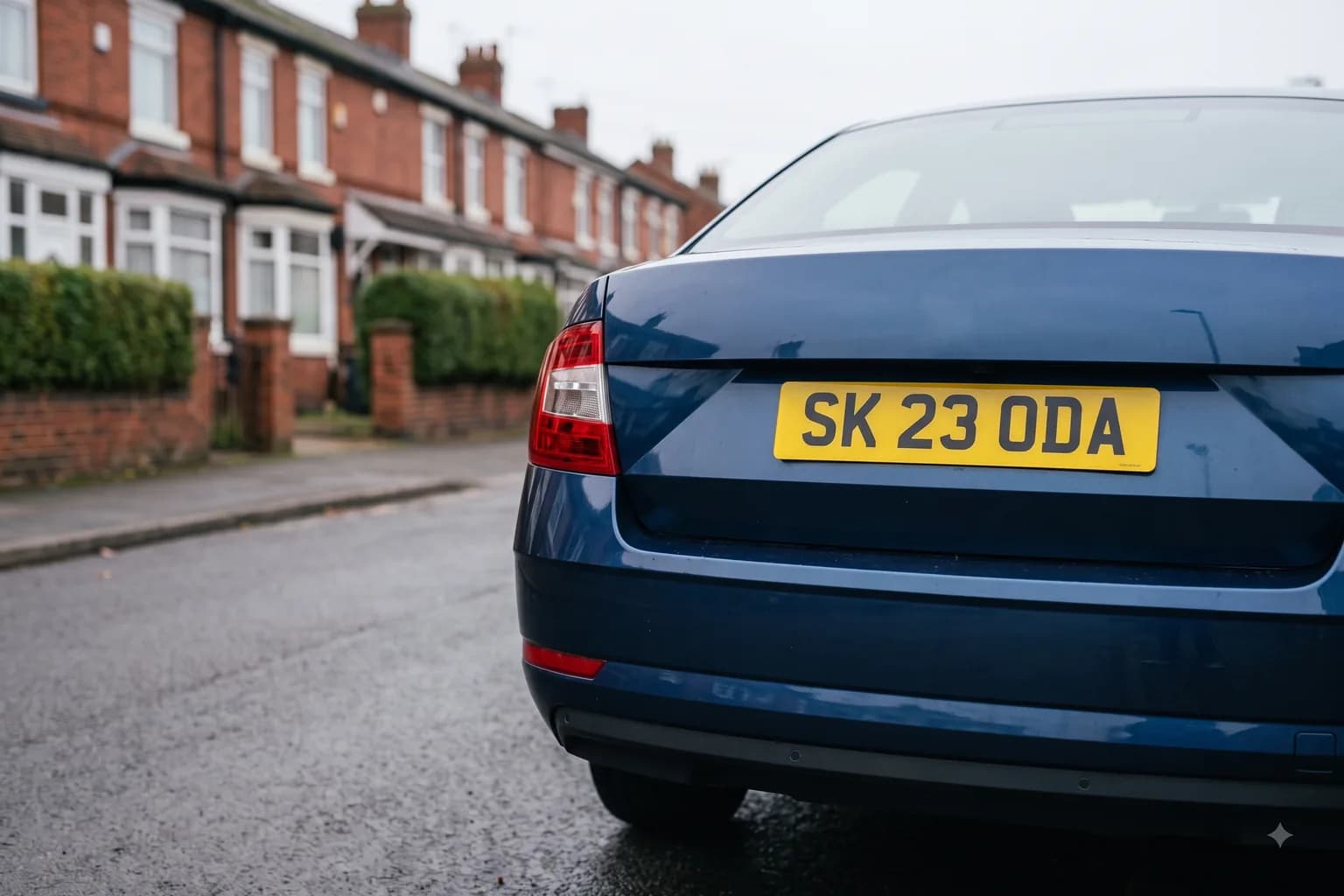
Start with the obvious but essential comparison. The registration should align with the make, model and appearance of the vehicle in front of you. If the plate belongs to a black hatchback but you are looking at a white van, you have a serious problem. Even less dramatic differences matter. A mismatch in vehicle age, fuel type or first registration date can indicate error or deception.
This step is especially important in private sales. A cloned vehicle may be dressed to resemble a legitimate one, but small inconsistencies often appear first. Buyers who rush this stage are usually the ones left sorting out the fallout.
Assess whether the physical plate appears compliant
A legal UK number plate should meet display rules on spacing, font, reflectivity and supplier markings. Plates that look poorly made, oddly spaced or unusually plain deserve closer attention. Non-compliance does not always mean cloning, but it often tells you the owner is not following proper processes.
There is a trade-off here. A compliant-looking plate can still be fraudulent, and a non-compliant one may simply be illegally customised rather than cloned. That is why physical inspection is only one part of verification, not the final answer.
Look for signs of duplication risk
This is the step many standard checks miss. Number plate fraud is not only about whether a plate exists. It is about whether the same identity is being used where it should not be.
Warning signs include unexplained fines, parking notices from unfamiliar locations, toll charges you did not incur or reports that your registration has been seen in more than one place at the same time. Fleets may notice inconsistent route data or vehicle sightings that do not match operational records. Plate suppliers may spot unusual repeat requests or registration patterns that do not fit legitimate orders.
These are verification signals. They tell you the issue may no longer be theoretical.
Why standard checks are not always enough
A lot of drivers assume they only need to verify a plate when buying a used car. That is too narrow. The bigger risk is often what happens after a legitimate plate has already been issued.
Cloning works because the original registration is real. Fraudsters choose plates that belong to similar vehicles, making detection harder and enforcement slower to correct. By the time the keeper realises something is wrong, notices may already be mounting.
That is why proactive verification matters. Instead of waiting for a problem to prove itself through fines or police contact, active monitoring helps identify suspicious duplication earlier. For security-conscious motorists, this is the difference between reacting to damage and reducing the chance of it escalating.
How verification works in practice
Effective verification usually follows three stages: registration, detection and alerting.
Registration creates a trusted record of the plate and its credentials. Detection scans for suspicious activity, duplication indicators or status conflicts. Alerting tells the relevant person quickly, so they can act while the issue is still containable.
This matters because speed changes outcomes. If you know early that your registration may be compromised, you can gather evidence, challenge incorrect notices and notify the right parties before the situation becomes messy. If you find out months later, the paper trail is longer and the disruption is worse.
For that reason, a security-led platform offers more value than a one-off manual check. A static verification point is useful, but it does not watch what happens next.
Number plate verification for fleets and trade users
For fleet operators, number plate verification is not just about one vehicle. It is about operational continuity. A cloned registration can trigger penalties, admin delays and unnecessary investigations across multiple departments. It can also affect driver confidence when incidents have to be disputed after the fact.
Verification at fleet level should focus on consistency and evidence. Registrations need to be tied to clear vehicle records, monitored for suspicious anomalies and backed by rapid alerts. The larger the fleet, the less practical it is to rely on ad hoc checks.
For plate manufacturers and suppliers, the priority is different but just as urgent. Verification supports secure issue workflows, reduces the chance of unauthorised duplication and helps demonstrate compliance. In a market where trust matters, traceability is a commercial advantage as well as a security measure.
What to do if verification raises a red flag
If a number plate verification check suggests cloning or misuse, act quickly and keep records. Save copies of notices, dates, times, location evidence and any proof that your vehicle was elsewhere. The strongest disputes are built on a clear timeline.
You should also review how widely your plate details have been exposed and whether there is an ongoing pattern rather than a one-off event. Sometimes the issue is isolated. Sometimes it points to a broader duplication problem that needs active monitoring, not just a single challenge letter.
This is where specialist systems come into their own. A platform built around encrypted registration, detection and instant alerting gives drivers and businesses a clearer control point. Protect A Plate is built around exactly that principle - preventing plate fraud through verified registration data, suspicious activity detection and rapid notification.
A smarter way to think about plate security
The real value of number plate verification is not ticking a box. It is creating confidence that your vehicle identity is under control.
That means treating verification as part of ongoing vehicle security, not a one-time admin task. It also means recognising that not every risk looks dramatic at first. A single unexplained notice can be the first sign that your registration has been copied and is already being used to create cost and liability in your name.
Drivers who take plate security seriously are not overreacting. They are reducing exposure to a form of fraud that is easy to underestimate and costly to ignore.
If you want peace of mind, verify early, monitor continuously and respond fast when something does not add up. That approach will always beat waiting for proof to arrive in the post.