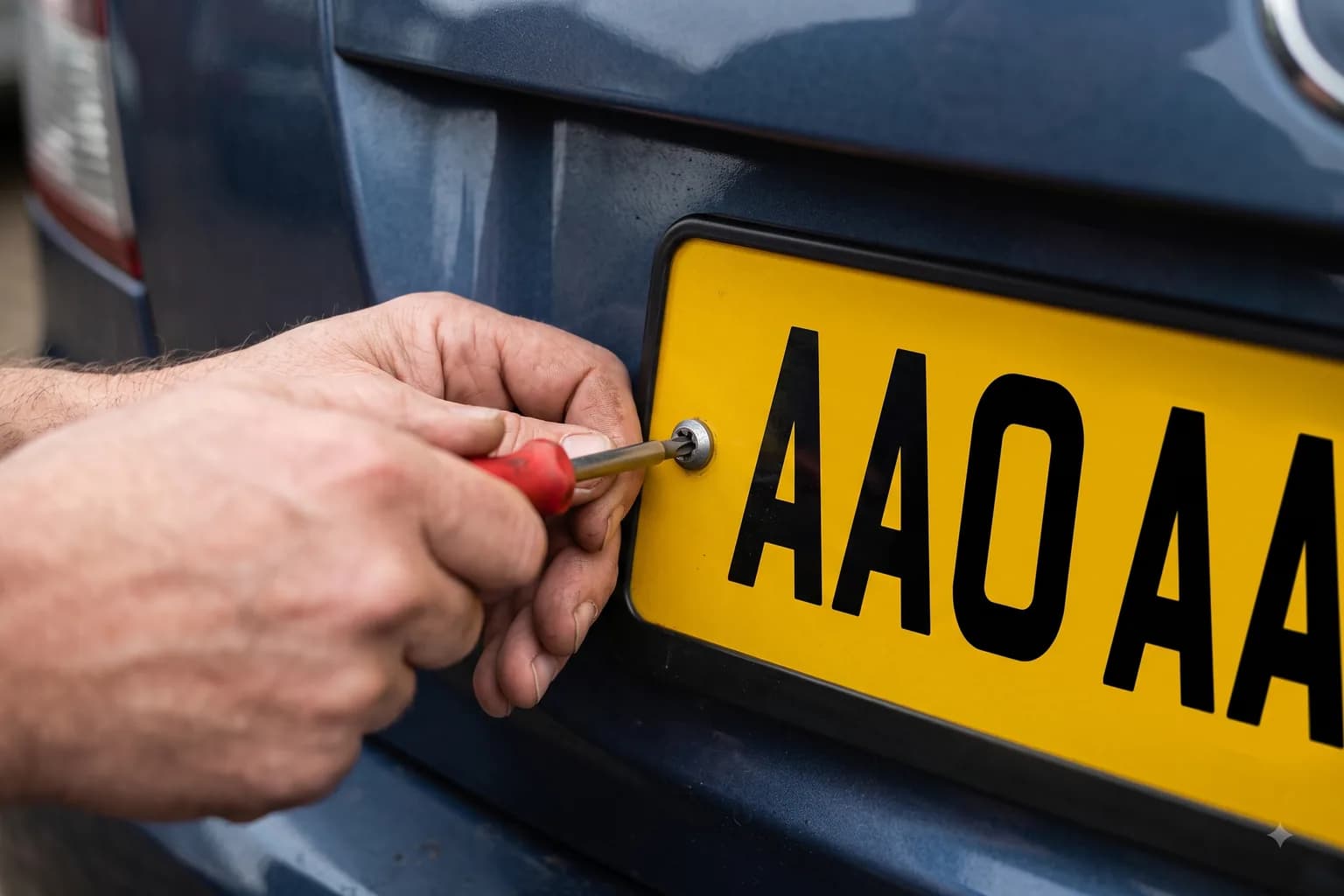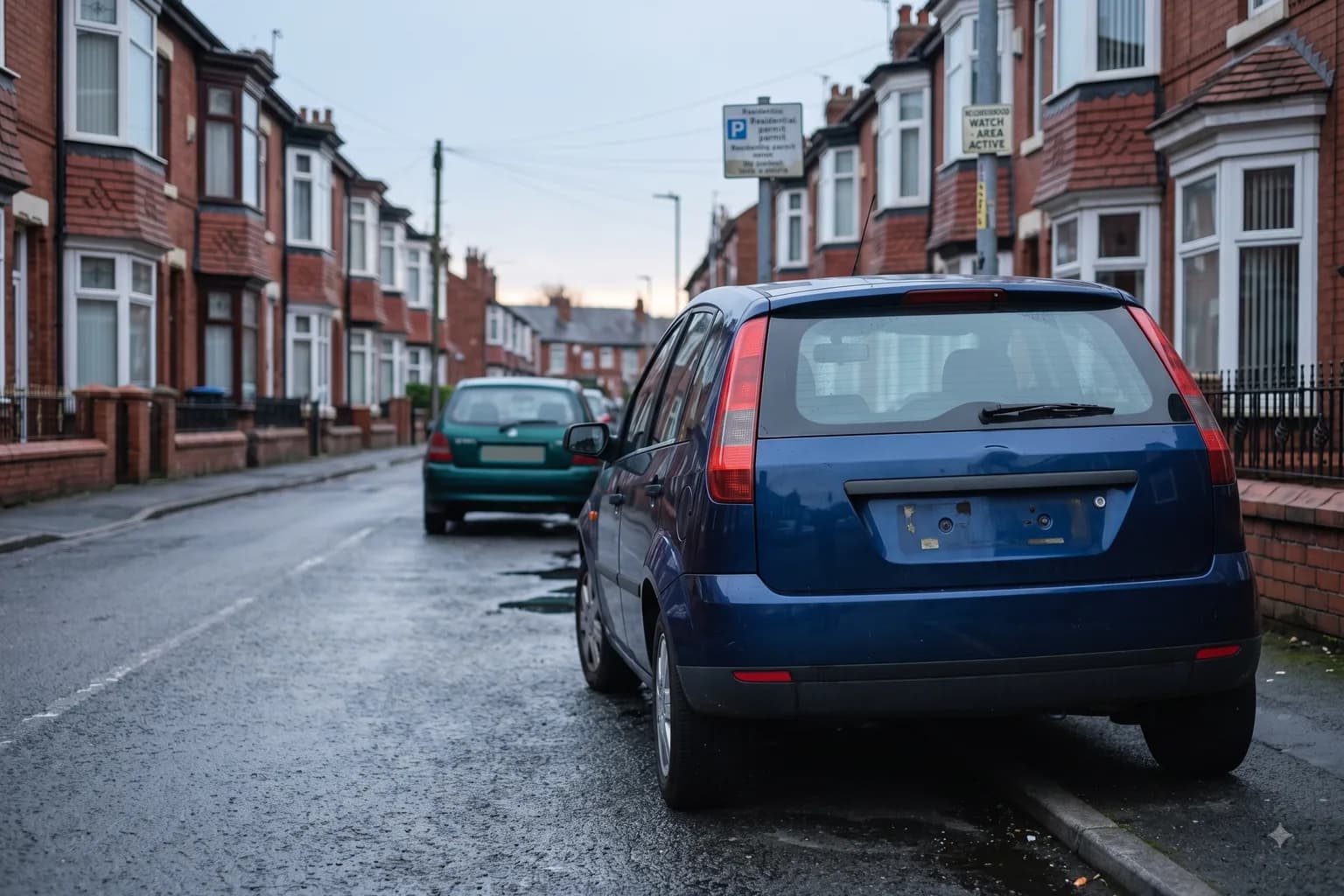
A cloned plate on one vehicle is bad enough. Across a fleet, it can become an operational problem fast - penalty notices landing at the wrong depot, drivers questioned over journeys they never made, and admin teams wasting hours proving a vehicle was elsewhere. That is why fleet number plate protection is no longer a niche security measure. For operators managing vans, cars or lorries, it is becoming a practical layer of business protection.
Number plate cloning is not just an inconvenience. It can trigger financial loss, compliance headaches and reputational damage. If your registrations are copied and used on another vehicle, your business may be left dealing with the fallout before anyone realises fraud has taken place. The longer it goes undetected, the more disruptive it becomes.
Why fleet number plate protection matters now
Fleet vehicles are visible, mobile and easy to observe. Their registrations appear in public car parks, service areas, loading bays and roadside cameras every day. That exposure makes them attractive targets for criminals looking to duplicate a legitimate plate and place it on another vehicle.
For a fleet operator, the risk is multiplied by scale. One cloned registration can create a steady stream of charges, notices and enforcement issues. Several cloned registrations can overwhelm internal processes. Admin teams have to check telematics, route records, delivery logs and driver schedules just to challenge events that should never have been linked to the business in the first place.
There is also a timing problem. Many operators only discover cloning after a fine arrives or a driver is stopped. By then, the misuse has already happened. A passive approach leaves the business reacting to fraud rather than controlling it.
That is the core case for protection. Effective fleet number plate protection is about early detection, verification and immediate alerting. It gives operators a way to identify suspicious duplication activity before the damage spreads.
The real cost of cloned fleet plates
The first cost is usually administrative, but that is rarely the only one. Teams lose time contesting penalties and tracing vehicle movements. Drivers may need to give statements. Managers may have to prove a vehicle was on site, on another route or off the road entirely.
Then there is direct financial exposure. Congestion charges, parking notices, toll charges and other penalties can mount quickly. Even where they are successfully challenged, the business still pays in labour, delay and disruption.
Some risks are harder to measure but matter just as much. If a cloned plate is linked to dangerous driving or criminal activity, the registration attached to your fleet can come under scrutiny. Customers, insurers and enforcement bodies do not see the internal admin burden behind that. They see your plate details connected to an incident.
That is why replacement alone is not enough. Swapping a plate after fraud has taken place may solve one immediate problem, but it does not address the wider issue of monitoring and ongoing exposure.
What good fleet number plate protection looks like
A serious protection system should do more than hold registration details on file. It should give fleet operators active visibility and a clear response path.
At minimum, that means secure plate registration, a reliable method of checking status, and instant alerts when suspicious duplication or misuse is detected. The stronger systems are built around encrypted databases and verification tools that help establish whether a plate is genuine, monitored or potentially compromised.
This matters because fleets need speed. If a suspicious event appears, the operator needs to know quickly and act with confidence. Waiting for a paper trail to build is not a strategy.
A proper system also needs to work across multiple users. Fleet managers, transport teams and administrators all need access to the right information without creating confusion. For larger operations, plate security is not a single-person task. It sits across compliance, operations and risk management.
Registration, detection and alerting
The most effective approach is simple in structure even if the technology behind it is advanced. First, vehicle plate credentials are registered securely. That creates a recognised record tied to the legitimate user or operator.
Next comes detection. This is where proprietary tech and an encrypted tracking database become valuable. The aim is to identify suspicious duplication patterns, status conflicts or plate activity that does not align with the authorised vehicle record.
Then comes alerting. If a risk is identified, the fleet needs instant notification by email, SMS or push alert so the issue can be reviewed without delay. This step is critical. Detection without fast communication still leaves a gap.
That process changes the operating model from reactive to preventative. Instead of waiting for third-party evidence of misuse, the business gains a direct warning layer built around its own registrations.
Fleet number plate protection for different types of operator
Not every fleet faces the same threat profile. A local service business with ten vans will have different exposure from a national logistics operator running hundreds of vehicles across multiple regions. The principle is the same, but the response may differ.
Smaller fleets often need clarity and speed. They may not have a dedicated compliance function, so the protection system needs to be easy to manage and quick to interpret. If an alert arrives, the next step should be obvious.
Larger fleets need scale, consistency and central oversight. They are more likely to benefit from structured registration workflows, user permissions and tools that support multiple internal stakeholders. They may also need to coordinate with plate manufacturers or approved suppliers to maintain a secure chain from creation to deployment.
That supply chain point matters more than many operators realise. If registration and plate production are disconnected, opportunities for error and misuse increase. A joined-up security process gives fleets more control.
Where standard fleet controls fall short
Most fleets already use telematics, vehicle tracking and compliance systems. These are valuable tools, but they do not necessarily protect the identity of the number plate itself.
Telematics can help prove where a legitimate vehicle was. It cannot stop someone else displaying the same registration elsewhere. Camera evidence may confirm an incident, but often only after the event. Insurance may help with losses, but it does not prevent disruption.
That is the gap number plate security fills. It focuses on the registration as an asset with its own fraud risk. For operators that depend on trusted vehicle identity, that is a distinct and necessary layer.
Choosing a fleet number plate protection system
The right system should be judged on control, speed and credibility. Can it securely register plate credentials? Can it detect suspicious activity early? Can it alert the right people immediately? Can users verify plate status quickly when a question arises?
It is also worth asking how the platform supports both day-to-day use and exception handling. A system may look strong on paper but create friction if alerts are unclear or records are hard to access. In practice, the best protection is the one your team can use confidently under pressure.
For UK operators, compliance and trust matter as well. Plate data should sit within a secure framework, and the provider should clearly understand the risks around cloning, duplication and enforcement. This is not a generic fleet software issue. It is a specialist security problem.
That is where a focused provider such as Protect A Plate can make a difference, combining registration, detection, alerting and verification within one security-led platform.
Prevention is cheaper than dispute
Many businesses only invest after a problem has already cost them time and money. That is understandable, but it is rarely efficient. Once cloned plate activity has triggered notices, investigations or customer concern, the business is already on the back foot.
Prevention is not about assuming the worst. It is about recognising that number plate identity has value and should be defended accordingly. Fleets protect fuel cards, keys, depots and digital systems. Registrations deserve the same mindset.
The strongest operators treat plate security as part of operational resilience. They know a registration is more than a legal requirement on the front and rear of a vehicle. It is a traceable identifier tied to enforcement, trust and accountability.
If your fleet cannot quickly detect misuse of that identifier, you are relying on someone else to spot the problem first. In most cases, that means the warning arrives only after the damage has started. A better position is to know sooner, respond faster and keep control where it belongs - with the operator.