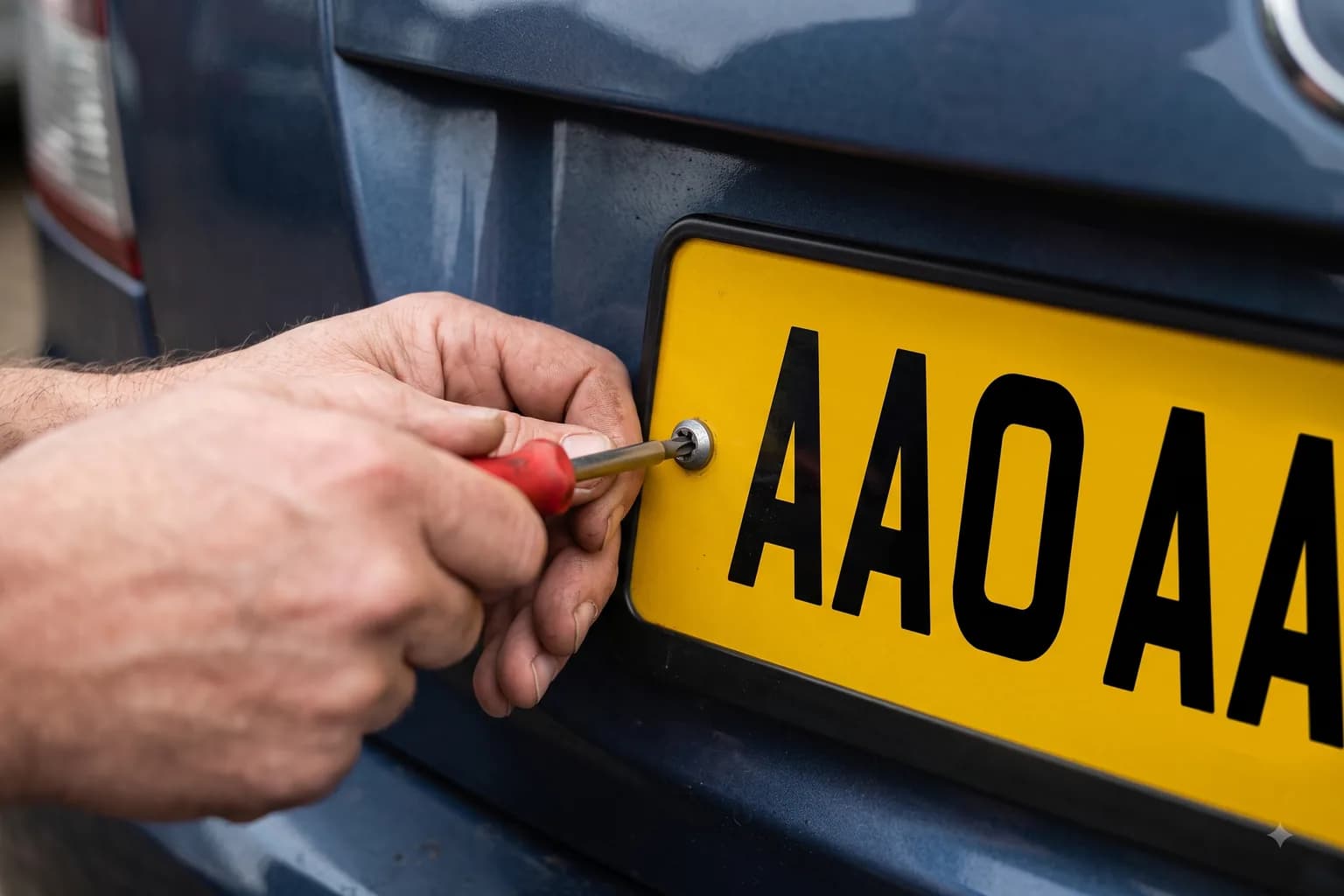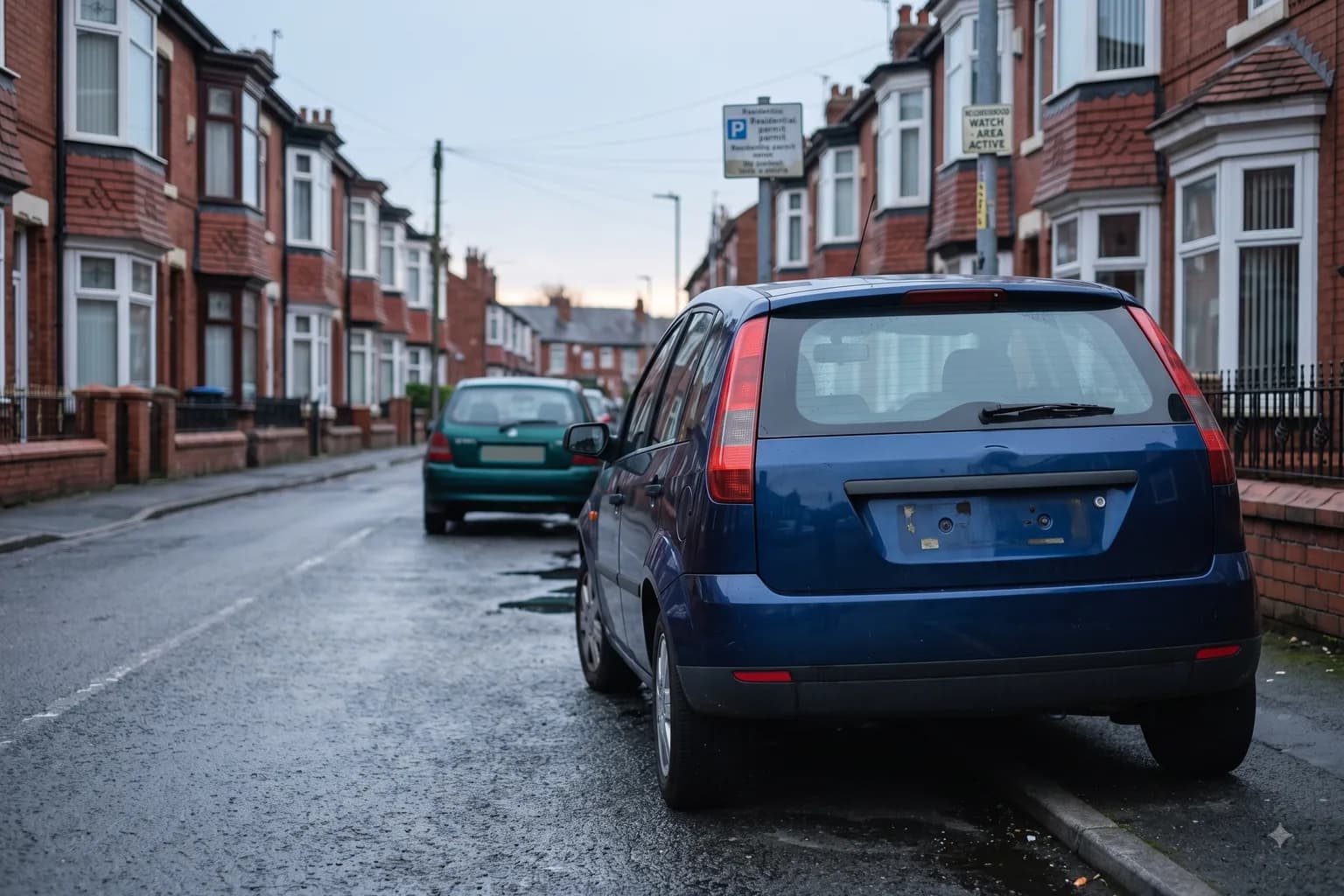
A penalty notice lands on your desk for a vehicle that was never near the location. Then another follows. For fleet operators, that is usually the moment registration fraud stops feeling like a remote risk and starts draining time, money and confidence. This fleet guide to registration monitoring sets out what effective oversight actually looks like when your vehicles, drivers and business reputation are on the line.
Why fleet guide to registration monitoring matters now
Fleet registration monitoring is no longer a nice extra for security-conscious operators. It is a practical control for a very specific threat: number plate cloning and unauthorised duplication. When a registration is copied, the damage rarely stays contained to one incident. It can trigger parking charges, toll demands, speeding notices, compliance queries and difficult conversations with drivers who know they were elsewhere.
For a private driver, that is stressful enough. For a fleet, the problem scales fast. One cloned plate can create admin pressure across transport, finance and compliance teams. If multiple vehicles are affected, the knock-on effect becomes operational. Vehicles may be questioned, journeys reviewed and internal records pulled apart just to prove where an asset really was.
That is why registration monitoring needs to be treated as part of fleet security, not just vehicle admin. You are protecting automotive identity. The registration mark is how enforcement systems, the public and third parties recognise your vehicle. If that identity is copied, your fleet can be exposed long before anyone realises fraud is in play.
What registration monitoring should actually cover
A useful fleet guide to registration monitoring starts with one simple point: monitoring is not the same as keeping a spreadsheet of number plates. Basic record-keeping helps with operations, but it does not actively detect misuse.
Effective monitoring means every registration is tied to verified fleet records and observed for suspicious activity. That includes tracking where and when a plate appears to have been used, checking whether activity aligns with known vehicle movements and flagging patterns that suggest duplication rather than normal travel.
In practice, that usually rests on three connected controls: registration, detection and alerting. First, each vehicle plate is securely registered against trusted data. Next, suspected anomalies are identified through a monitoring system built to spot duplication signals. Finally, the right people are alerted quickly enough to investigate before the issue spirals.
The difference is speed. If a clone is identified early, you can protect the legitimate vehicle, brief the driver, preserve records and challenge false claims with confidence. If detection comes late, you are often working backwards through days or weeks of disputed activity.
The risks are financial, legal and operational
Most fleet teams first think about direct costs. Those are real enough. Admin time, disputed fines, delayed payments, vehicle downtime and insurer conversations all add up. But the wider risk is often underestimated.
A cloned registration can interfere with compliance evidence. If your fleet operates under tight delivery schedules, public contracts or regulated service standards, even a small identity dispute can become awkward. Clients expect control. Regulators expect accurate records. Drivers expect support when they are wrongly accused of offences they did not commit.
There is also a reputational issue. A registration seen repeatedly in the wrong context can create the impression that your fleet is less controlled than it really is. That matters if your vehicles are branded, operate locally or represent a larger business in public view.
This is where a monitoring system earns its place. It gives fleet operators a way to move from reactive defence to proactive verification.
How to build a monitoring process that works
The strongest approach is usually the simplest one to operate. Complex procedures get skipped when teams are busy. A good monitoring process should fit naturally into fleet management rather than sit beside it as a separate burden.
Start with verified registration records for every vehicle. That sounds obvious, but it matters that records are current, accurate and tied to the right asset details. If a plate change, disposal or vehicle transfer happens, the monitoring record needs to follow it immediately. Gaps create confusion later.
Then decide who owns alerts. This is where some fleets fall short. They invest in detection but do not establish responsibility. If an alert arrives outside office hours, who reviews it? If it concerns a hired vehicle, who confirms the movement history? If a driver disputes an alleged offence, who compiles the evidence? Monitoring only works when ownership is clear.
You also need a response path. Not every anomaly means a cloned plate. Sometimes there is a simple explanation, such as delayed internal updates or a vehicle operating in an unexpected area due to a route change. The process should allow for fast verification without treating every alert as a confirmed fraud event.
At the same time, avoid the opposite mistake of dismissing alerts too quickly. The right mindset is controlled urgency. Investigate promptly, confirm facts and escalate when the evidence points to misuse.
What good alert handling looks like
When a suspicious registration event appears, the first check is whether the vehicle could genuinely have been there. Compare the time and location against job schedules, telematics, driver logs or depot records. If the timeline does not hold up, the registration may have been duplicated.
From there, preserve everything. Keep notice references, screenshots, timestamps and internal movement data. A well-documented record helps when challenging penalties or demonstrating that your legitimate vehicle was elsewhere. It also strengthens your case if a pattern develops over multiple incidents.
Drivers should be brought in early, not blamed. They often become the first line of confirmation. If your fleet team treats every alert as a disciplinary issue, reporting confidence drops. If drivers know the purpose is protection and verification, cooperation improves.
Where technology changes the picture
Manual checks have limits, especially once a fleet reaches scale. A handful of vans can be monitored informally. Dozens or hundreds of vehicles cannot. At that point, a dedicated technology platform becomes far more than a convenience.
The advantage of proprietary tech is consistency. A purpose-built system can register plate credentials in an encrypted global tracking database, monitor for suspicious duplication signals and issue instant alerts through the channels your team actually uses. That gives fleet operators a live security layer around registration identity.
It also reduces dependence on chance. Without active monitoring, many fleets only discover cloning when a third party makes contact. That means the fraudster has already had time to operate under your identity. With detection and alerting in place, you have a better chance of seeing the threat earlier and responding with evidence, not guesswork.
There is a trade-off, of course. Technology only works if records are maintained properly and alerts are reviewed. Fleets that want a set-and-forget tool will be disappointed. The real value comes when good data, clear internal ownership and active monitoring are combined.
Choosing the right level of monitoring for your fleet
Not every fleet has the same exposure. A regional service fleet with fixed routes faces a different risk profile from a national hire fleet, a courier operation or a branded commercial fleet working in dense urban areas. The right monitoring setup depends on how visible your vehicles are, how often they move and how costly a disputed identity event would be.
For some operators, focused protection around high-value or high-usage vehicles is a sensible starting point. For others, partial coverage creates blind spots and a fleet-wide approach makes more sense. If a cloned plate on any one vehicle could trigger customer issues, contract friction or enforcement complications, broad coverage is usually easier to defend.
It is also worth thinking beyond owned vehicles. Temporary assets, pool vehicles and newly added units can be easy to overlook. Fraud does not wait for your admin cycle to catch up.
Registration monitoring as part of wider fleet security
The best operators treat registration monitoring as one layer in a wider protection strategy. It sits alongside secure plate supply, controlled registration workflows, accurate vehicle records and rapid internal reporting. That joined-up view matters because cloning risk often starts where identity controls are weakest.
A secure workflow from plate creation through to active fleet use gives you more confidence in the integrity of every registration. It also gives you a clearer audit trail if something does go wrong. For businesses managing multiple stakeholders, from drivers to administrators to plate manufacturers, that traceability becomes especially valuable.
Protect A Plate is built around that idea: register, detect and alert. For fleets, that model is practical because it turns a hard-to-see threat into something visible and manageable.
A cloned plate can create chaos quickly, but it rarely appears without warning forever. The operators who fare best are the ones who treat registration identity as an asset worth defending before a notice lands, not after. If your fleet depends on trust, traceability and rapid response, monitoring is not overkill. It is control.