A parking charge arrives for a town you have never visited. Then a toll notice lands. Then another. For many UK drivers, fines caused by cloned plates are the first sign that their vehicle identity has been stolen - and by that point, the problem is already moving through enforcement systems.
Plate cloning is not a minor administrative nuisance. It can trigger penalties, wasted time, insurer questions, stress and repeated disputes with parking operators, councils and tolling authorities. If you run a fleet, the exposure is even wider. One cloned registration can create a chain of false records across multiple vehicles, drivers and sites before anyone spots the pattern.
This is why cloned plate fraud needs to be treated as a security issue, not just a paperwork issue. The sooner you understand how these fines appear, how they spread and what evidence matters, the faster you can regain control.
How fines caused by cloned plates happen
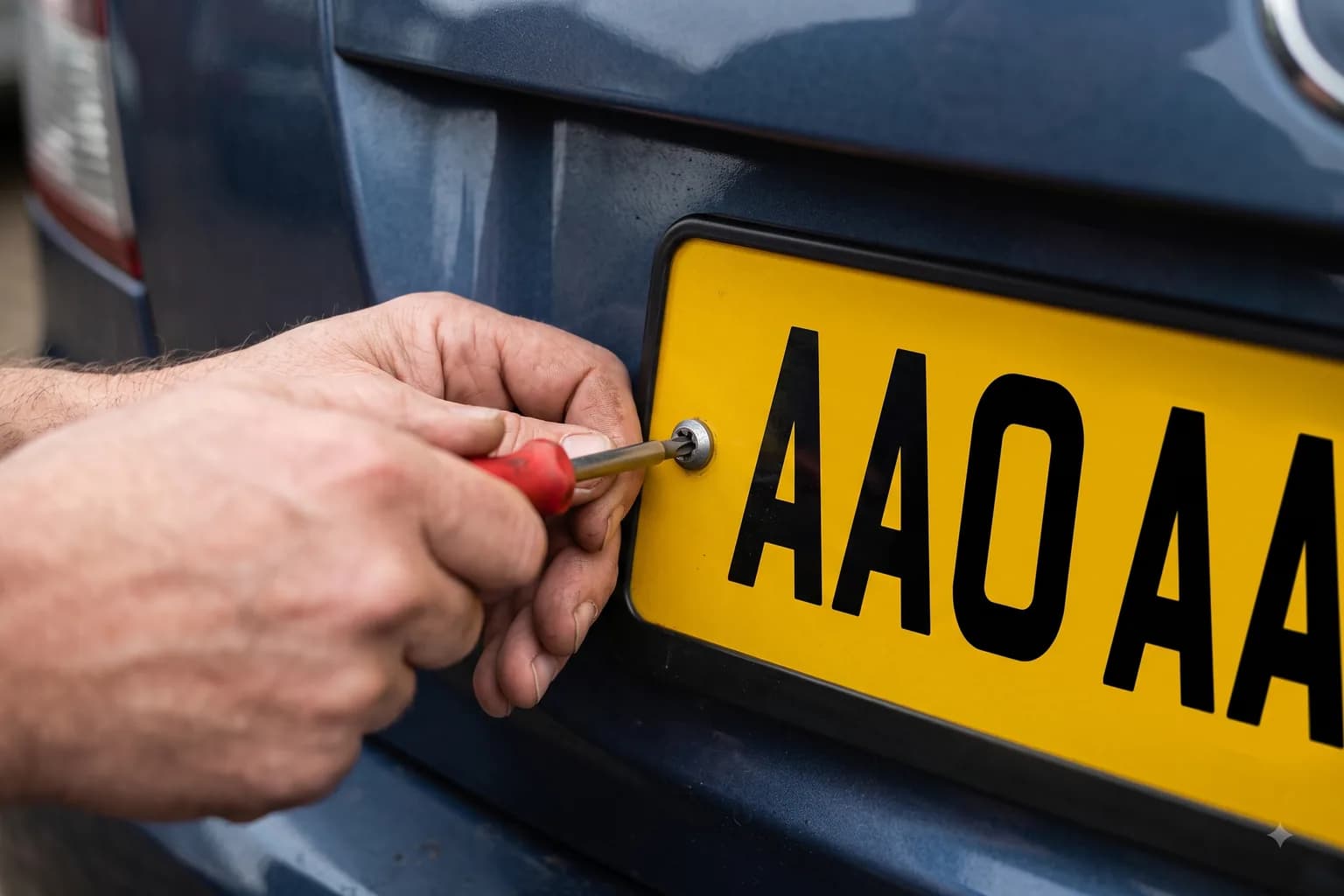
A cloned plate is a duplicate of a legitimate registration fitted to another vehicle, usually of a similar make, model or colour to avoid immediate suspicion. That second vehicle may then be used for parking abuse, toll evasion, fuel theft, speeding offences or more serious criminal activity.
From the enforcement system's perspective, the registration reads as yours. Automatic number plate recognition cameras, parking cameras and roadside systems do not know that two vehicles are now carrying the same identity. They match the plate they capture to the DVLA-linked keeper details available through lawful channels, and the notice is sent to the registered keeper of the genuine vehicle.
That is where the trouble starts. A single misuse event can lead to one penalty charge notice, but cloned plates rarely stay quiet for long. If the fraudulent vehicle is being used regularly, the false notices can multiply quickly across different operators and regions.
The real impact goes beyond one fine
The obvious damage is financial. You may be asked to pay parking charges, bus lane penalties, congestion charges, tolls or other fees connected to journeys you did not make. If deadlines are missed while you are trying to prove your innocence, the amount can increase.
The less obvious damage is administrative and reputational. You can spend hours gathering evidence, contacting authorities and contesting notices. If the fraud is persistent, you may need to repeat the process several times with different organisations. Fleet managers face added disruption because cloned plates can interfere with driver records, route logs and operational confidence.
There is also a legal tension here. In many cases, genuine keepers are ultimately able to challenge the notice successfully, but that does not mean the process is easy. Each issuing body may want different evidence. Some are responsive and practical. Others are slower, more rigid or harder to engage with. It depends on the type of notice, the stage of enforcement and the quality of the records you can provide.
Common signs your plate may have been cloned
The first red flag is usually a fine or notice linked to a place you have not been. Sometimes the location is hundreds of miles away. In other cases, it is close enough to feel plausible, which can delay detection.
You might also notice inconsistencies in the notice itself. The vehicle description may be wrong. The time may clash with your own known movements. Camera images may show a similar vehicle, but not yours.
For business users, the signs can appear in patterns rather than one-off incidents. Repeated notices, unexplained toll activity or route conflicts across the fleet should be treated seriously. Cloning thrives when isolated events are dismissed as admin errors.
What to do when a false fine arrives
The first step is not to ignore it. Even when the notice is clearly wrong, deadlines still matter. Delayed action can make a straightforward dispute harder and more expensive.
Start by checking every detail on the notice against your own vehicle and movements. Look at the date, time, location, vehicle make, model and colour if listed. Save copies of everything. If camera images are available, review them closely.
Then build a clear evidence trail showing where your vehicle actually was. That might include dated photographs, dash cam footage, work records, delivery logs, fuel receipts, parking receipts, service records, home CCTV or mobile phone location history where appropriate. If your vehicle was parked at home, say so and support it if you can.
You should also report suspected cloning to the police and contact the DVLA for guidance on the registration issue. If the notice came from a council, tolling authority or private parking operator, challenge it directly using the process set out on the notice. Be factual, consistent and specific. State that you believe your number plate has been cloned, explain why, and include supporting evidence.
Why evidence quality matters
When dealing with fines caused by cloned plates, not all evidence carries the same weight. A general statement that you were elsewhere is less useful than time-stamped proof. The stronger the timeline, the easier it is for an enforcement body to see that its records do not match your real vehicle use.
That said, proving a negative is not always simple. You may not have a perfect record for every hour of every day. That is why proactive monitoring has a real advantage. If suspicious duplication is detected early, you are in a stronger position to show a developing fraud pattern rather than defending each notice in isolation.
This is also where technology changes the picture. A security-led registration and alerting system creates a clearer chain of vehicle identity, helping owners move from reactive dispute handling to active detection.
Can cloned plate fines be cancelled?
Often, yes. But not automatically.
If you can show that your plate has been misused and that your vehicle was not involved, many notices can be cancelled or withdrawn. Police reports, inconsistent vehicle details and location evidence all help. However, outcomes vary depending on the issuer and the stage the case has reached.
For example, an early challenge may be resolved relatively quickly if the image clearly shows a mismatch. A later-stage enforcement case may require more persistence. Private parking charges, local authority penalties and criminal matters do not all follow the same route. That is why speed and documentation matter so much.
If your registration continues to be cloned, you may face recurring notices even after one has been cancelled. That is the core weakness of a purely reactive approach. Solving one fine does not stop the next one from being generated.
Preventing fines caused by cloned plates
Prevention is stronger than dispute management. Once a cloned identity is circulating, the burden often falls on the innocent keeper to keep proving the same point. That is inefficient and exhausting.
A more effective approach is to secure the plate identity from the start and monitor it for suspicious duplication activity. Protect A Plate is built around that principle: registration, detection and alerting. By placing plate credentials into an encrypted global tracking database and enabling instant alerts, drivers and fleet operators gain a faster warning when something does not look right.
That matters because timing matters. Early detection can reduce the gap between cloning activity and response. It gives owners a better chance to record evidence, report misuse promptly and show enforcement bodies that the registration is already flagged as potentially compromised.
For plate manufacturers and supply chain partners, secure registration workflows also matter. Unauthorised duplication is not only a driver problem. It is part of a wider plate security challenge, and weak points in creation, record-keeping or verification can increase risk.
Why UK drivers should treat plate security seriously
Vehicle identity is now read, checked and processed constantly - in car parks, at toll points, on urban roads and across enforcement networks. That convenience cuts both ways. When a registration is cloned, the systems designed to automate compliance can automate the fraud's consequences too.
Private motorists often assume this only happens to high-value cars or luxury registrations. It does not. Everyday vehicles are cloned because they blend in. Fleet operators sometimes assume internal records will be enough to sort it out. Sometimes they are, but repeated incidents can still consume significant time and cost.
The point is simple. If your number plate is your vehicle's public identity, it deserves the same level of protection you would expect for any other critical identifier. Waiting for a fine to prove there is a problem is leaving the first move to the fraudster.
If a notice has already arrived, act quickly and build your evidence properly. If it has not, that is the moment to strengthen control. The best time to deal with cloned plate fraud is before someone else starts driving under your identity.