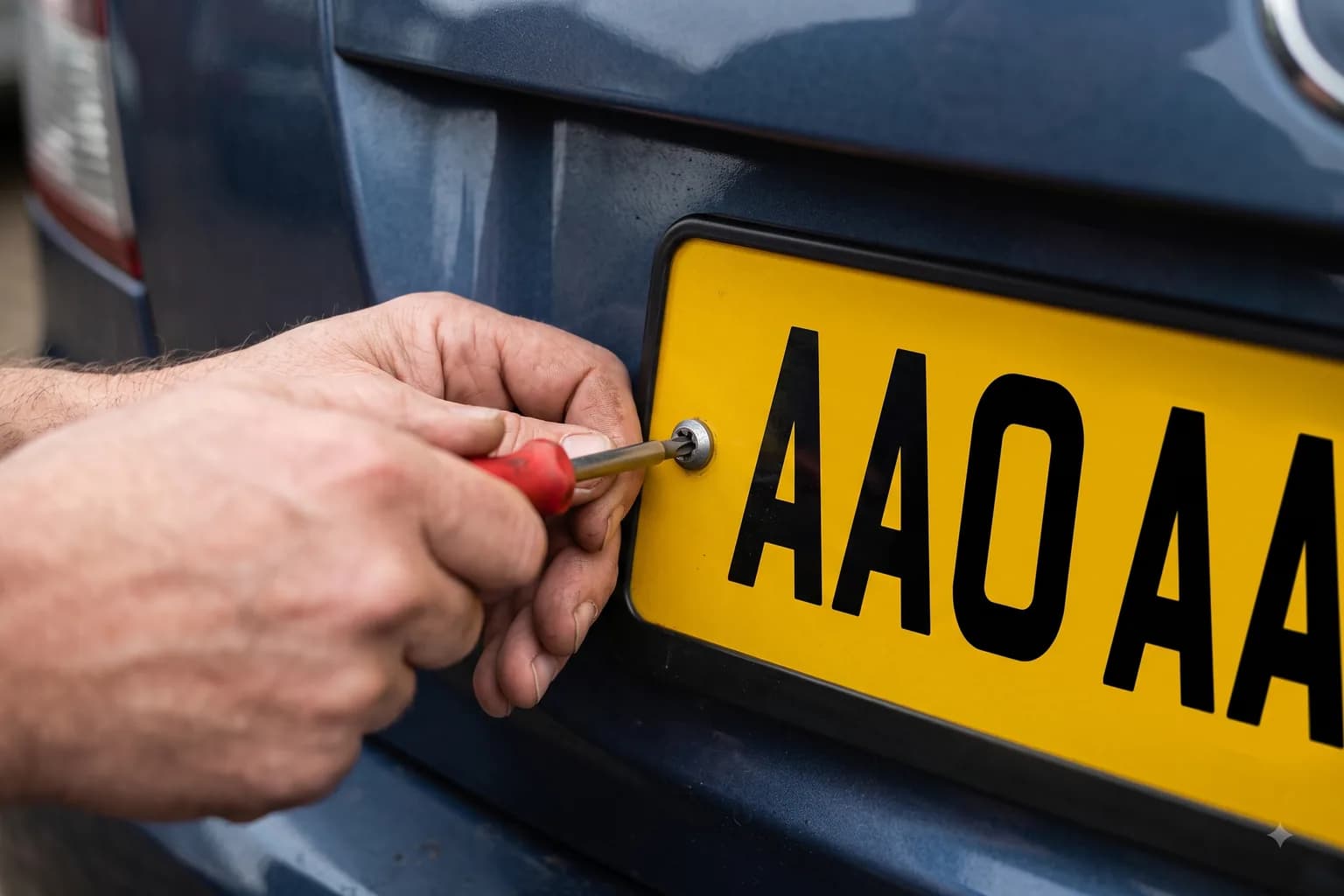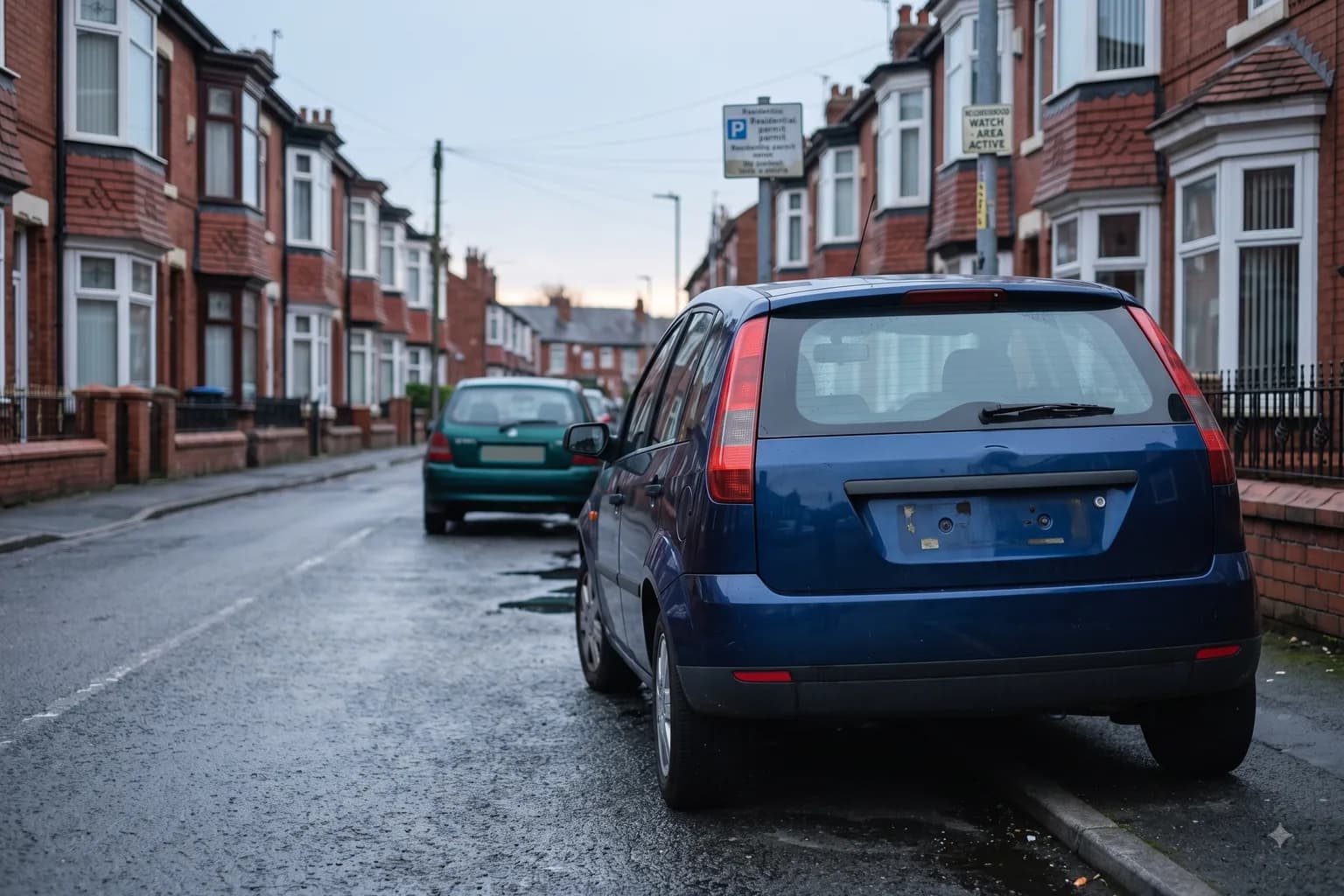
A cloned plate rarely announces itself politely. It usually arrives as a parking charge you did not incur, a toll notice from somewhere you have never driven, or a police query that turns an ordinary day into a serious problem. That is exactly why an encrypted vehicle registration database matters. It gives number plate protection a secure, active foundation - not just a record of ownership, but a system built to detect misuse, verify legitimacy and trigger rapid action.
What an encrypted vehicle registration database actually does
At its core, an encrypted vehicle registration database is a secure environment for storing and managing plate-related records. But for UK motorists, fleets and plate manufacturers, the real value is not simply storage. It is controlled verification.
When plate details are entered into a protected system, they can be linked to authorised information, monitored for suspicious duplication patterns and checked when concerns arise. Encryption helps ensure that sensitive records are not sitting in plain view, exposed to misuse or casual access. That matters because number plate fraud is not a minor inconvenience. It can lead to financial loss, wasted time, legal stress and lasting disruption.
A standard database can hold data. A security-led database is designed to do more. It helps establish whether a plate is genuine, whether a duplicate may have appeared in circulation and whether a driver or business needs to act immediately.
Why encryption matters in plate protection
The word encryption is often treated as a technical extra, when in reality it is basic security hygiene. If a database contains registration-linked records, verification data and tracking history, that information must be protected properly.
Encryption helps prevent unauthorised parties from viewing or exploiting stored records. For a service focused on number plate security, that is not optional. A poorly protected system creates a second risk while trying to solve the first.
There is also a trust issue. Drivers will only register their vehicle details if they believe the platform handling them is secure, controlled and fit for purpose. Fleet operators and plate manufacturers need the same assurance. They are not looking for a vague promise of safety. They want a platform with clear controls, clear accountability and technology built around prevention.
That does not mean encryption alone solves plate cloning. It does not. A record can be protected and still go unmonitored. A secure database becomes genuinely useful when it sits inside a wider process of registration, detection and alerting.
The real-world job of an encrypted vehicle registration database
For number plate security to work in practice, the database needs to support action. That means recording legitimate plate credentials, checking against suspicious activity and making plate status easier to verify.
For a private motorist, the benefit is straightforward. If your plate details are securely registered and actively monitored, you have a better chance of spotting misuse early. Early detection usually means less damage. A cloned plate left unnoticed for weeks can produce a trail of penalties, enforcement notices and administrative headaches.
For fleet operators, the stakes are often higher. One cloned registration can affect driver time, compliance admin and customer confidence. A secure, searchable database creates a central point of truth, which matters when multiple vehicles, drivers and routes are involved.
For plate manufacturers, the role is slightly different. They need a secure registration workflow tied to legitimate production and distribution. In that context, the database is not only about detecting fraud after the event. It also helps tighten control at the point plates enter circulation.
How detection and alerting change the picture
Many vehicle owners only discover cloning after a third party contacts them. By then, the fraud has already started costing time and money. This is where a static record falls short.
A stronger model combines secure registration with live monitoring and immediate alerting. If suspicious duplication activity is detected, the system should not wait for the driver to chase updates manually. It should notify them quickly through the channels that are most likely to be seen - email, SMS or push notification.
That speed matters because response windows are rarely generous. If you can act at the first sign of irregular activity, you are in a far better position to gather evidence, protect your position and stop the problem escalating.
This is one of the clearest advantages of a purpose-built automotive security platform over generic record keeping. A spreadsheet can tell you what should exist. It cannot tell you when that identity appears to be under attack.
What good plate security looks like in practice
An effective encrypted vehicle registration database should feel controlled, not complicated. The process needs to be clear enough for ordinary motorists and strong enough for commercial use.
In practical terms, that usually means three connected stages. First, the legitimate vehicle or plate record is securely registered. Next, the system monitors for signs of suspicious duplication or identity misuse. Then, if an issue appears, an alert is sent quickly so the vehicle owner or business can respond.
That sounds simple because it should be. Security systems fail when they demand too much effort from the people they are supposed to protect. If registration is clumsy, adoption drops. If alerts are delayed, confidence disappears. If verification is difficult, the system loses operational value.
The best platforms reduce uncertainty. They give drivers and businesses a faster way to confirm status, identify anomalies and decide what needs to happen next.
Trade-offs and limits worth understanding
There is no serious security solution without some trade-offs. An encrypted database improves protection, but it still depends on the quality of the records entered, the logic used to detect anomalies and the speed of follow-up action.
If records are incomplete, verification becomes weaker. If alert thresholds are too loose, users may see noise rather than useful warnings. If thresholds are too strict, suspicious activity might not be flagged early enough. This is why plate protection is not just a software feature. It is an operational discipline.
It also depends on the user. Drivers and businesses need to keep their records accurate and respond when alerts arrive. A platform can shorten the gap between threat and awareness, but it cannot replace human action entirely.
That said, these are manageable limits, not reasons to delay. The bigger risk is relying on no active protection at all and discovering fraud only when outside agencies have already acted.
Who should consider this type of protection
The short answer is simple: anyone who would rather prevent cloning than clean up after it.
Private motorists are increasingly exposed because cloned plates can be copied quickly and used widely before the true owner knows anything is wrong. Security-conscious drivers, higher-mileage motorists and anyone who regularly parks in public locations have good reason to think proactively.
Fleet operators have an even clearer case. The administrative impact of one compromised plate can multiply fast across operations, especially where vehicles are constantly on the road. A centralised, encrypted system gives teams more control and a cleaner response path.
Plate manufacturers also benefit because secure registration workflows support compliance, traceability and confidence in the legitimacy of plate creation. That matters in a market where weak controls can create openings for fraud.
Why a specialist platform matters
This is not an area where generic tools do the job well. Number plate fraud is highly specific, and the response needs to be equally specific. A specialist platform is built around automotive identity, not adapted to it as an afterthought.
That is where a provider such as Protect A Plate stands apart. The value is not just in holding records securely. It is in combining proprietary tech, encrypted tracking, active detection and instant alerts in one operational system. For drivers and businesses, that creates something much more useful than a passive database. It creates visibility and control.
If your plate is part of your vehicle’s identity, protecting that identity should be treated with the same seriousness as protecting the vehicle itself. An encrypted database is not there to add technical polish. It is there to reduce exposure, speed up detection and help stop fraud before it spreads.
The smartest time to protect a registration is before anyone else starts using it.