A penalty notice for a journey you never made is often the first sign that a vehicle registration has been misused. By that point, the driver may be dealing with enforcement letters, disputed charges and the difficult task of proving their car was elsewhere. Driver protection against registration misuse is designed to identify risk earlier, giving vehicle owners a clearer route to act before fraud becomes a prolonged administrative and financial problem.
A registration mark is more than a set of characters on a plate. It is the visible identity attached to your vehicle across roads, car parks, fuel forecourts, congestion zones and enforcement systems. When that identity is copied, the consequences can follow the legitimate keeper.
What registration misuse looks like in practice
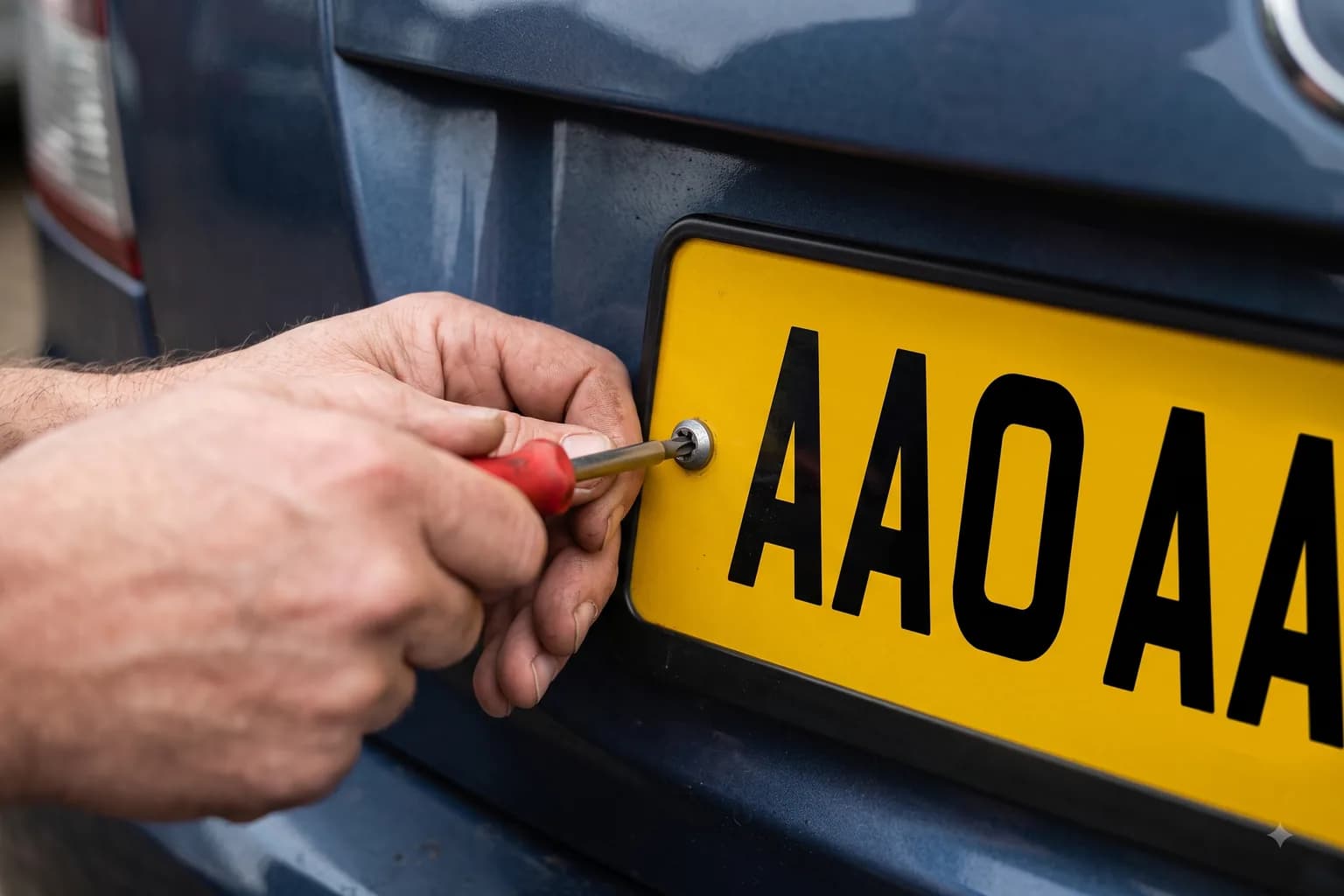
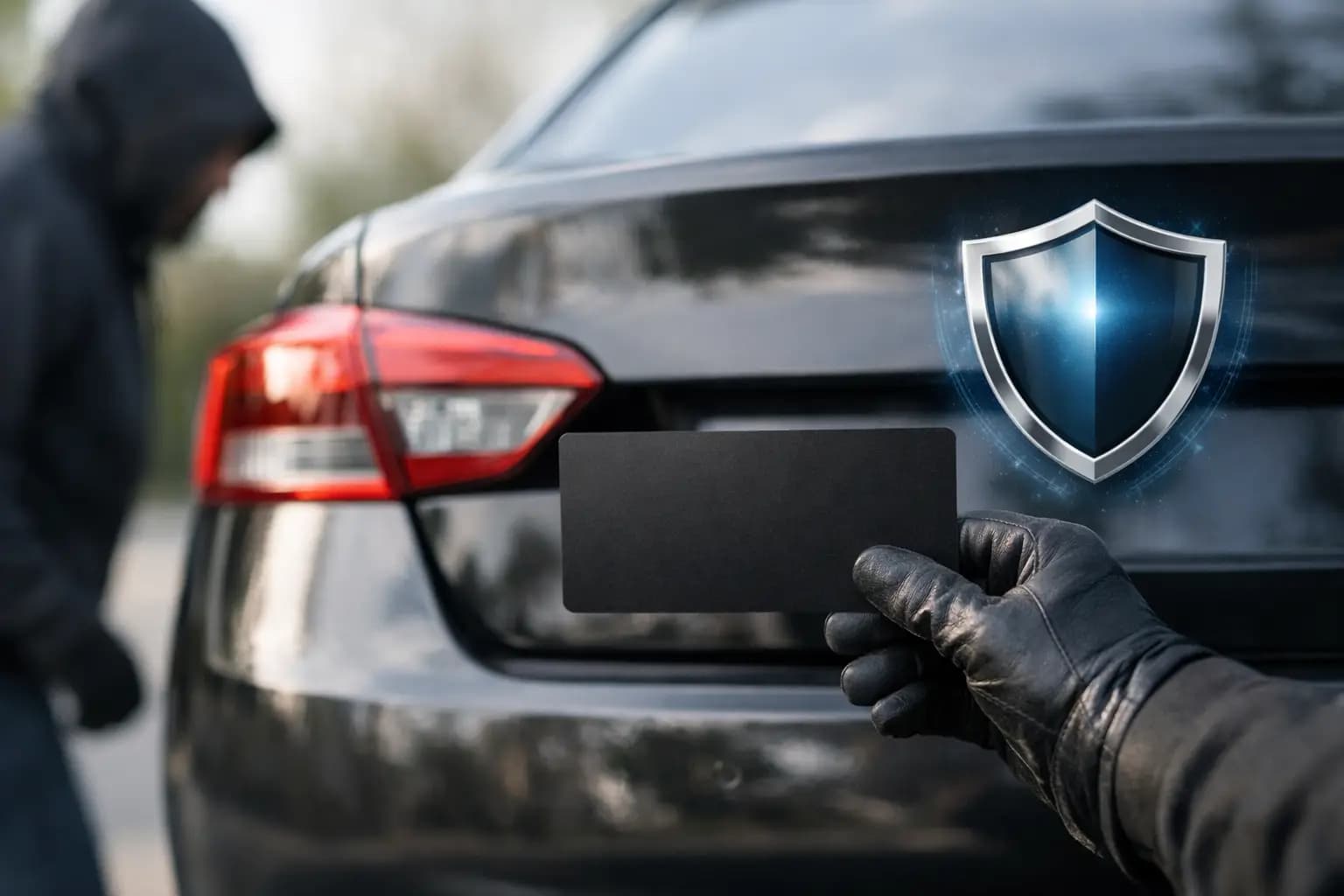
The most common form of registration misuse is number plate cloning. A criminal copies the registration of a legitimate vehicle, often choosing one that matches the make, model and colour of the vehicle they are using. The cloned plate can then be used to conceal offences, avoid road charges, obtain fuel or make a vehicle appear legitimate.
The real driver may receive parking charge notices, bus lane penalties, speeding allegations, toll demands or correspondence connected to criminal activity. In some cases, the first indication is a notice supported by camera imagery showing a vehicle that looks similar but is not theirs.
That creates an immediate burden. You may need to gather evidence, contact issuing authorities, challenge notices within their deadlines and explain why the registration appears in records connected to an incident. For a business operating several vehicles, repeated misuse can also consume staff time, interrupt operations and complicate fleet compliance.
Registration misuse is not limited to obvious cloning. It can include unauthorised plate duplication, false claims linked to a registration, or attempts to use vehicle details to support fraudulent transactions. The risk changes by circumstance, but the core issue remains the same: someone else is using an automotive identity that belongs to you.
Why passive action leaves drivers exposed
Many motorists only start looking for protection after a fine or enforcement notice arrives. Replacement plates and retrospective reports can be necessary, but they do not reverse the time, stress and uncertainty already created. They may also fail to address whether the old registration details continue to circulate or whether fresh copies have been made.
A stronger approach is based on registration, detection and alerting. First, the vehicle’s plate credentials are securely recorded. Next, suspicious duplication activity is monitored against those details. If a concern is identified, the registered driver can receive an instant alert through the selected notification channel.
This does not mean every notice is evidence of a cloned plate. Administration errors, incorrect vehicle observations and mistaken assumptions can happen. It does mean the driver has a structured, time-sensitive way to assess an issue instead of relying on chance correspondence weeks later.
Speed matters because evidence is easier to preserve while the event is recent. Dashcam footage may still be available, work schedules can confirm where a vehicle was, and journey records can be checked before they are overwritten. Early awareness gives you more control over the response.
Driver protection against registration misuse starts with verification
Effective protection depends on a reliable record of the registration and its ownership status. This is where a secure platform provides more than a basic vehicle note or a photograph of a number plate. It establishes a traceable plate credential within an encrypted global tracking database, creating a reference point for monitoring and verification.
When an enquiry or suspected duplicate is raised, the system can support a clearer distinction between a legitimate plate and one that requires investigation. For drivers, that means less uncertainty. For plate manufacturers and supply-chain partners, it creates a more accountable process around the production and distribution of legal plates.
Verification also supports better conversations with third parties. If you need to dispute an allegation, you should be able to present the facts calmly: the vehicle’s verified registration details, the time of the alert, the location of your vehicle where available, and any discrepancy in the evidence provided. A system cannot decide a legal dispute for you, but it can help you build a more organised response.
The action to take when an alert arrives
An alert should prompt a measured response, not panic. Check whether the reported activity could relate to your vehicle, a recent journey or an authorised plate purchase. If it clearly does not, preserve the information immediately and begin building a timeline.
Start by retaining relevant records. This may include photographs of your vehicle and plates, dashcam clips, GPS or telematics data, parking receipts, work logs, service appointments and messages that establish where you or the vehicle were at the relevant time. Keep copies of every notice and record the date you received it.
Then contact the organisation that issued the notice or raised the concern using its stated challenge or reporting process. If you believe your registration has been cloned or used in connection with crime, report the matter to the police and obtain a crime reference number where appropriate. Do not ignore official correspondence simply because it is wrong. Deadlines may still apply, and prompt engagement helps protect your position.
Avoid making unsupported accusations about a specific vehicle or person. The objective is to establish the facts and prevent further misuse. Clear evidence, accurate records and a documented alert history carry more weight than assumptions.
Protection for private motorists and fleets
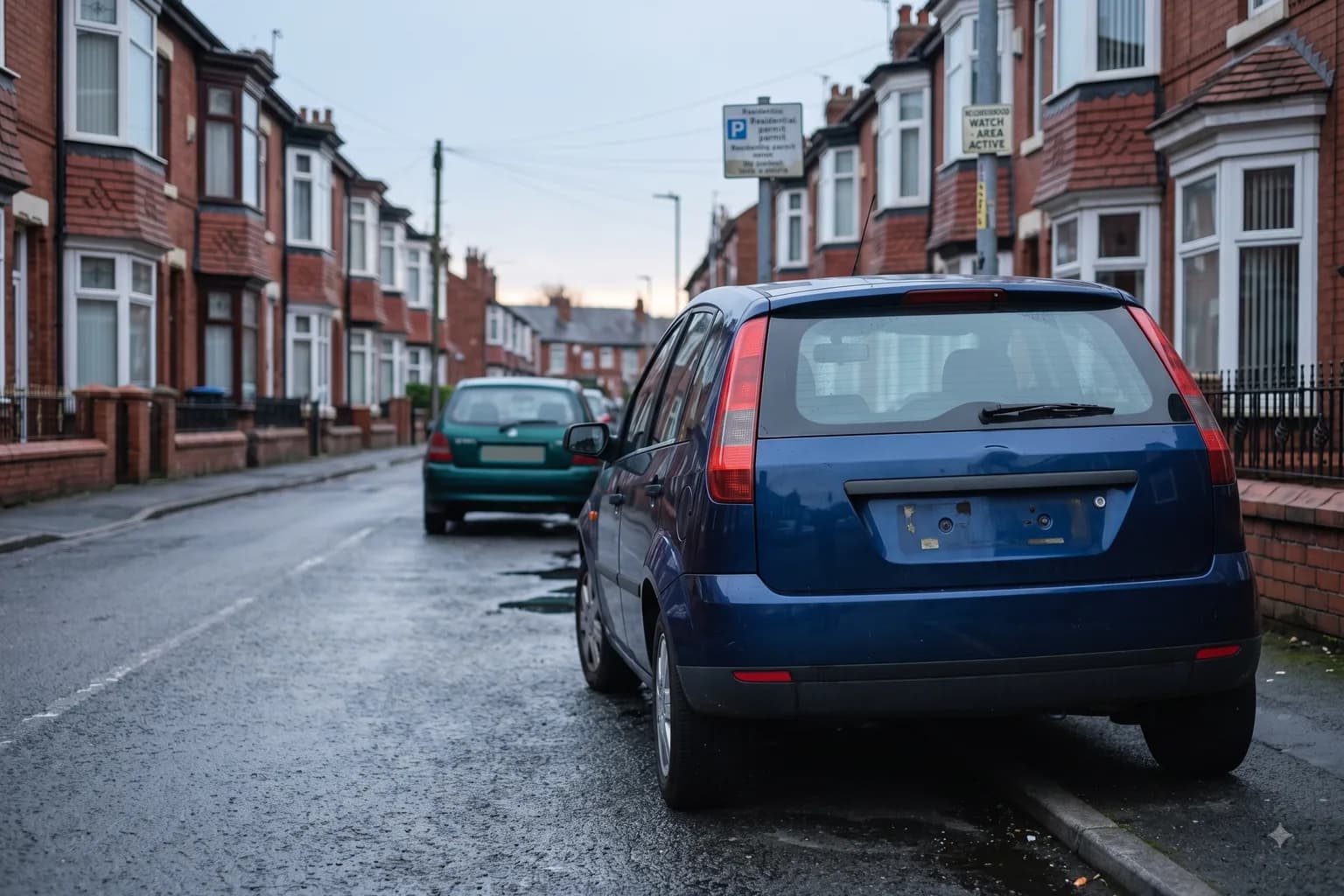
For an individual driver, registration protection offers reassurance that a vehicle identity is not being left unmonitored. It is particularly relevant for vehicles that spend long periods parked away from home, travel frequently, or are valuable enough to attract attention from criminals. However, any registration can be copied, and the disruption is not reserved for premium cars.
For fleets, the issue is multiplied. A single cloned registration can trigger enquiries across drivers, transport managers, finance teams and insurers. If several vehicles are affected, the business may lose valuable time reconciling notices, checking routes and responding to authorities. Centralised monitoring gives fleet operators a more consistent process, with alerts and records that can be reviewed quickly.
Plate manufacturers have a separate but connected responsibility. Secure registration workflows help demonstrate that legal plates have been produced and handled through an accountable process. That matters for compliance, customer trust and reducing opportunities for unauthorised duplication further down the chain.
The right level of protection depends on how a vehicle is used. A local private car owner may prioritise simple alerts and rapid verification. A courier fleet may need stronger operational visibility and clear internal escalation. In both cases, the principle is preventative: identify suspicious use early and respond with evidence.
What to look for in a registration protection service
The service should be built around active detection rather than a promise to help only after an incident. Look for secure registration of plate credentials, monitoring designed to identify suspicious duplication, and alerts that reach you quickly by email, SMS or push notification.
A searchable plate status tool can also add practical value. It gives authorised users a way to check whether a registration has a recorded security status before relying on it. The quality of the underlying database matters just as much as the interface. Sensitive vehicle information should be protected through encrypted systems and managed with clear access controls.
Finally, choose a provider that understands the number plate ecosystem, not simply general identity fraud. Protect A Plate applies proprietary tech to the specific risk of cloning and unauthorised duplication, bringing registration, detection, alerting and verification into one focused security process.
Your registration is visible wherever your vehicle travels. Treating it as an asset worth actively protecting can reduce the chance that someone else’s actions become your problem - and give you the evidence and early warning needed to respond with confidence.