That first penalty notice often lands before a driver has any idea their registration has been copied. A proper driver guide to plate fraud evidence matters because plate cloning cases move quickly, and the strength of your response depends on what you can prove, when you can prove it, and how clearly you present it.
Plate fraud is not just an inconvenience. It can trigger fines, toll charges, parking demands, enforcement letters and difficult conversations with insurers or authorities. For private motorists, it creates stress and wasted time. For fleet operators, it can disrupt vehicles, drivers and admin teams at scale. The risk is simple - if someone is using your identity on the road, weak evidence leaves you exposed.
Why plate fraud evidence needs to be immediate
The biggest mistake drivers make is assuming the issue will sort itself out once they explain they were elsewhere. Sometimes that works. Often, it does not. Fraud cases are decided on records, timestamps and verifiable facts. The earlier you secure those records, the harder it is for the cloned plate activity to be treated as your own.
Evidence also becomes harder to gather with time. CCTV is overwritten. Receipts go missing. Dashcam footage is deleted. Drivers forget where the vehicle was parked, who was using it and what route it took. A fast response gives you control. A delayed response gives the problem room to grow.
A driver guide to plate fraud evidence: what actually helps
Not every document carries the same weight. The strongest evidence shows two things at once: that your genuine vehicle exists and was in a different place from the offending vehicle, and that the suspect vehicle is not the same as yours.
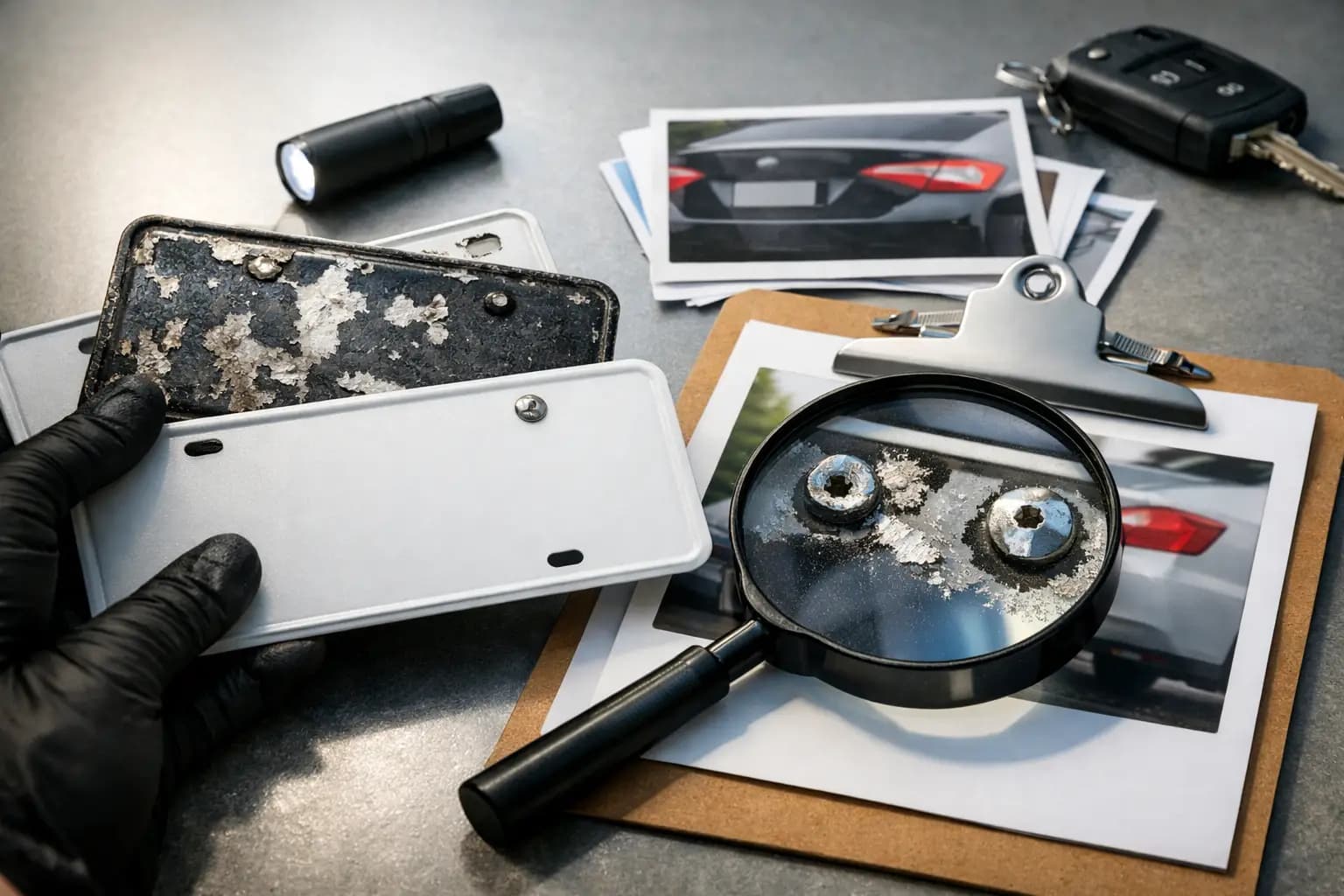
Start with the basics. Keep clear photographs of your vehicle from the front, rear and both sides, including distinguishing features such as stickers, alloy wheels, dents, trims, roof bars or business branding. If your number plates are legal and correctly displayed, photograph those too. Time-stamped images are useful because they establish the identity and condition of the genuine vehicle.
Then build a location record. Fuel receipts, parking tickets, garage invoices, toll records, delivery logs, telematics reports, work schedules and dashcam footage can all support your position. If your car was on your drive, at your workplace, in a depot or on a defined route when an offence occurred elsewhere, that matters. The key is specificity. A vague statement is weaker than a receipt from 14:07, a gate log from 14:12 and dashcam footage showing the vehicle in another town.
If you run a fleet, internal records are often decisive. Driver allocation sheets, journey logs, booking systems and GPS data can quickly show whether a vehicle could realistically have been at the location on the notice. Commercial operators usually have more evidence than private drivers, but only if it is stored properly and retrieved fast.
Spotting the difference between your vehicle and the cloned one
Many cloned plate cases are uncovered because a camera image does not match the genuine vehicle. That mismatch is one of the strongest forms of evidence available.
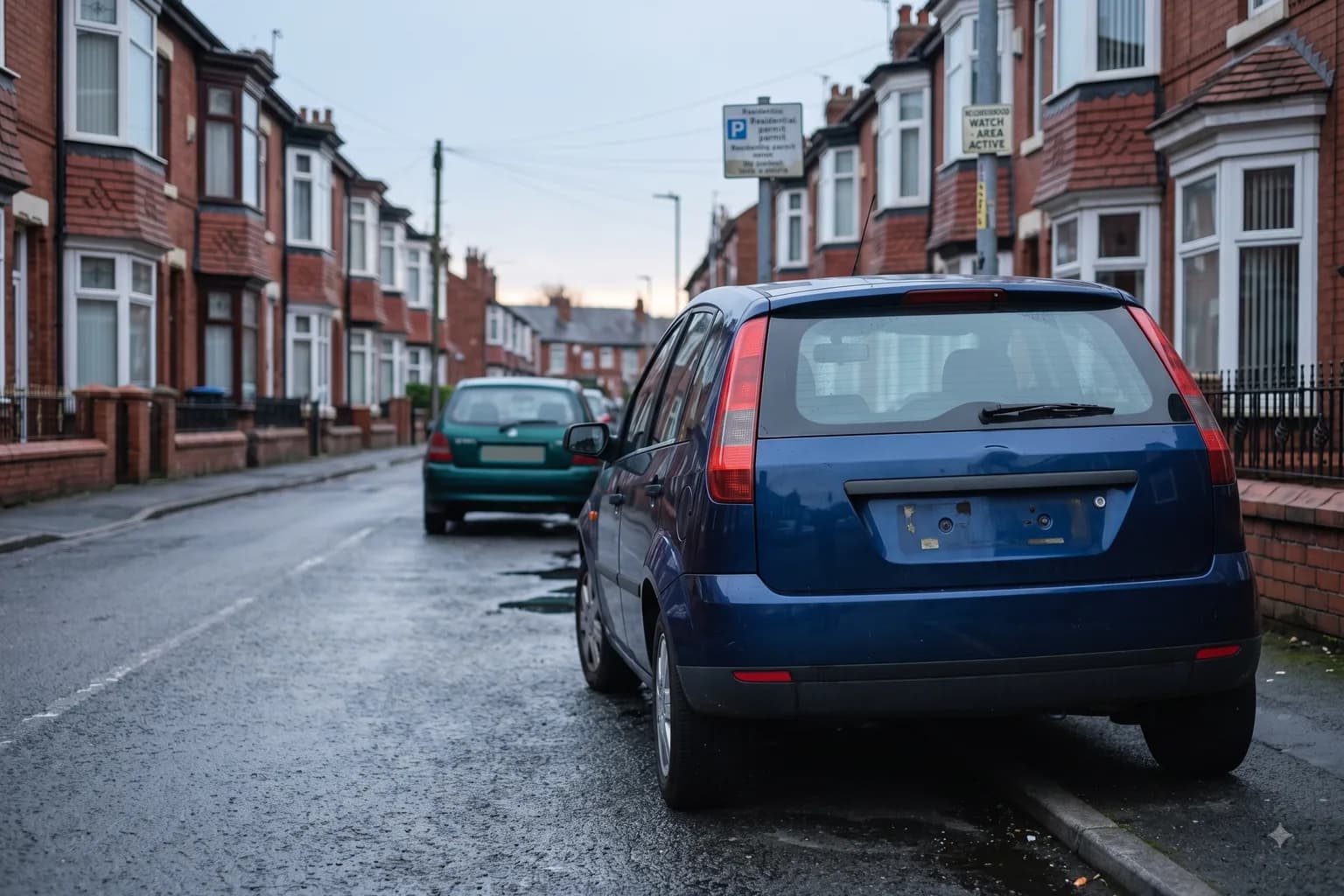
Check the image on any penalty, toll notice or enforcement letter carefully. Compare vehicle make, model, body shape, colour, trim level and visible features against your own. A cloned plate may be attached to a vehicle with different lights, badges, wheel designs or even a different class of vehicle altogether. Sometimes the registration spacing or plate font appears wrong. Sometimes the plate is on the same model but the colour or age is different. Small details can carry real weight.
This is where organised records matter. If you already have current photographs of your vehicle, you can show the mismatch immediately instead of scrambling to create proof after the fact. In disputed cases, clarity beats volume. Ten random photos help less than four sharp, dated images that clearly identify the vehicle.
How to organise your evidence without weakening your case
A strong case is not just about what you have. It is about how you present it. If you send incomplete, contradictory or poorly labelled material, you create doubt where none needed to exist.
Create a simple timeline. Start with the date and time of the suspected offence or notice. Then add where your vehicle was, who had custody of it, and what records support that position. Label every file clearly. For example, use names such as "Vehicle front photo 12 March 2026" or "Fuel receipt Leeds 08:15 12 March 2026". Keep screenshots readable and store original files where possible.
Avoid editing images beyond basic cropping for clarity. Heavy edits can raise unnecessary questions. If you have dashcam footage, save the original segment and note the device time settings if relevant. If your vehicle has distinctive features that are not visible in the offence image, say so plainly. If they are visible, highlight that difference clearly.
Witness statements can help, but they usually support stronger documentary evidence rather than replace it. A statement from an employer, family member, depot manager or colleague is more useful when it matches timestamps and records already in your file.
What drivers should do when the first notice arrives
The first notice is the moment to act with discipline. Do not ignore it, and do not respond with anger alone. Start by checking the date, time, location and image details. Confirm where your actual vehicle was at that moment. Gather your photographs, receipts, telematics, dashcam files and any related records straight away.
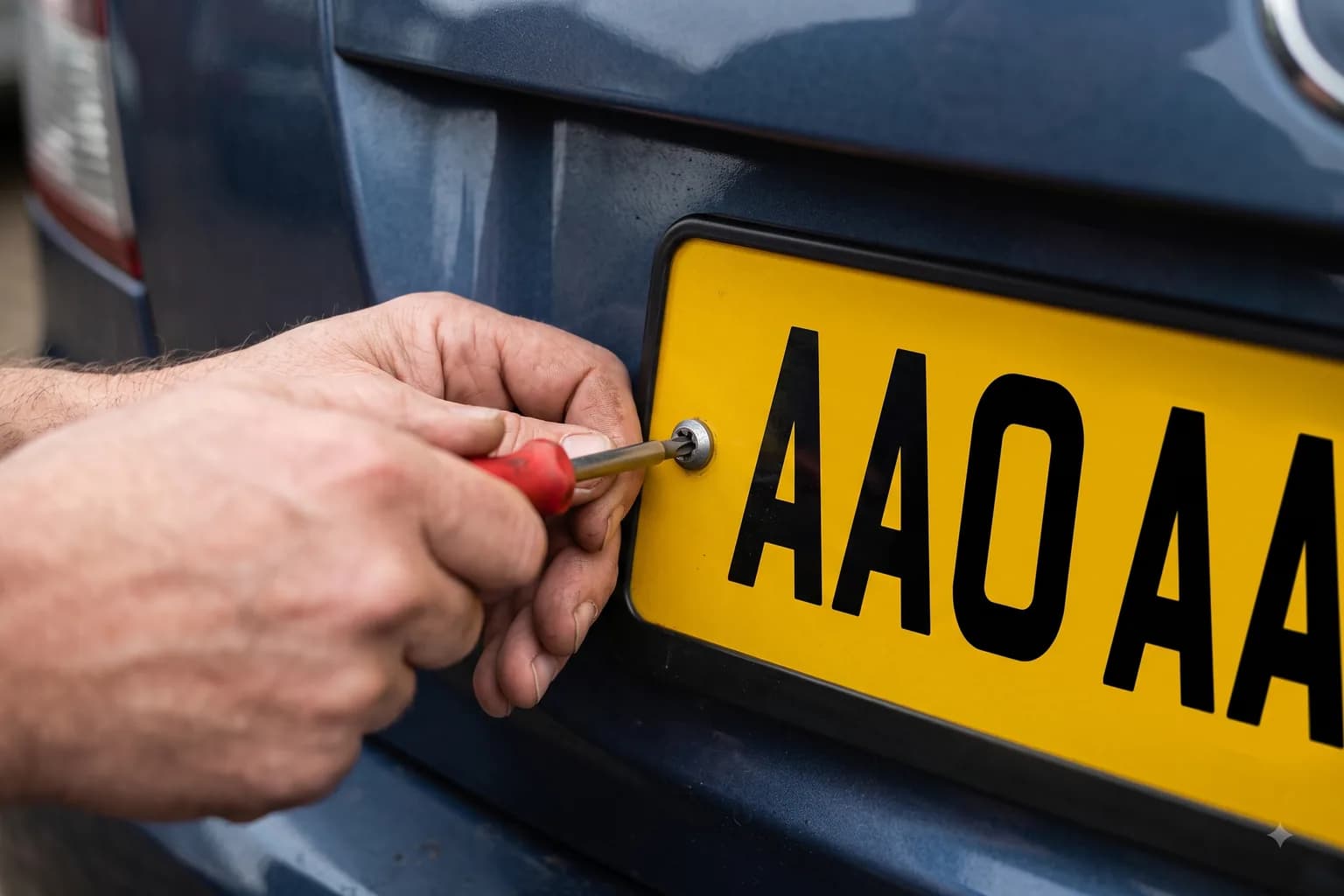
Next, preserve the condition of your own vehicle and plates. Take fresh photographs as soon as possible. If your vehicle has unique marks or accessories, capture them clearly. If there is any sign of attempted plate theft or tampering, record that too.
Then report the suspected cloning through the appropriate channels and keep records of every reference number, email, submission and response. The exact process can vary depending on whether the issue involves parking enforcement, tolling, policing or another authority. What does not vary is the need for a clean evidence trail.
The limits of evidence - and why monitoring matters
Evidence is essential, but evidence alone is reactive. It helps once damage has started. The harder question is how to reduce the chance of repeated misuse.
That is where proactive registration, detection and alerting become more valuable than passive replacement after the fact. If a driver only discovers cloning when notices begin arriving, the fraud has already moved into enforcement systems. By that stage, the job is damage control. A security-led approach gives drivers a better position by helping identify suspicious duplication activity earlier and creating a verifiable status trail around the plate itself.
For high-mileage drivers and fleets, that distinction matters. The more a registration is exposed in public, the more attractive it becomes to fraudsters looking for a plausible identity to copy. Preventative monitoring is not a luxury feature. It is a practical control.
Driver guide to plate fraud evidence for fleets and business vehicles
Fleet operators face a different level of exposure because cloned plate incidents can multiply across multiple vehicles, drivers and routes. One disputed notice is manageable. A pattern across several registrations is an operational risk.
The evidence standard should therefore be built into daily process, not improvised later. Vehicles should have up-to-date image records. Driver allocation should be logged consistently. GPS, telematics and depot movement data should be retained for a sensible period. Plate issue and replacement records should be secure. If a case arises, the business can then respond with certainty instead of chasing paperwork across different systems.
For manufacturers and authorised suppliers, secure registration workflows matter for the same reason. Control at the point of plate creation reduces the opportunity for unauthorised duplication further down the line. That is one reason specialist platforms such as Protect A Plate focus on both prevention and detection, rather than treating fraud as a paperwork problem after it has escalated.
Common weak points that fraudsters exploit
Plate fraud often succeeds because the genuine owner has little visibility until a notice appears. Fraudsters rely on that gap. They also rely on inconsistent records, old vehicle photos and the fact that many drivers do not know what evidence authorities are likely to accept.
Another weak point is assumption. Drivers often think a copied registration will be used only briefly or locally. That is not always the case. A cloned plate may appear in another region, on a similar vehicle or in a way designed to avoid immediate suspicion. It depends on the fraudster's method. That is why broad, well-kept evidence is stronger than relying on a single explanation.
If you are ever challenged, calm precision is your advantage. Dates, images, locations and retained records carry more force than long descriptions of how unfair the situation feels.
The safest position is to treat your registration as part of your vehicle's identity, not just a legal display item. Protect it, document it, and if anything looks wrong, move quickly before someone else's actions become your problem.