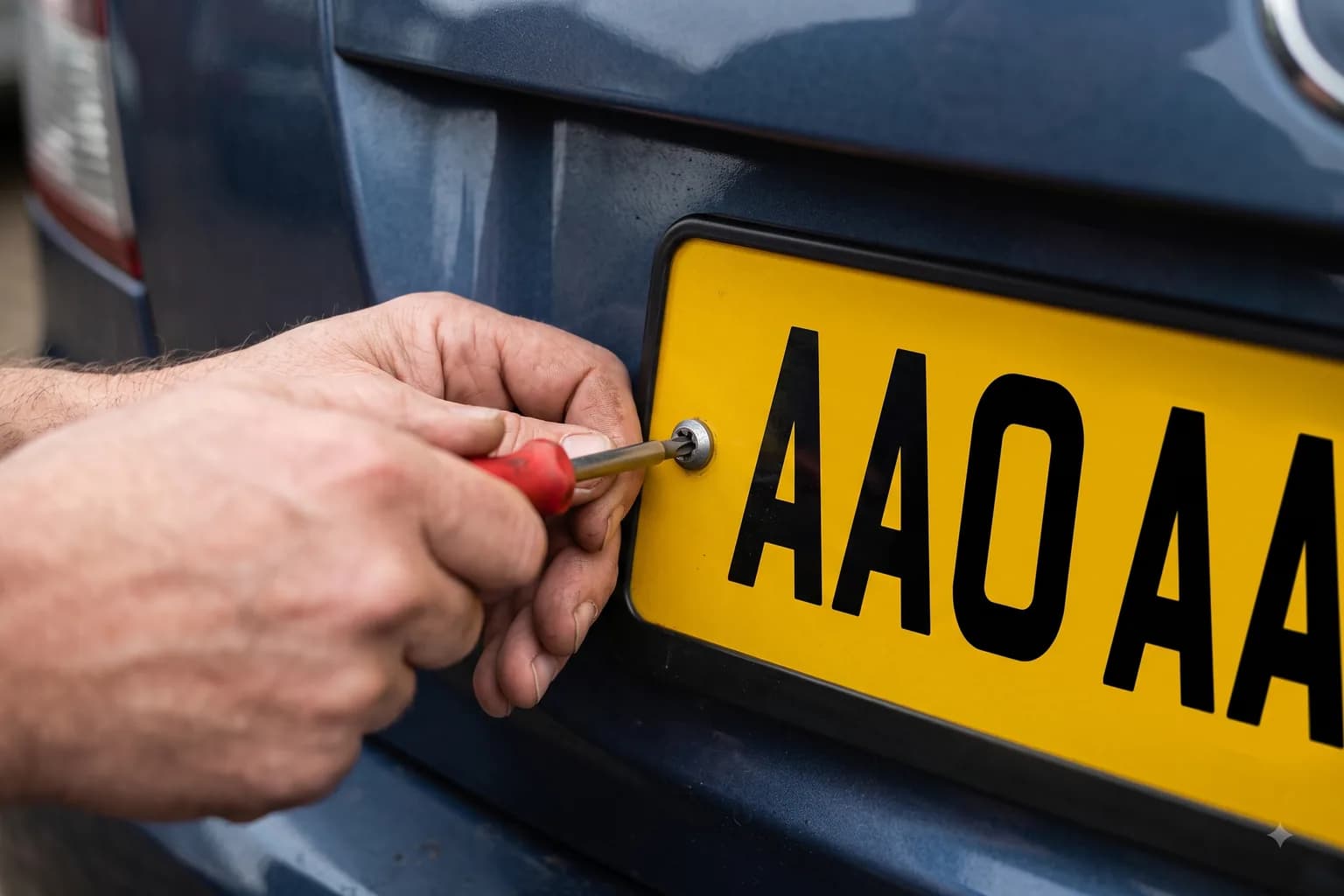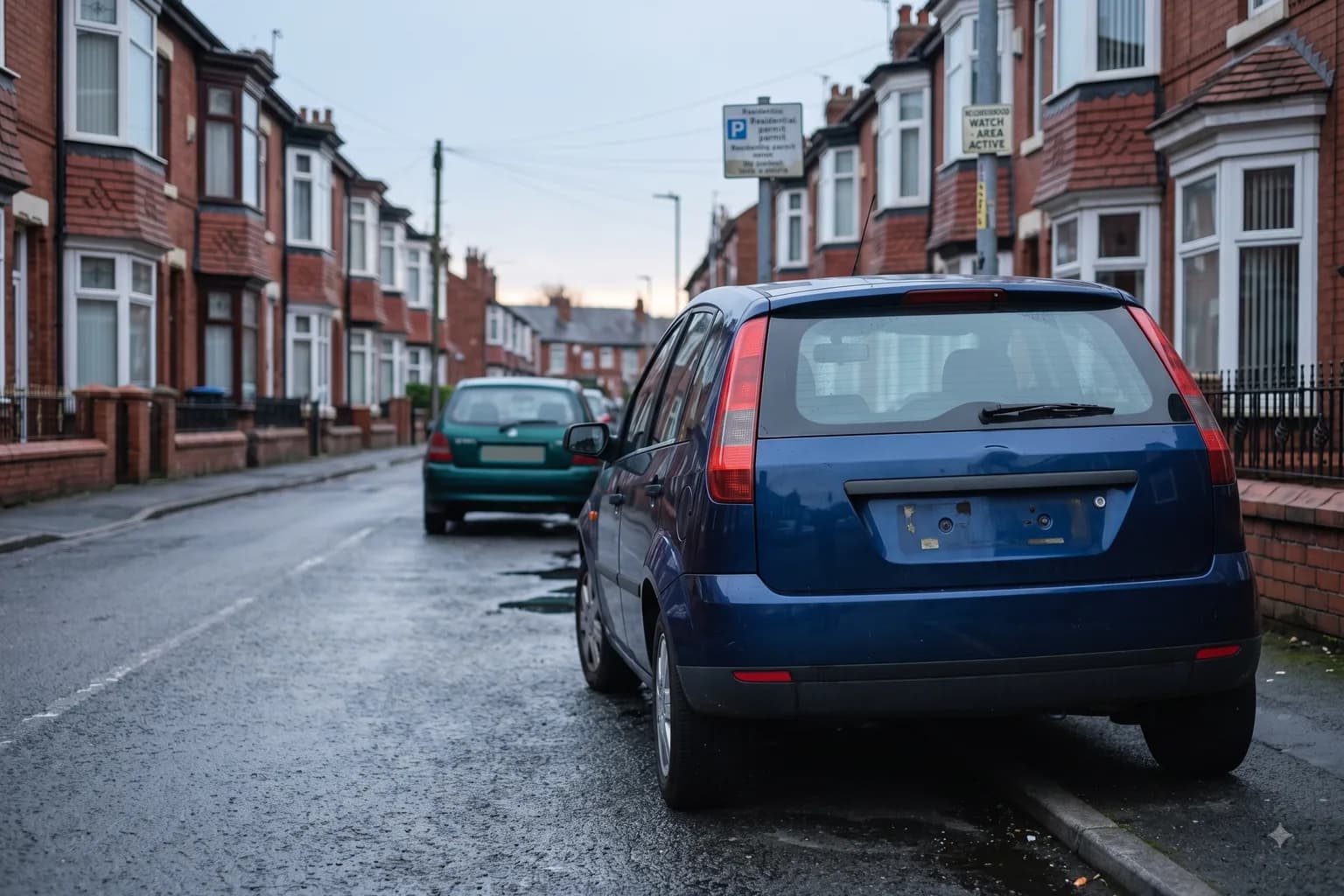
A cloned registration rarely announces itself politely. It usually appears as a speeding notice, a congestion charge, a parking penalty or a police stop linked to a journey you never made. By the time that happens, the damage has already started. That is exactly why a digital plate audit trail matters. It gives vehicle owners, fleets and plate suppliers something far more useful than guesswork - a clear, traceable record of a plate’s legitimate identity, registration activity and potential misuse.
For UK motorists, number plate fraud is not an abstract risk. It can lead to penalties, insurance complications, wasted time, vehicle downtime and genuine anxiety about what your registration may be connected to. For businesses, the stakes are higher still. One cloned plate on a fleet vehicle can create administrative noise across compliance, operations and customer trust. A proper audit trail shifts the position from reactive defence to active control.
What is a digital plate audit trail?
A digital plate audit trail is a secure, time-stamped record linked to a vehicle registration and its authorised plate history. It captures key actions and events around that plate, such as registration, verification, manufacturing records, status checks and suspicious activity alerts. In practical terms, it creates an evidential chain showing what should have happened, when it happened and whether anything outside that pattern needs immediate attention.
That distinction matters. A plate is not just a physical item fixed to a vehicle. It is a visible identity marker used by enforcement systems, car parks, toll operators, traffic cameras and the police. If that identity is copied, the consequences can spread quickly. An audit trail provides the structure needed to separate legitimate use from unauthorised duplication.
The strongest systems do more than store static information. They actively monitor for anomalies, cross-check status and trigger alerts when suspicious duplication signals appear. That is the difference between a record-keeping exercise and a live security layer.
Why the digital plate audit trail matters now
Number plate cloning is attractive to fraudsters because it is simple, visible and effective. A cloned plate lets someone mask the identity of a vehicle while placing the consequences elsewhere. That elsewhere is usually an innocent motorist or an operator with multiple vehicles and limited time to challenge false accusations.
Without a digital trail, disputes become harder. You may know the vehicle was not in Birmingham when a notice says it was, but proving that quickly is another matter. You end up assembling fragments - work logs, dashcam footage, fuel receipts, delivery schedules, CCTV requests. Sometimes that works. Sometimes it does not move fast enough.
A digital plate audit trail improves response speed because the history is centralised and immediately searchable. It gives context around the plate’s legitimate lifecycle and any warning signs attached to it. That helps owners act early, before cloned use snowballs into multiple penalties or a police intelligence issue.
There is also a supply chain reason this matters. Plate manufacturers and authorised suppliers need clear registration workflows and confidence that the plates they produce sit inside a controlled, traceable system. If plate creation and verification are disconnected, weak points emerge. Fraud tends to enter through weak points.
What a strong audit trail should include
Not every record system deserves to be called an audit trail. To be useful, it needs depth, integrity and speed. At a minimum, it should show who registered the plate, when the record was created, how the plate status was verified and whether any alerts or anomalies have been logged against it.
For individual motorists, that means confidence that there is a trusted record of ownership and a way to monitor suspicious activity. For fleets, it means being able to manage multiple registrations without losing visibility. For plate manufacturers, it means a controlled process tied to authorised production and compliance handling.
The most effective systems usually include encrypted data handling, event logging, status visibility and instant alerting. They also need clear permissions. A private owner, a fleet manager, an administrator and a manufacturer should not all see or do the same things. Security improves when access is purposeful.
This is one of the trade-offs worth acknowledging. More detailed tracking creates stronger protection, but only if the platform is well governed. Poor data discipline creates noise. Good system design creates usable evidence.
Digital plate audit trail for private motorists
If you own one vehicle, it is easy to assume this is a fleet problem. It is not. Private motorists often feel the impact of cloning more sharply because every false notice lands as a personal disruption. It interrupts work, family life and travel, and it can be difficult to know where to start.
A digital plate audit trail gives private drivers a stronger footing. Instead of waiting for repeated penalties to build up, you have a registered record linked to your plate credentials and a monitoring framework designed to identify suspicious duplication activity. That changes the conversation from “How do I prove this wasn’t me?” to “There is already a protected record showing what is legitimate and what requires investigation.”
That reassurance matters, but so does practicality. If alerts arrive quickly by email, SMS or push notification, you can act before a single incident becomes a long-running dispute. Speed is often the difference between a manageable issue and a costly one.
Why fleets need a digital plate audit trail
Fleet operators face a different problem: scale. One cloned registration is disruptive. Several across a larger vehicle group can become an operational drain. Admin teams end up dealing with notices, drivers face unnecessary scrutiny and managers lose time to investigations that should never have been needed.
A digital plate audit trail helps fleets keep control because it centralises registration, detection and alerting in one place. That matters when vehicles are constantly moving across regions, drivers change shifts and notices can arrive days after the relevant journey. A central record reduces ambiguity and supports a faster internal response.
It also helps with reputational risk. Commercial vehicles carry brand presence on the road. If a cloned plate is linked to dangerous driving, evasion or criminal behaviour, the impact extends beyond paperwork. The business may need to reassure customers, insurers or enforcement bodies quickly. An accessible audit trail strengthens that response.
There is an operational balance to strike. Fleets want oversight, but they do not want another bulky system that slows teams down. The best approach is one that folds security into normal workflow rather than adding layers of manual checking.
The role of plate manufacturers and authorised suppliers
Plate security does not begin when a driver receives a fine. It begins much earlier, at the point where plates are created, registered and linked to legitimate credentials. That makes manufacturers and authorised suppliers a critical part of the security chain.
A digital plate audit trail supports that role by tying production and registration into a controlled environment. It creates traceability around when a plate record was entered, which user handled it and how its status sits within the wider database. That is valuable for compliance, but it is even more valuable for prevention.
When manufacturers operate inside a secure workflow, it becomes harder for bad actors to exploit gaps between issue, registration and verification. That does not eliminate fraud entirely - no system can promise that - but it significantly improves accountability. In security, accountability is not a nice extra. It is the basis for intervention.
What to look for in a plate protection system
If you are assessing whether a platform genuinely provides a digital plate audit trail, ask a simple question: does it only store records, or does it actively defend plate identity? Storage alone is not enough.
A stronger system should combine encrypted registration data, active detection logic, searchable plate status and instant alerting. It should also be straightforward to use. Security only works when people can act on it quickly.
This is where specialist providers stand apart from generic admin tools. A platform built specifically around number plate protection understands the real-world problem: cloning happens fast, disputes are stressful and evidence must be credible. Protect A Plate is built around that reality, with proprietary tech focused on registration, detection, alerting and verification rather than passive record storage.
Control is better than cleanup
Most motorists only think about plate fraud after the first notice arrives. By then, you are already in cleanup mode. The better position is earlier than that - with a plate identity that is registered, monitored and backed by a digital trail capable of supporting action.
A digital plate audit trail is not just a technical feature. It is a control mechanism for one of the most exposed identifiers on your vehicle. If your registration can be seen, copied and misused, it should also be protected, checked and traceable.
The helpful question is not whether cloning could happen. It is whether you would know quickly, and whether you could prove what is legitimate when it does.