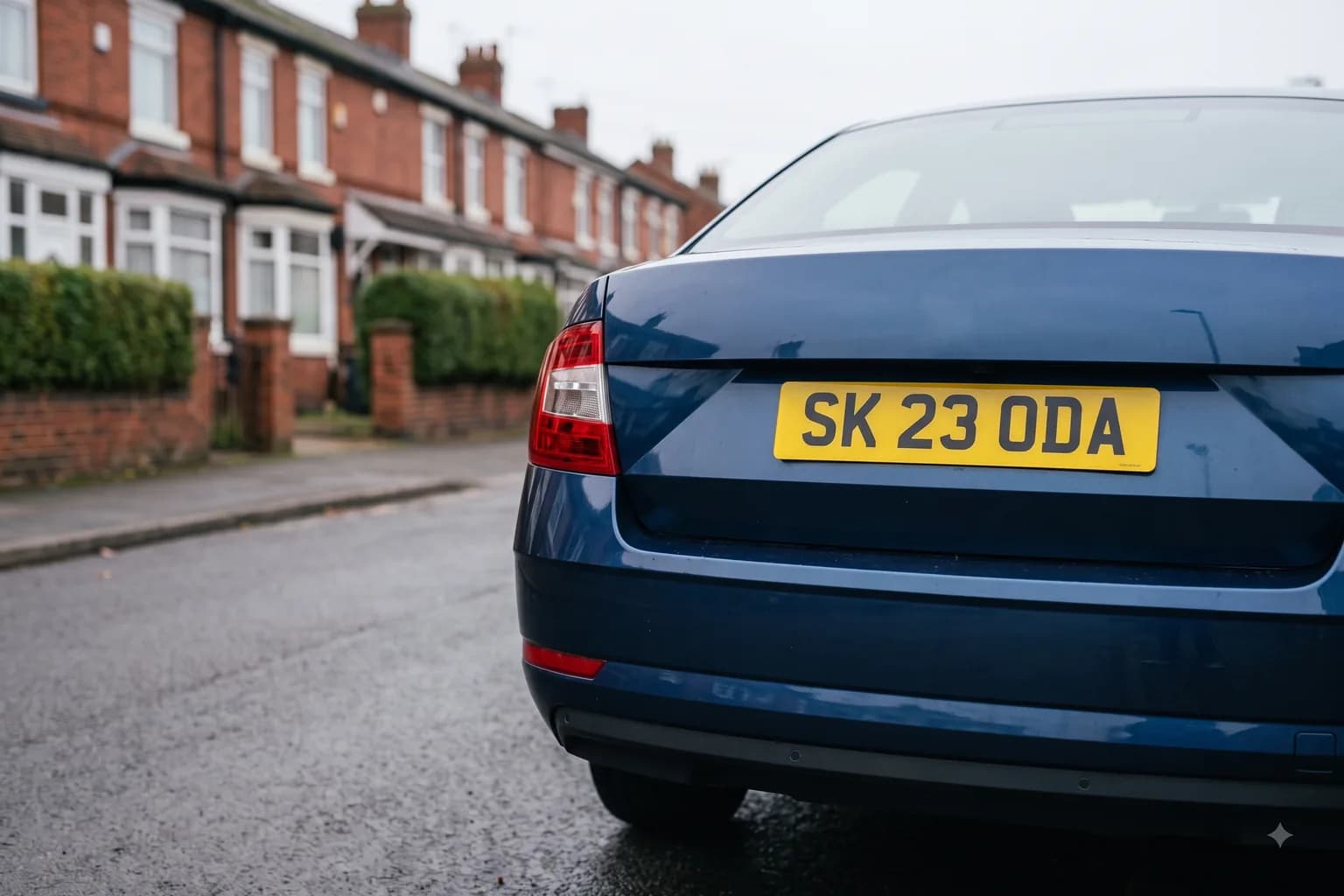
A parking charge arrives for a town you have not visited. A speeding notice names your registration, yet your car has been on the drive all day. These are the moments when the distinction between a cloned registration versus stolen vehicle matters. Both can expose you to disruption, cost and difficult conversations with enforcement agencies, but they are fundamentally different crimes with different immediate actions.
A stolen vehicle is missing. A cloned registration usually leaves your vehicle exactly where it is, while a criminal uses its identity elsewhere. Knowing which situation you are facing helps you protect your position quickly, preserve the right evidence and stop a minor suspicion becoming a prolonged fraud case.
What is a cloned registration?
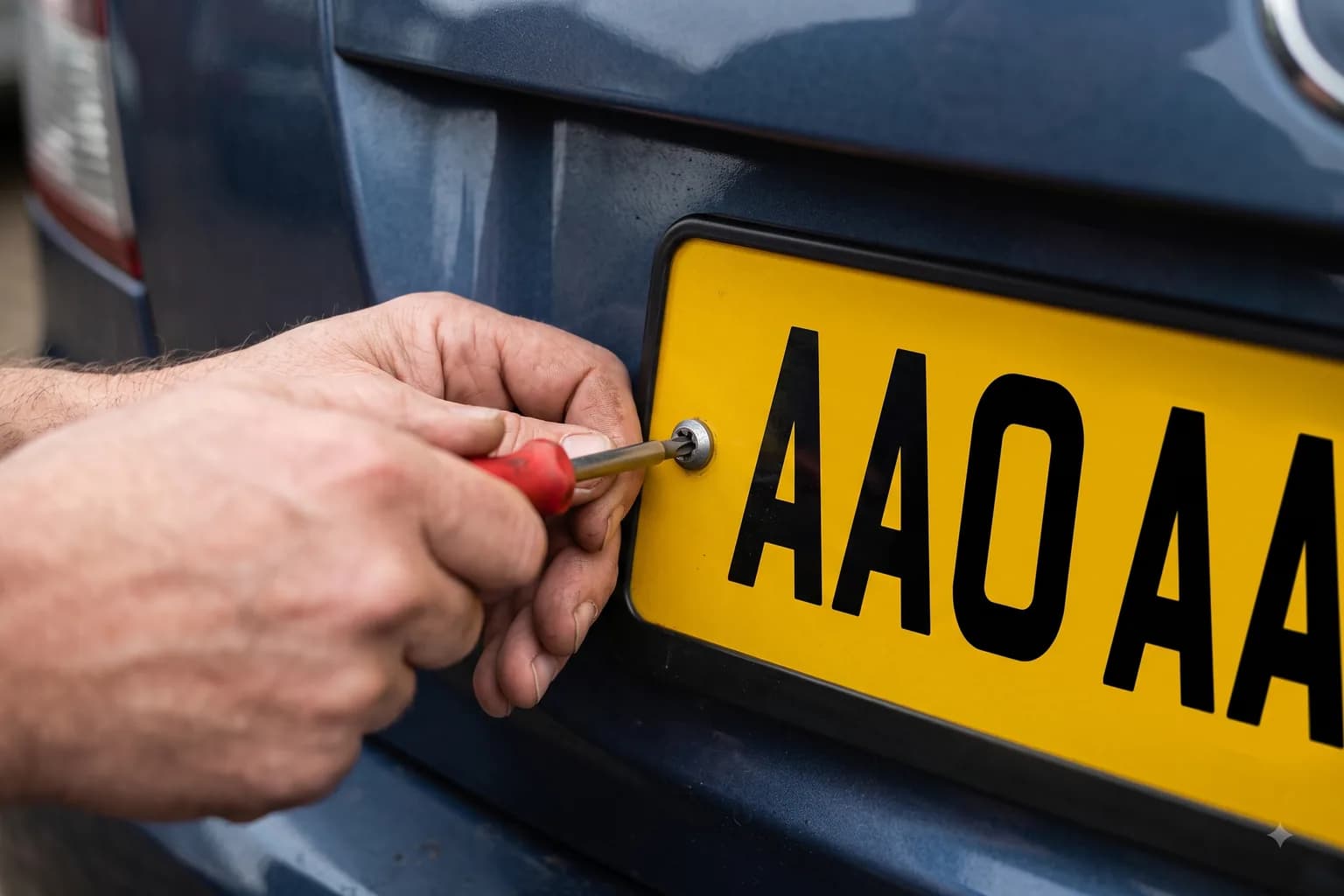
Registration cloning happens when someone copies a legitimate vehicle registration mark and displays it on another vehicle. The copied plates may be fitted to a similar make, model and colour to reduce the chance of being challenged, but they do not have to be. The criminal is borrowing your vehicle identity to hide their own.
This can be used to avoid congestion and road-user charging, parking fees, speeding penalties and fuel costs. It may also be connected to more serious offending, where a vehicle needs to appear legitimate to cameras, witnesses or automatic number plate recognition systems.
The immediate issue is not that your car has gone. It is that your registration has been seen in places where neither you nor your vehicle have been. Notices and demands may therefore be sent to you first, because official records correctly identify you as the registered keeper of the genuine registration.
What is a stolen vehicle?
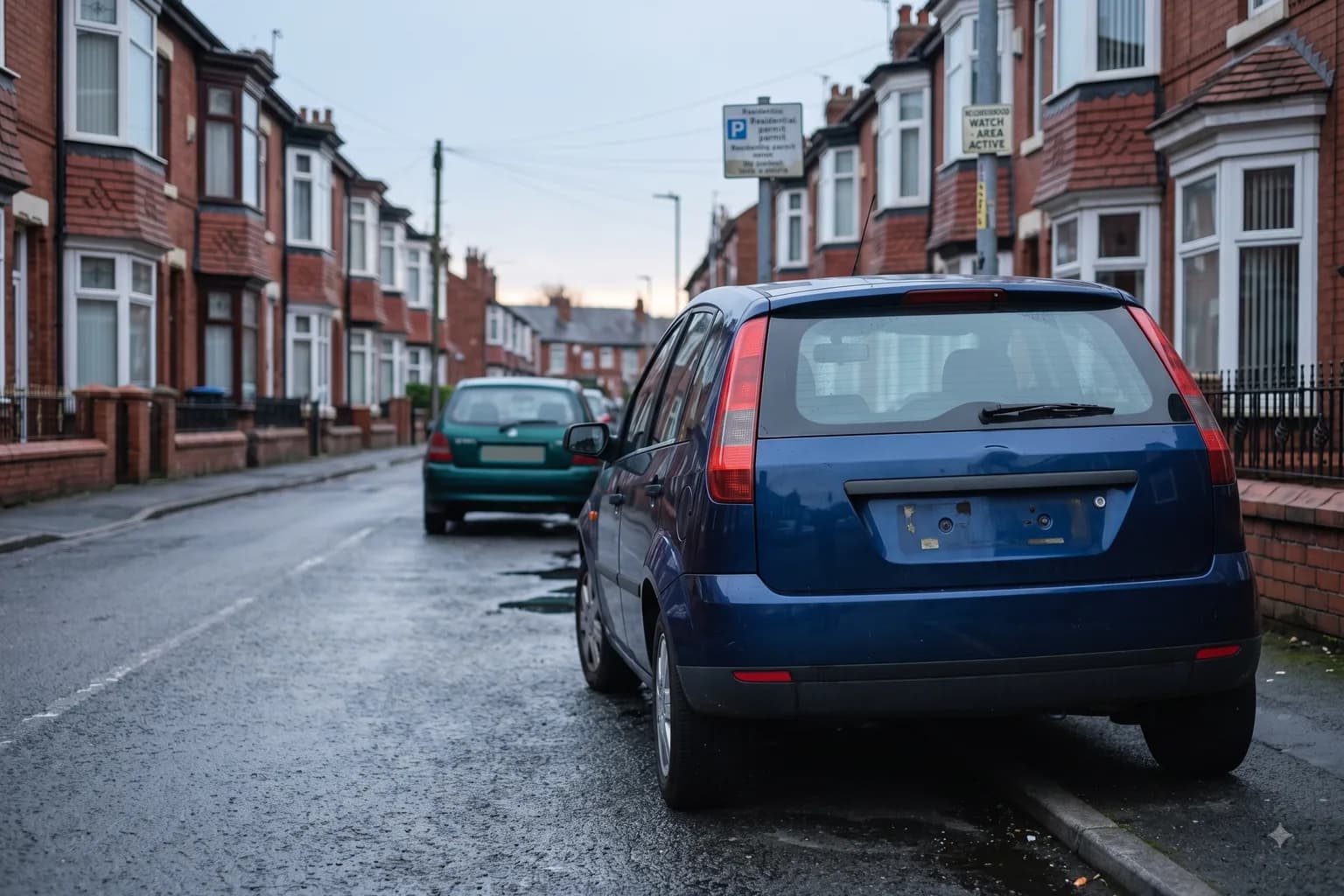
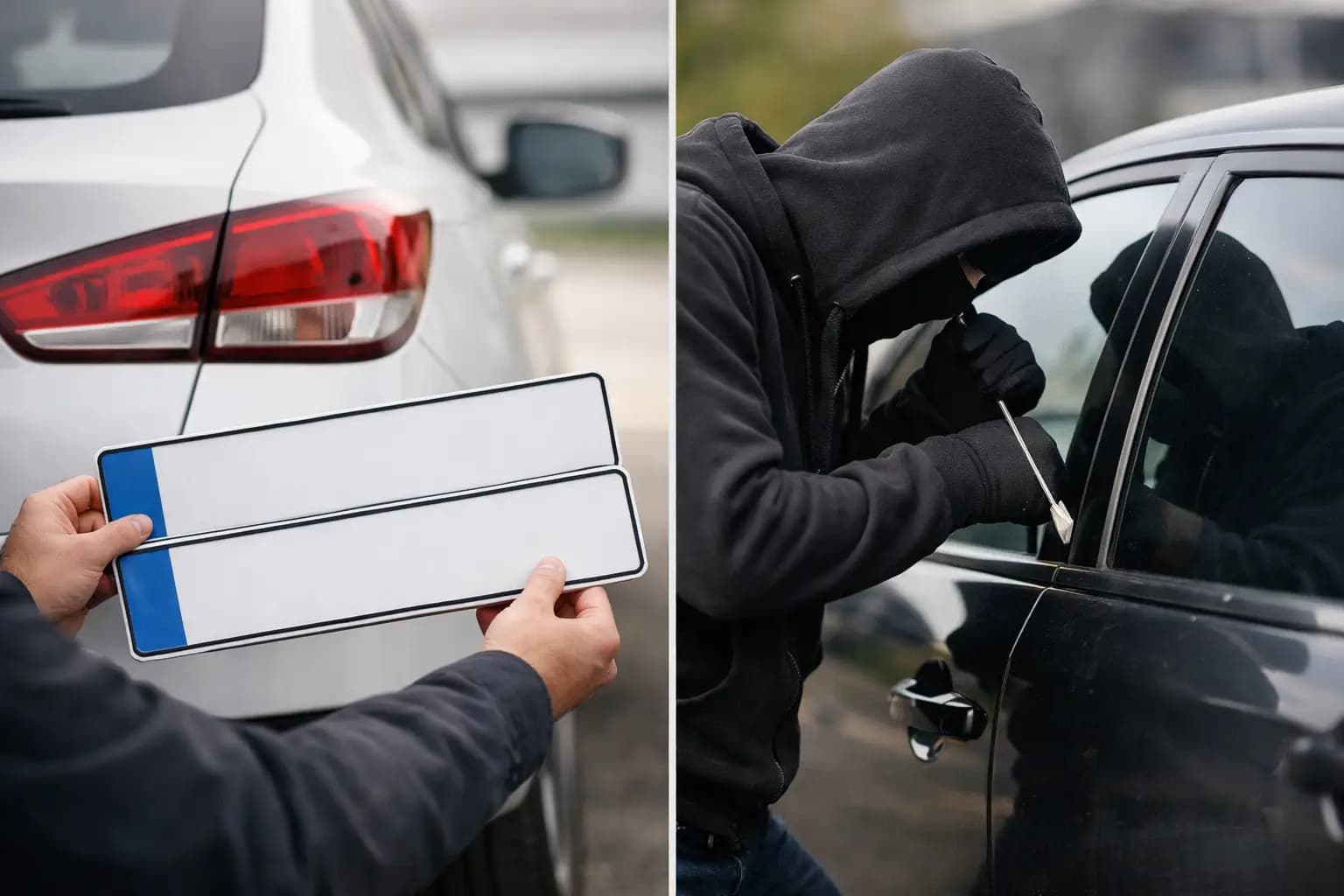
A stolen vehicle is one taken without the owner's consent. It may be driven, stripped for parts, sold using false details or given a new identity. In this case, the principal risk is physical loss of the vehicle, along with the potential for damage, insurance complications and misuse while it is out of your control.
A thief may alter or replace the plates on a stolen car. Equally, a stolen vehicle may be fitted with cloned plates taken from an innocent motorist. This is where the two issues can overlap: the stolen vehicle becomes the platform for cloned registration fraud.
However, receiving a penalty notice does not automatically mean your own vehicle has been stolen. If your car is secure and in your possession, plate cloning is the more likely explanation. Never assume, though. Check the vehicle immediately before treating a notice as a cloning issue.
Cloned registration versus stolen vehicle: the key differences
The simplest test is possession. If you cannot find your car where you left it, treat it as a theft and report it to the police without delay. If your car is present but enforcement evidence places your registration somewhere else, suspect cloning.
The evidence also looks different. A stolen vehicle report will focus on the vehicle's last known location, keys, security, condition and identifying features. A cloned plate case usually turns on dates, times, camera images, the alleged location and the visible differences between your car and the offending vehicle.
Those differences can be decisive. The other vehicle may have a different body style, paint shade, wheel design, trim level, roof rails, stickers, damage or number plate spacing. Even a vehicle that appears very similar can often be separated from yours through small, verifiable details.
There is a practical trade-off. Reporting theft urgently protects the chance of recovery and provides a clear incident record. Reporting suspected cloning promptly creates an audit trail before notices accumulate. In either case, speed gives you more control.
Warning signs your registration may have been cloned
The first warning is often a fine, penalty charge notice or enforcement letter for an event you did not attend. Do not ignore it because it is clearly wrong. Deadlines still apply, and an unanswered notice can escalate into additional charges or enforcement action.
Other warning signs include toll or road-user charging demands for journeys you did not make, correspondence from a car park operator, fuel-payment allegations, or a police enquiry about an incident in another area. Fleet operators may notice repeated charges at locations that do not match vehicle telematics, job records or driver logs.
A photograph is useful, but do not rely on a quick glance. Compare it against your vehicle carefully. Check the make and model, registration font and spacing, colour, distinctive accessories, alloy wheels and any visible damage. Save the image and correspondence in their original form.
A person asking unusual questions about your registration, or trying to photograph your plates, is not proof of cloning. It is a reason to remain alert. Your registration is displayed publicly by law, but criminals can still exploit accessible vehicle identity information when they intend to create convincing duplicates.
What to do when you suspect cloning
Start by confirming your vehicle is safe and in your possession. Take clear, dated photographs of the front, rear and both sides, including distinctive features. If possible, retain evidence showing where the vehicle was at the time of the alleged offence, such as work records, receipts, CCTV availability, telematics data or dash-cam footage.
Report the suspected cloning to the police via the appropriate non-emergency route, unless a crime is happening now or there is an immediate threat, when 999 is the right response. Ask for and retain the crime reference number. This reference does not automatically cancel a fine, but it demonstrates that you have acted and provides a consistent record for later challenges.
Then contact the organisation that issued the notice before its stated deadline. Explain that you believe your registration has been cloned, provide the crime reference number if available, and send only the relevant supporting evidence. Keep copies of every form, image, email and letter. Record dates, names and reference numbers for telephone calls.
If the allegation concerns a parking charge, road-user charge or traffic penalty, the challenge process and evidence requirements can vary. Follow the notice instructions precisely. A police report supports your case, but it does not replace a formal appeal or representation to the issuing authority.
You should also inform your insurer where appropriate, particularly if there is any suggestion your vehicle identity has been used in criminal activity or if you need advice on policy implications. Do not alter, replace or dispose of anything that may be useful evidence without first documenting it.
Prevention should not begin after the first fine
Standard number plates are designed to identify a vehicle, not to prove that a plate being viewed is the genuine one. That is why passive action after an offence can leave drivers repeatedly defending themselves against activity they did not commit.
A stronger approach creates a traceable plate identity and watches for suspicious duplication activity. Protect A Plate uses proprietary technology and an encrypted global tracking database to register plate credentials, support verification and provide rapid alerts when risk needs attention. For private owners, this creates earlier visibility. For fleets and plate manufacturers, it adds a clearer control point across vehicles and plate supply.
No security measure can promise that a criminal will never attempt fraud. What it can do is reduce uncertainty, improve detection and give you a defensible record of proactive action. That matters when a notice lands weeks after an offence and the facts need to be established quickly.
Keep your evidence ready
The most useful evidence is usually ordinary evidence collected consistently. Keep recent photographs of your vehicle, note distinctive marks and retain maintenance records that confirm mileage and dates. Fleet managers should preserve allocation records, driver schedules and telematics information under a clear retention process.
If you sell a vehicle, complete the ownership process correctly and keep confirmation. If plates are damaged or replaced, retain the paperwork and photograph the new plates fitted to the vehicle. These habits do not create unnecessary admin; they make it easier to demonstrate the truth when someone else uses your registration.
Your registration is part of your vehicle's identity. Treat a notice for an impossible journey as an active security alert, not an administrative nuisance. Fast reporting, clear evidence and monitored plate protection put control back with the legitimate keeper.