A parking charge arrives for a town you have not visited. A bus lane notice follows. Then a congestion charge warning appears with time-stamped images of a vehicle that looks close to yours, but not quite right. A cloned plate fine dispute example usually starts exactly like this - with a driver trying to prove they were never there while the paperwork keeps coming.
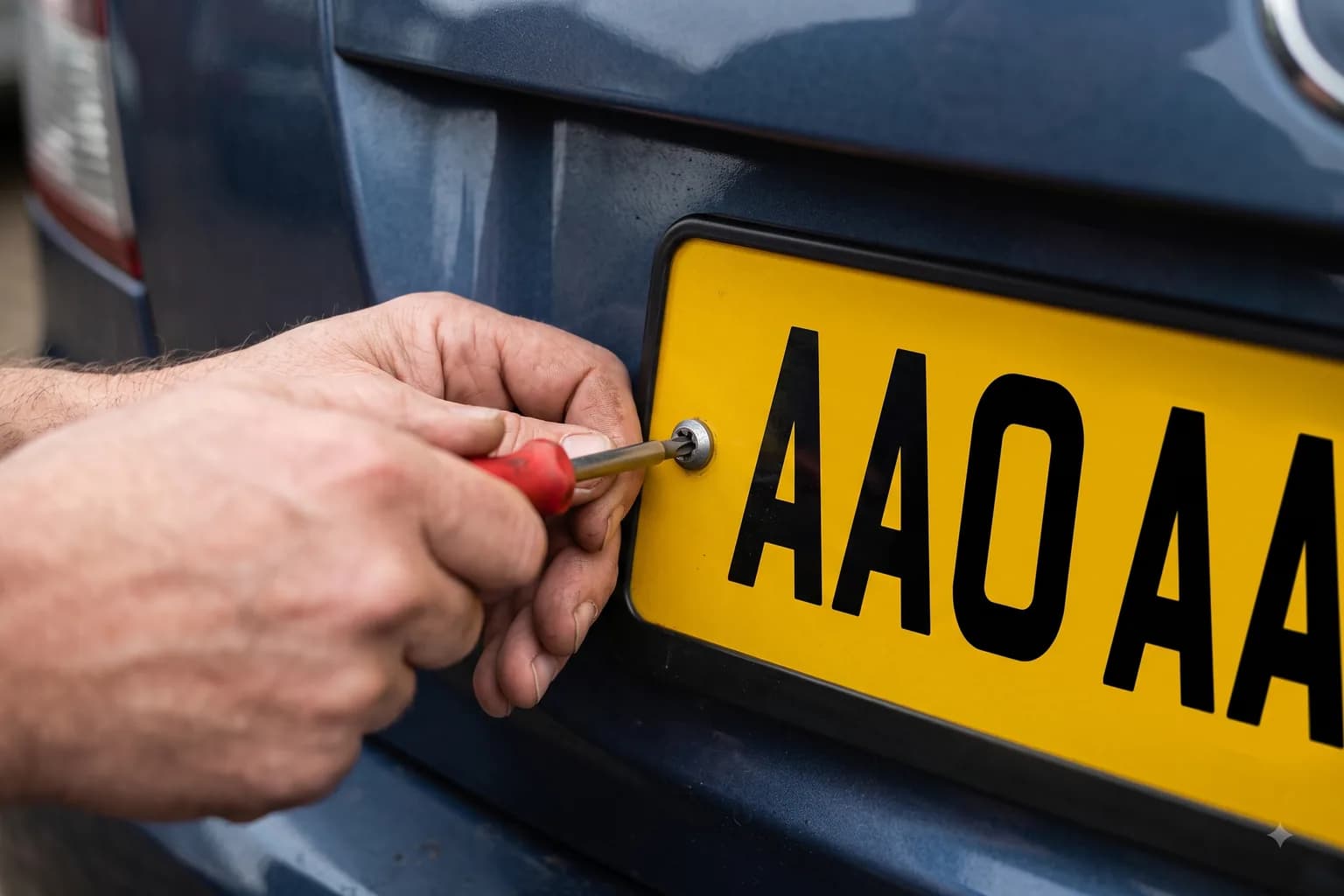
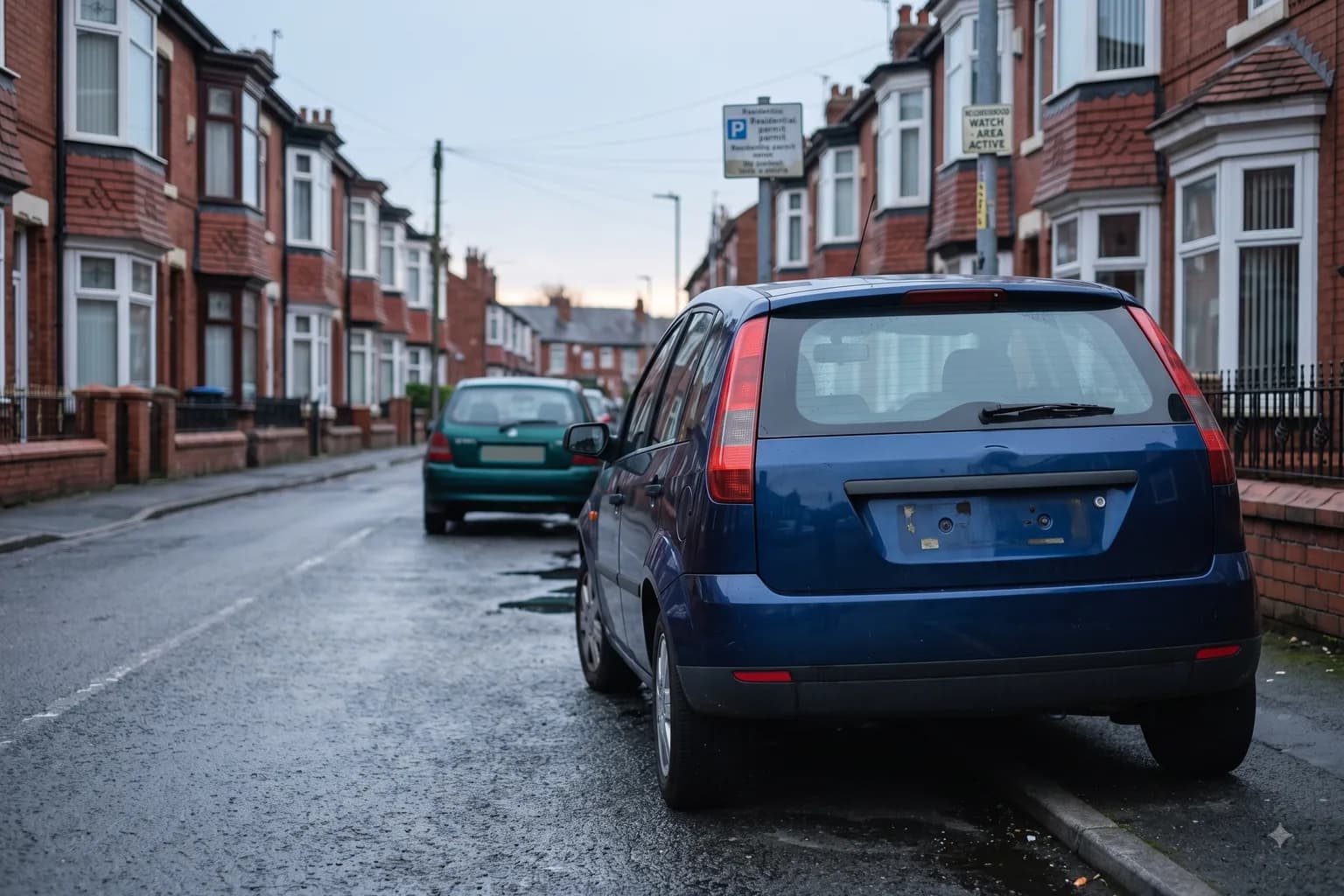
Plate cloning is not a paperwork problem. It is an identity misuse problem tied to your vehicle registration, and it can escalate quickly if you treat each notice as a one-off mistake. For UK drivers, the real risk is not just a single fine. It is repeated enforcement, wasted time, insurance complications, and the stress of having to defend yourself against activity linked to your plate.
What a cloned plate fine dispute example usually looks like
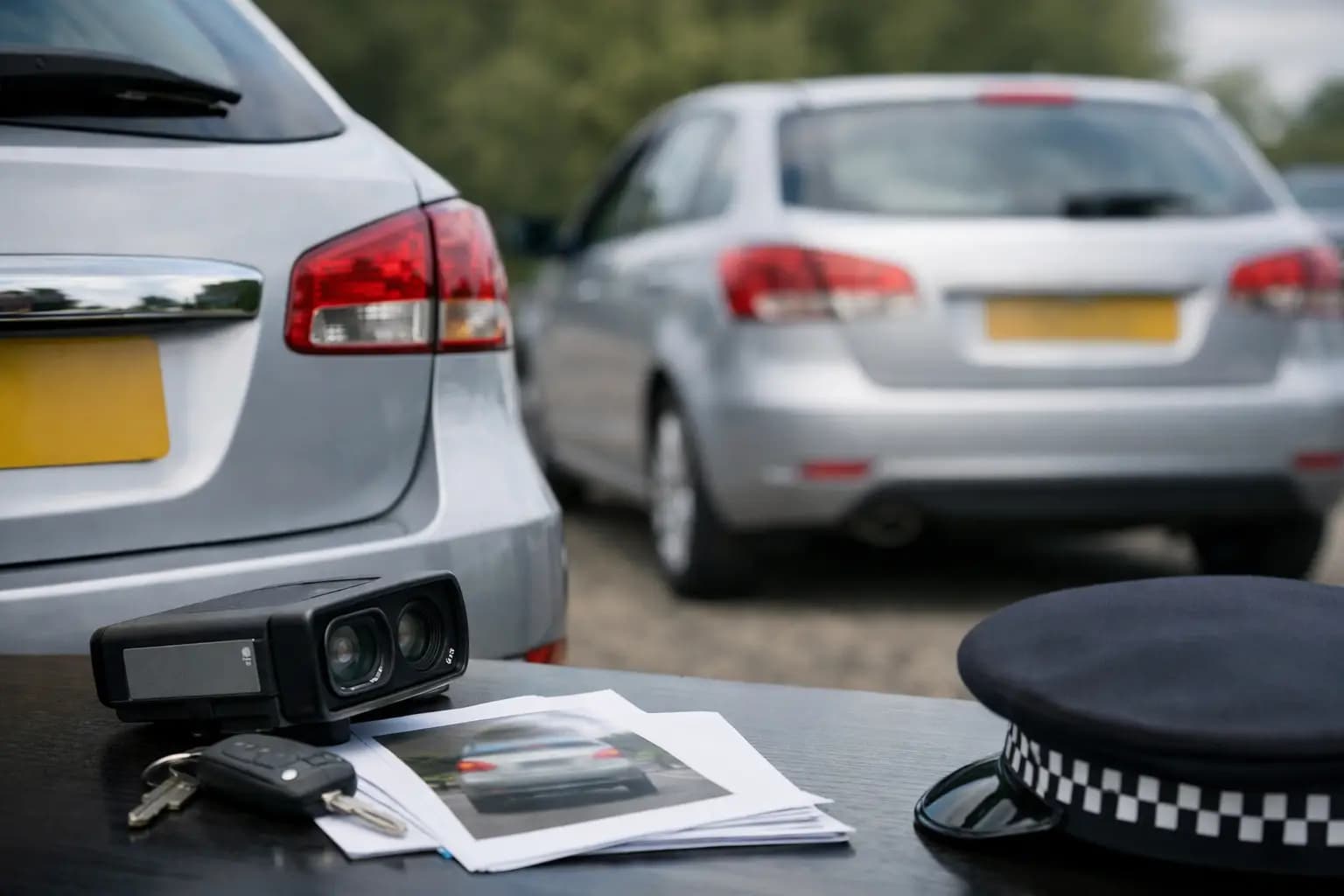
A realistic cloned plate fine dispute example often begins with a Penalty Charge Notice, parking charge, toll demand or clean air zone notice issued against your registration. On the face of it, the authority or operator believes the case is straightforward. Their cameras captured a registration mark. The system matched it to your vehicle. The notice was sent.
The problem is that number plate cloning breaks that chain of trust. Someone has copied your registration and fitted it to another vehicle, often one of a similar make, model or colour to reduce suspicion. That means automated enforcement can treat the cloned vehicle as yours unless you challenge it clearly and quickly.
A common example would be a silver Ford Focus owner in Leeds receiving a fine from Birmingham city centre on a weekday afternoon while the genuine vehicle was parked outside the owner's workplace all day. The notice may include photographs showing a silver Ford Focus with the same registration. At first glance, that sounds difficult to dispute. But closer review may reveal a different trim level, missing stickers, a different wheel design, or slight differences in the body shape that identify it as another vehicle entirely.
Why cloned plate disputes are often harder than drivers expect
Most drivers assume one phone call will sort it out. Sometimes it does. Often it does not.
Enforcement systems are built to process volume. If a registration matches DVLA records, the first assumption is that the notice is valid. That puts the burden on the registered keeper to show why the vehicle in the evidence is not theirs or why their vehicle could not have been at the location in question.
This is where detail matters. Saying, "That was not me" is not enough on its own. A stronger response explains where your vehicle actually was, what distinguishes it from the photographed vehicle, and whether there is a pattern of suspicious activity linked to your registration.
It also depends on the type of fine. Local authority PCNs, private parking charges, tolls and police-linked notices can all follow different challenge routes. The principle is the same, but the process and timescales can vary. Missing those deadlines creates avoidable risk.
The evidence that carries the most weight
In a cloned plate fine dispute example, the strongest cases are built on evidence that is specific, time-linked and easy to verify.
Photographs of your own vehicle taken around the same date can help show distinctive features. Service records, workplace parking logs, dashcam footage, fuel receipts, delivery records and CCTV from your home or business can all support your timeline. If the notice image shows a vehicle with different badges, a tow bar, different alloys or even a different plate style, those points should be stated clearly.
If you have already reported suspected cloning to the police, include the crime reference number. If you have informed the DVLA or relevant enforcement authority that your registration may have been cloned, mention that too. A documented history shows this is not a convenient excuse raised after the fact. It shows a live fraud issue affecting your vehicle identity.
The best responses are calm and technical. They do not rely on outrage. They rely on inconsistencies, timestamps and verifiable facts.
How to challenge a fine when plate cloning is suspected
Start by reviewing the notice carefully. Check the date, time, location and all images. Compare the vehicle shown against your own. Look beyond the registration. Check model variant, trim, lights, wheels, window stickers, bodywork, roof bars and any commercial markings.
Then gather proof of your vehicle's actual location at the relevant time. This might be as simple as your car being on your driveway camera at 14:07 while the alleged contravention took place 120 miles away at 14:12. If your evidence is less direct, build a timeline using receipts, phone location history, workplace records or witness confirmation.
Next, submit a formal challenge within the deadline. Keep the language precise. State that you dispute liability because your registration appears to have been cloned. Explain why the vehicle in the evidence is not yours or why your vehicle could not have been present. Attach supporting documents and ask the issuer to place a hold on enforcement while the matter is investigated.
You should also report suspected cloning through the appropriate channels, particularly if more than one notice has been received or if the image evidence clearly shows another vehicle using your registration. That creates an official record which can become vital if further notices arrive.
A practical cloned plate fine dispute example
Imagine a van operator in Manchester receives two notices in ten days. The first is for an unpaid toll in Dartford. The second is for a parking event in Croydon. The operator knows the van never left Greater Manchester during that period because it was assigned to local service calls.
On inspection, the toll camera image shows a white van with the same registration but a different roof rack setup. The parking image shows the same registration again, but the rear door hinges and side decals do not match the genuine van. The operator pulls together job sheets, depot CCTV, driver logs and telematics data showing the real vehicle's location throughout both incidents.
The dispute letter explains that the registration has likely been cloned, highlights the physical differences between the vehicles, includes the police reference number, and asks both issuing bodies to cancel the notices and flag the registration for enhanced review. That is a strong cloned plate fine dispute example because it does not merely deny the offence. It proves a pattern of fraudulent duplication and backs that up with operational evidence.
Where drivers weaken their own case
The biggest mistake is delay. Some drivers assume a second or third notice will somehow make the issue clearer. In reality, delay can lead to escalating charges, debt recovery activity and a more complicated paper trail.
Another weakness is sending vague objections. If you simply say the plate was cloned without explaining why you believe that, the issuer has little to work with. They may reject the challenge and continue enforcement. Equally, emotional language can distract from the facts. Precision wins.
There is also a practical problem when the cloned vehicle is very similar to your own. In those cases, the dispute can become more forensic. Small differences matter more, and the need for independent evidence becomes stronger. That is exactly why proactive monitoring and detection are valuable. Prevention is more controlled than repeated defence.
Why prevention changes the outcome
Once your registration is being misused, every new notice becomes another reactive task. You are no longer just paying attention to your own vehicle. You are watching for what someone else does with your identity.
That is why a security-led approach matters. Registering your plate credentials within an encrypted tracking database, monitoring for suspicious duplication activity, and receiving instant alerts can shorten the gap between fraud taking place and fraud being identified. That earlier detection helps you act before a cloned plate issue spreads into multiple fines, enforcement notices and administrative disruption.
For private drivers, that means less time spent proving where you were not. For fleet operators, it means tighter control over asset identity and less operational noise. For plate manufacturers, it supports a more secure registration and verification chain from the start.
Protect A Plate is built around that model - registration, detection and alerting - because cloned plate fraud is easier to contain when it is identified early rather than argued case by case after the damage is done.
If a fine lands on your doormat for somewhere your vehicle has never been, treat it as a warning sign, not a one-off annoyance. The faster you establish the facts, the easier it is to protect your record, your time and your plate identity.