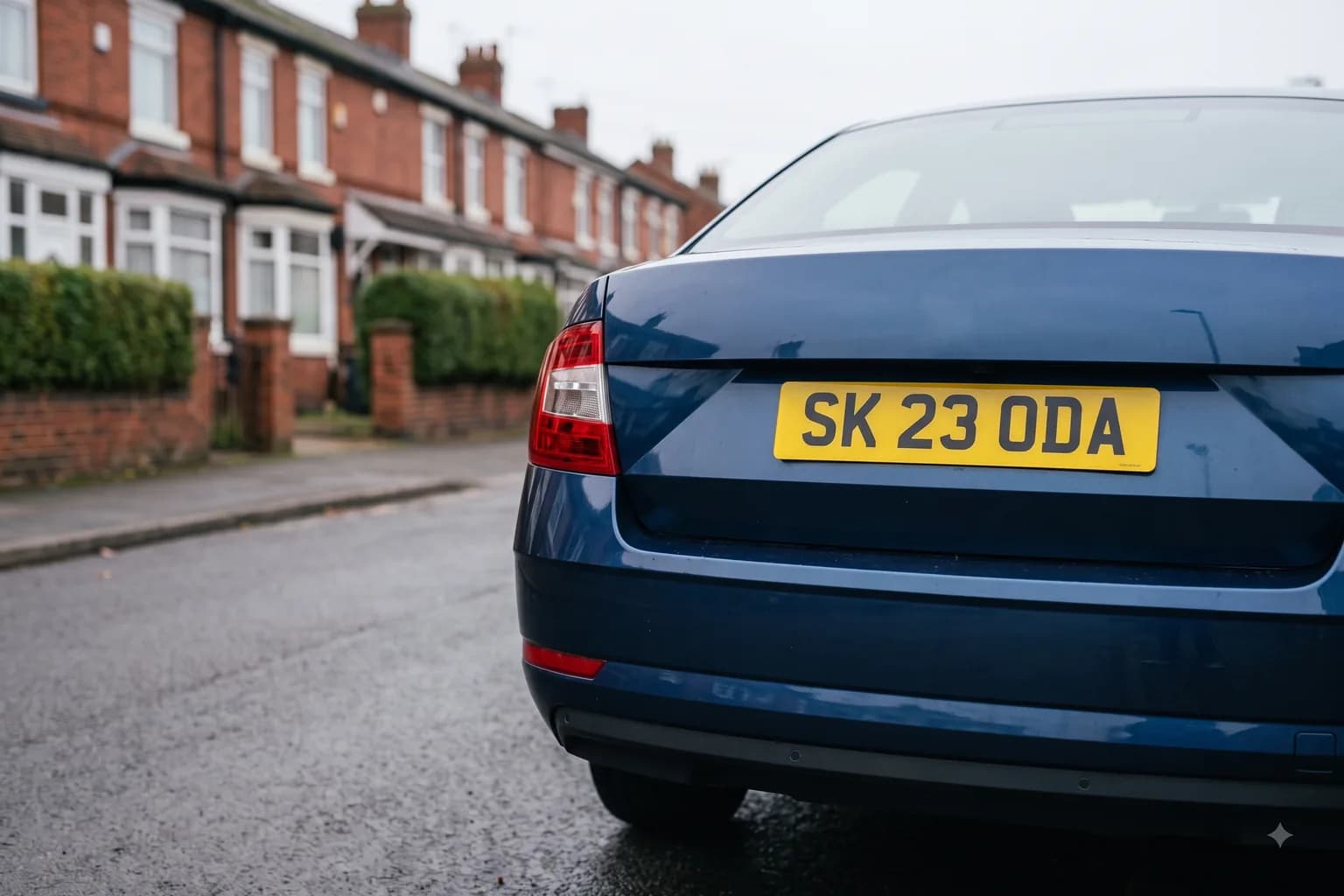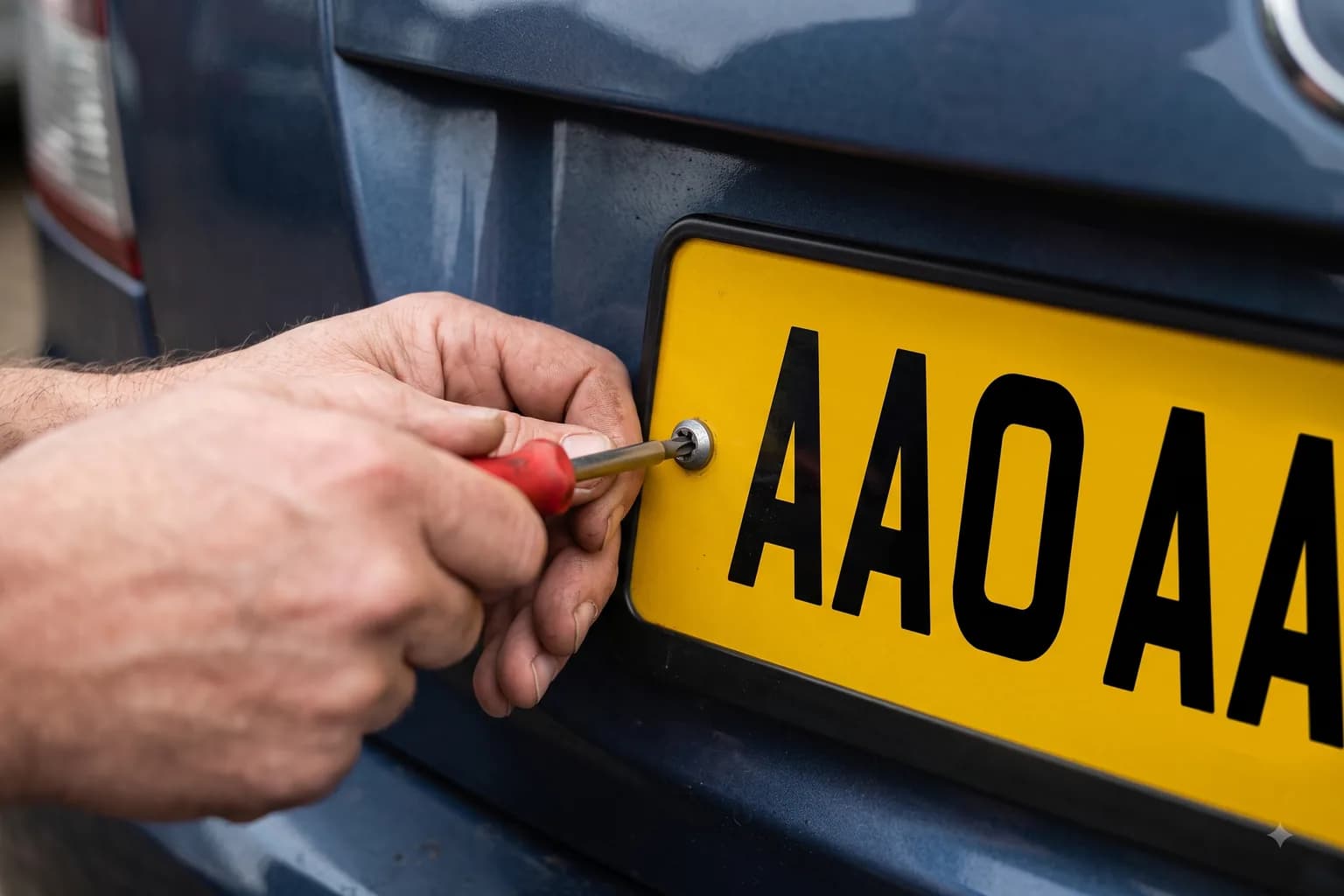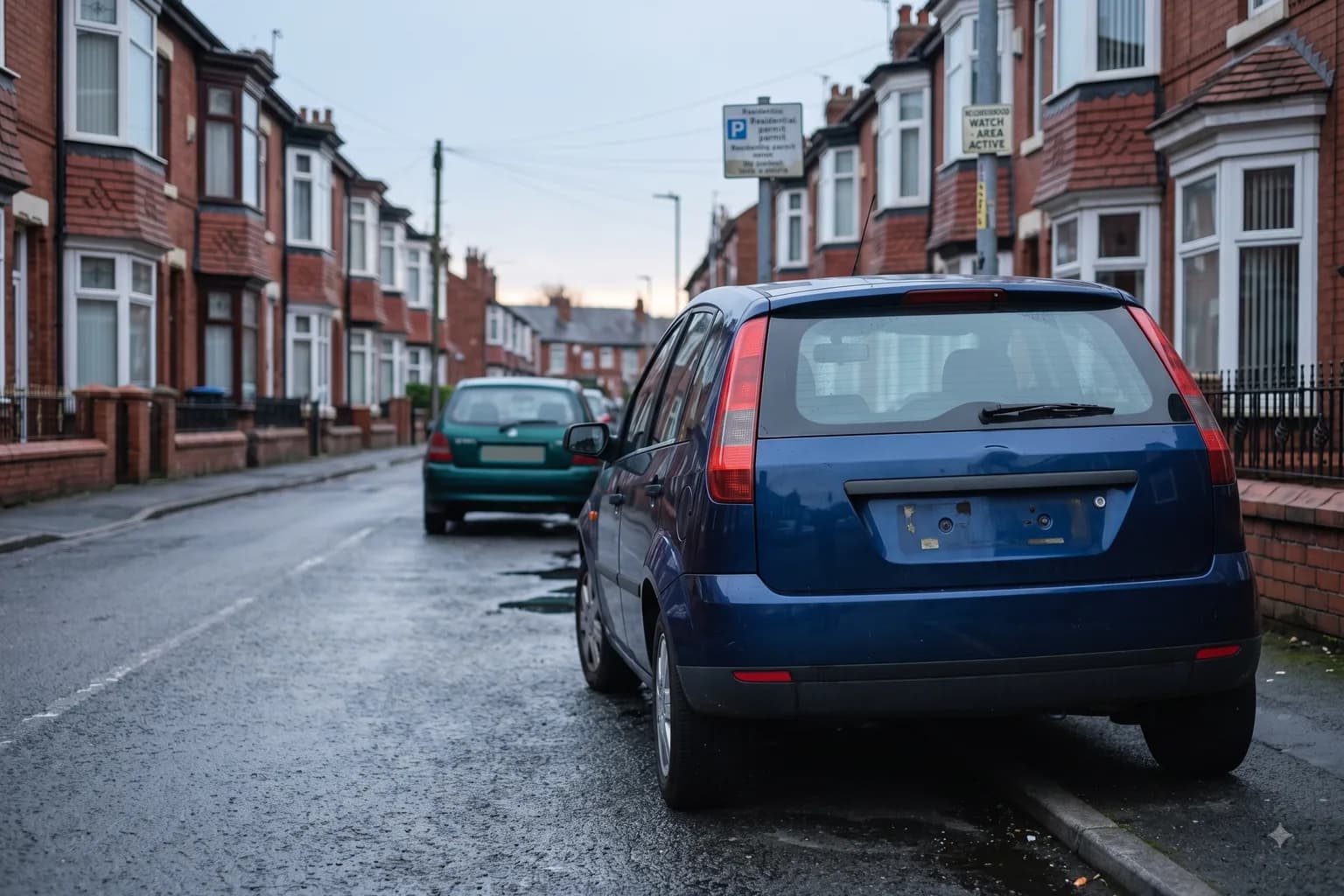
You usually find out about cloned number plates after the damage starts. A parking charge arrives from a town you have never visited. A toll notice lands on the doormat for a journey your vehicle never made. In more serious cases, the police stop you because your registration has been linked to offences committed by someone else. That is the real danger with cloned number plates - they turn your legal vehicle identity into somebody else's cover.
For UK drivers, this is not a minor admin issue. It can affect your finances, your time, your insurance position and your confidence in using your vehicle normally. If you run a fleet, the exposure is wider still. One duplicated registration can create disruption across compliance, operations and driver management. The risk is simple: if your plate can be copied, it can be misused.
What are cloned number plates?
Cloned number plates are duplicate plates made to match the registration of a legitimate vehicle. The person using them places your registration on another vehicle, often one of a similar make, model or colour, so it attracts less attention from cameras, wardens or police patrols.
The purpose is usually to conceal identity. A cloned plate may be used to avoid congestion charges, parking fees and tolls, but it can also be linked to fuel theft, dangerous driving, criminal activity or attempts to hide an uninsured or untaxed vehicle. The issue is not just that someone has copied a registration. It is that they are using your vehicle identity to create distance between themselves and the consequences.
That distinction matters. A replacement plate ordered for a legitimate reason is not the same as cloning. Cloning is fraud. It relies on unauthorised duplication and deliberate misuse.
Why cloned number plates cause such serious problems
The registration plate is one of the key identifiers tied to a vehicle's legal and operational identity. Once that identifier is compromised, automated systems cannot always tell the difference between the real vehicle and the copied one.
That is why cloned number plates can quickly create a chain of false records. Camera systems read the plate, not the driver. Parking operators issue notices based on registration data. Enforcement teams may flag the registration before they have physically verified the vehicle. If the cloned car is involved in repeated offences, your details can be pulled into a problem you did not create.
For private motorists, the first impact is often practical - letters, charges, calls and the burden of proving where your vehicle really was. For businesses, it can become operational. Fleets depend on accurate vehicle records, route visibility and fast resolution when issues appear. A cloned plate undermines that certainty.
There is also a reputational angle. If your registration is repeatedly associated with offences, the inconvenience is obvious. Less obvious is the stress of not knowing where and how your vehicle identity is being used next.
The warning signs drivers should not ignore
Most cases start with a mismatch between your real movements and an external record. You may receive a parking fine from a location you have not visited or a notice for a road charge on a date when the vehicle was elsewhere. Sometimes the first sign is a failed sale, an insurance query or police contact about suspicious activity.
The stronger the evidence that your vehicle could not have been there, the more likely cloning is involved. Time stamps, receipts, dash cam footage and routine location data all help. If your vehicle was on your drive in Leeds, it cannot also have been entering a car park in Bristol.
Visual inconsistencies can matter too. If an image attached to an enforcement notice shows a different trim level, body style, badge placement or plate format, treat it seriously. Fraudsters often try to match the broad appearance of a legitimate vehicle, but they do not always match it perfectly.
What to do if you suspect cloned number plates
Speed matters. The longer cloned number plates remain active without challenge, the more records can build against your registration.
Start by gathering evidence. Keep every notice, image and reference number. Record where your vehicle actually was on the relevant dates. If you have CCTV, telematics, dash cam footage, fuel receipts or service records, preserve them. This is not about overreacting. It is about creating a clean evidential trail before details are lost.
Report the issue to the police and explain clearly that you believe your registration has been cloned. You should also contact the issuing authority behind any fine, charge or enforcement letter and dispute it using your supporting evidence. If your insurer needs notifying under your policy terms, do that early. A calm, documented response is stronger than a rushed one.
It also makes sense to check your physical plates. If one has been stolen, damaged or tampered with, that changes the picture. Some cloning cases involve copied details from plates seen in public. Others start with direct theft or unauthorised duplication.
How cloned number plates happen in the first place
There is no single route. Some criminals copy registrations from vehicles parked on streets, at stations or in public car parks. Others source details online from sales images or social media posts where number plates are clearly visible. In weaker parts of the supply chain, fraudulent buyers may also attempt to obtain duplicate plates without proper scrutiny.
That means prevention has to go beyond replacing a plate after a problem appears. Physical plate quality matters, but so does registration control, verification and ongoing monitoring. If there is no system for detection, drivers are often left waiting for the first penalty notice to reveal the fraud.
This is where the usual advice can fall short. Telling motorists to keep documents safe and challenge fines is sensible, but it is reactive. By that stage, the cloned plate is already in circulation and your identity may already be tied to multiple incidents.
Preventing cloned number plates with active monitoring
The most effective response is preventative security. That means treating your registration as an identity asset that should be registered, monitored and checked for suspicious duplication activity, not just displayed on the vehicle and forgotten.
A security-led approach gives drivers more control. Instead of waiting for enforcement notices, you use a system built around registration, detection and alerting. Registration establishes the plate's legitimate credentials within a controlled framework. Detection monitors for suspicious duplication patterns or status conflicts. Alerting provides immediate notice so action can be taken before the issue escalates.
That model is particularly valuable for fleet operators and security-conscious drivers. The larger the vehicle estate, the more costly delays become. Real-time alerts, encrypted tracking and fast verification reduce uncertainty and shorten response times. They also create a clearer audit trail when evidence is needed.
Protect A Plate has built its service around that principle - proactive defence rather than passive replacement after fraud has already taken hold. For drivers who want certainty, that difference matters.
Why plate verification matters for manufacturers and suppliers
Cloned number plates are not only a driver problem. They are also a supply chain problem. Plate manufacturers and suppliers sit close to the point where legitimate production can be separated from fraudulent duplication. If verification is weak, the system is easier to exploit.
For compliant businesses, secure registration workflows and traceable production records strengthen trust. They also help demonstrate that the right checks were carried out at the right time. In a market where fraud can expose innocent motorists to serious disruption, manufacturers have a direct role in prevention.
This is one of the reasons platform-based oversight matters. A centralised, searchable plate status tool can support both customer confidence and operational accountability. It gives different stakeholders access to the information they need without reducing the standard of control.
The reality for drivers - and the smarter response
Not every suspicious notice means your registration has been cloned. Admin errors happen. Camera reads can fail. Plates can be misread in poor conditions. But when patterns emerge, hesitation helps the fraudster, not the driver.
The better approach is to assume vehicle identity deserves the same level of protection as any other critical personal asset. A number plate may look simple, but the systems around it are not. Once your registration is compromised, the fallout can spread across enforcement, insurance, policing and day-to-day vehicle use.
Drivers should not have to wait for a stack of penalties to discover their plate has been copied. With the right controls, suspicious duplication can be detected earlier, checked faster and challenged with stronger evidence. That is how you turn a vulnerable registration into a protected one.
If your plate is your vehicle's public identity, treat it accordingly. The safest moment to act is before somebody else starts driving under your name.