A penalty notice landing on your doormat for a place you have never visited is often the first sign something is wrong. By then, the damage may already be underway. If you need to check if a number plate is stolen, speed matters - not only to protect your vehicle identity, but to reduce the risk of fines, police stops and the wider fallout that comes with plate fraud.
A stolen or cloned registration plate is not a minor inconvenience. It can link your vehicle identity to unpaid charges, criminal activity and repeated enforcement action. For private motorists, that means wasted time and avoidable stress. For fleet operators, it can become an operational problem very quickly, especially when multiple drivers and vehicles are involved.
Why drivers need to check if a number plate is stolen
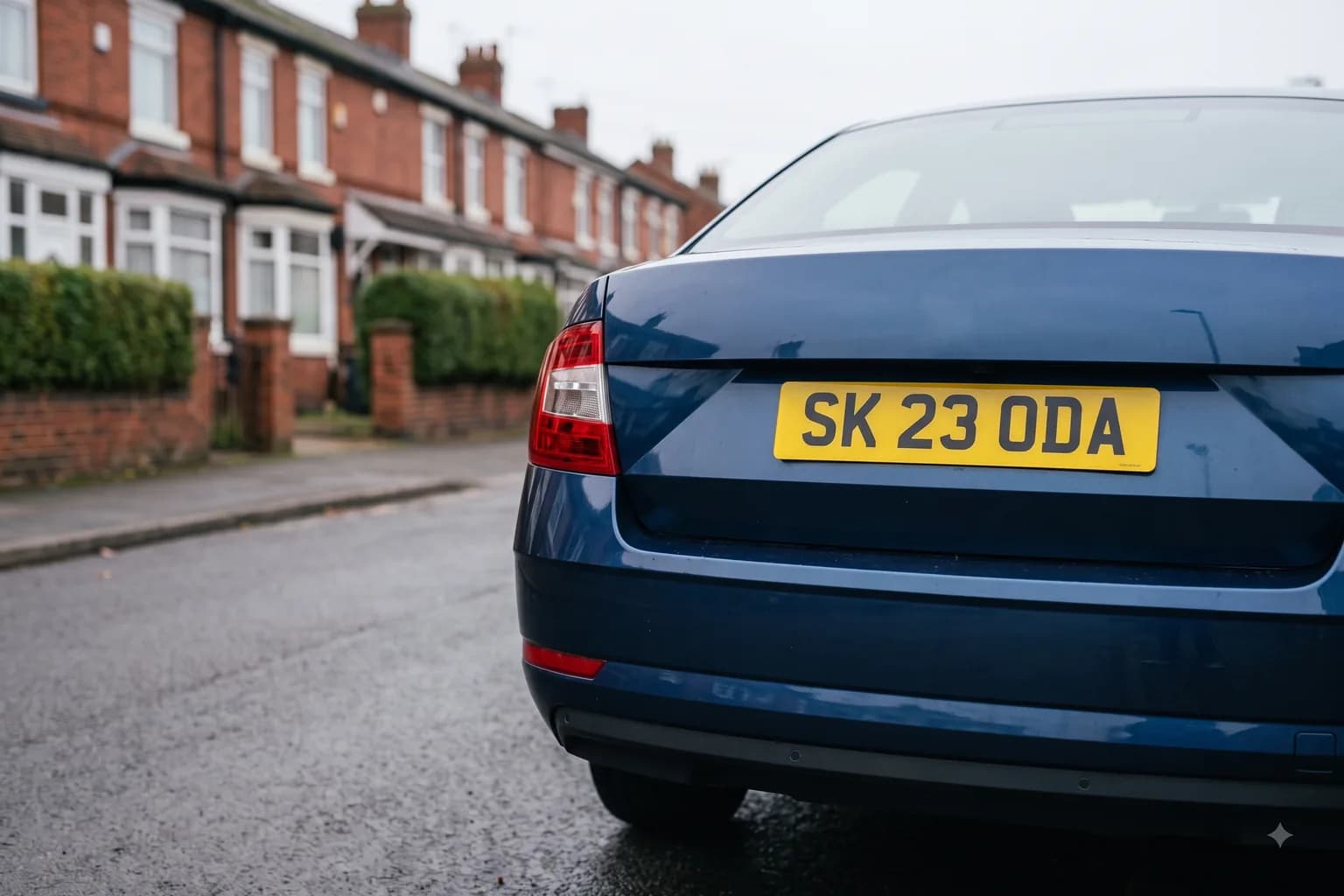
A registration plate is more than a legal requirement fixed to the front and rear of a vehicle. It is a vehicle's public identity. Once that identity is copied, stolen or misused, the consequences can spread far beyond the cost of replacing the physical plate.
In the UK, cloned and stolen plates are commonly used to mask another vehicle's movements. That can trigger parking penalties, toll charges, congestion charges and police attention against the innocent registered keeper. In more serious cases, the registration may be linked to offences that demand immediate explanation.
The challenge is that many drivers do not realise there is a problem until a letter arrives or a roadside camera records a vehicle using their registration elsewhere. That delay is exactly why proactive checks matter. The earlier you verify a plate's status, the more control you keep.
What stolen, cloned and misused plates actually mean
These terms are often used together, but they are not identical.
A stolen number plate usually refers to the physical plate being taken from a vehicle. That theft may be opportunistic, or it may be the first step in a wider fraud.
A cloned plate means your registration has been copied onto another vehicle, whether or not your original plate was physically removed. In practice, cloning is often the bigger risk because the genuine owner may still have both plates attached and assume everything is fine.
Misuse sits across both problems. A plate can be stolen, duplicated or reproduced without proper authorisation, then used to disguise another vehicle's identity. From an enforcement point of view, the result is much the same - your registration becomes associated with activity you did not commit.
How to check if a number plate is stolen
There is no single public button that confirms every plate theft instantly, so checking properly means looking at the warning signs and verifying the plate's status through trusted systems.
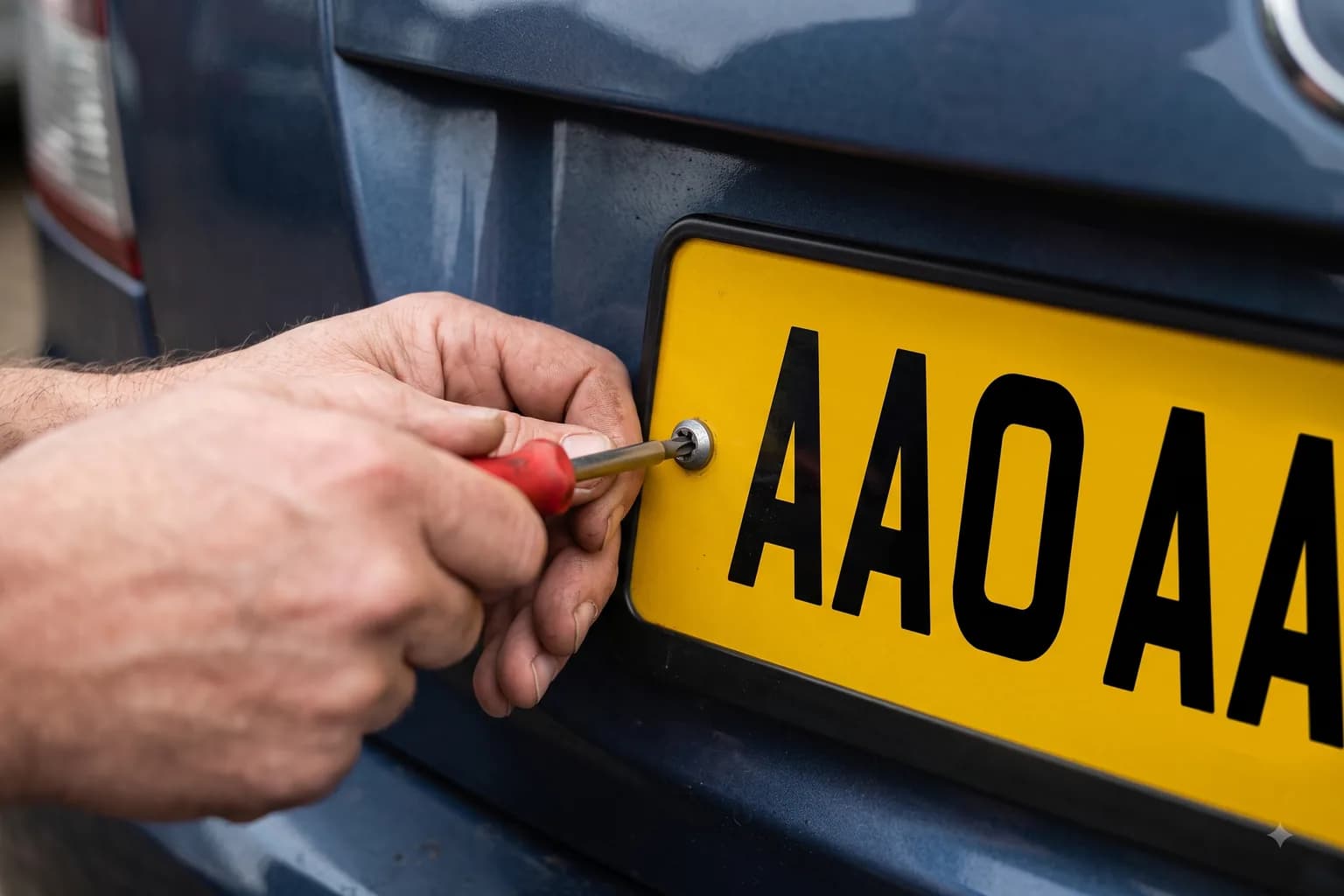
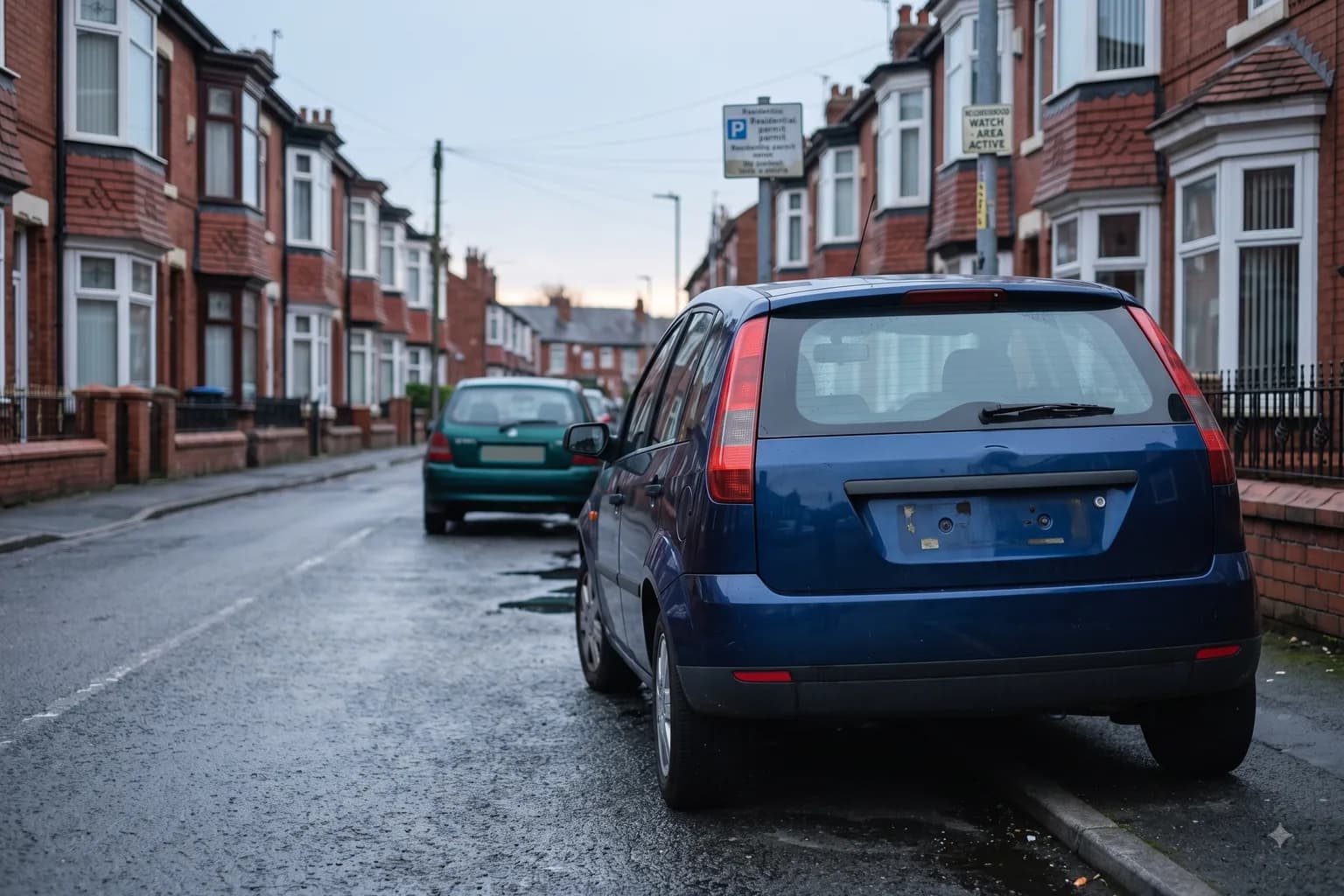
Start with the physical plate itself. If your front or rear plate is missing, damaged, loose or has clearly been tampered with, assume there is a risk immediately. Do not wait to see whether a letter appears later. A missing plate should be treated as a security incident.
If both plates are present, the next issue is unexplained activity. That might mean receiving a parking charge from a town you have not visited, being contacted about speeding in a location you were nowhere near, or spotting camera evidence that does not match your vehicle's make, model or colour. Those are classic indicators that your registration may have been cloned.
You should also verify your vehicle details against any enforcement notice you receive. If the registration matches but the vehicle description does not, that is a strong sign of misuse. Many cloning victims first spot the problem because a notice refers to a different body shape, fuel type or manufacturer.
For stronger reassurance, use a specialist plate status and monitoring service rather than relying on guesswork. Protect A Plate is built for exactly this purpose, using proprietary tech and an encrypted global tracking database to support registration, detection and instant alerting when suspicious duplication activity appears.
Signs your registration may already be compromised
In many cases, the evidence is indirect at first. You still have your vehicle. The plates look normal. Nothing appears obviously broken. Yet the pattern around the registration starts to change.
Unexpected penalty charge notices are one of the clearest warning signs. So are toll or congestion charges from routes you have not driven. If those notices keep appearing, the problem is unlikely to resolve itself.
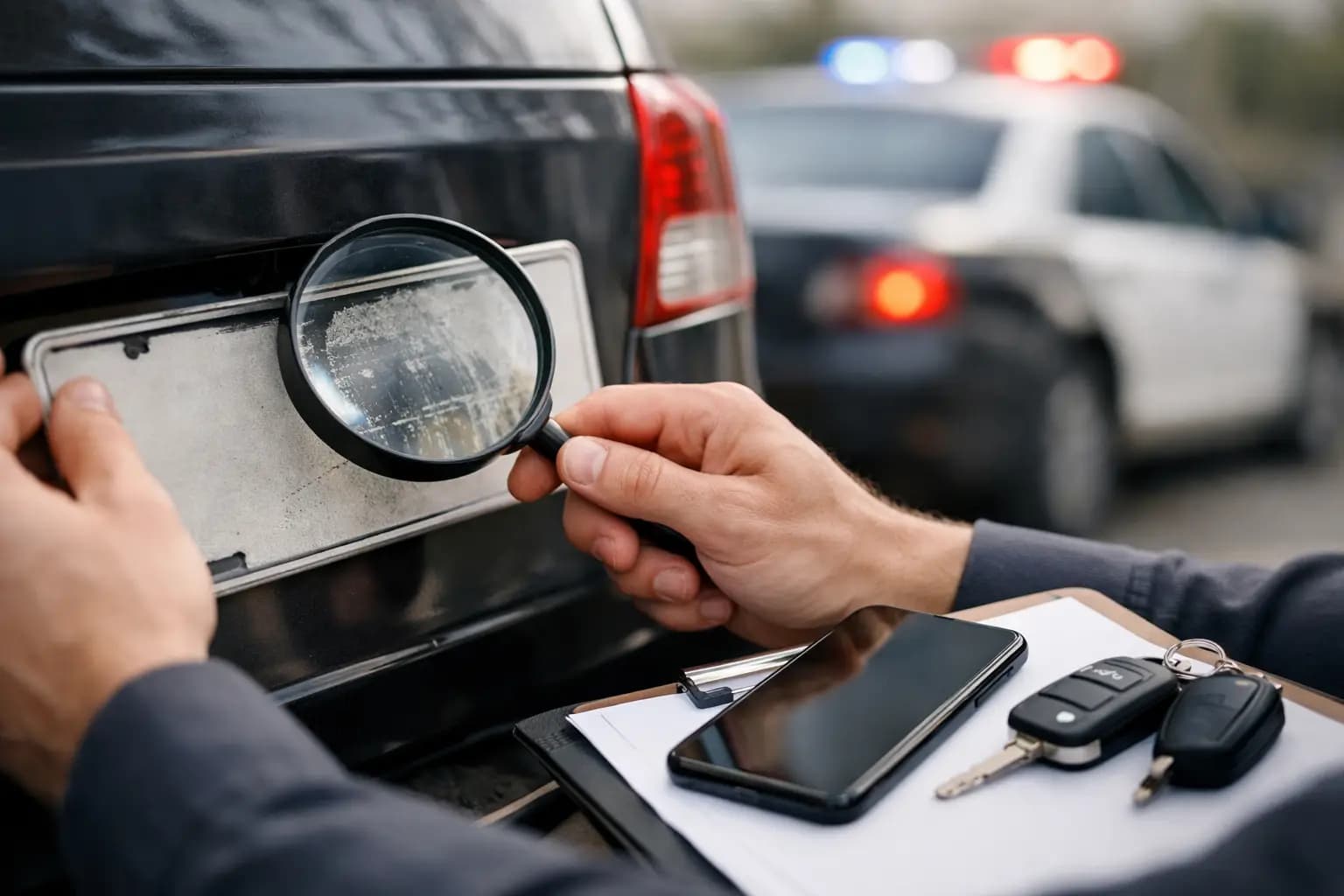
You may also notice unusual attention during routine checks. A police stop does not automatically mean your plate has been misused, but if officers mention conflicting records, another vehicle linked to the same registration, or concerns around ANPR data, you need to act quickly.
Fleet managers should watch for duplicate compliance events, unexplained route anomalies and recurring disputes from clients or enforcement bodies. One compromised registration can create disproportionate administrative drag across an entire operation.
What to do if you suspect your number plate is stolen
First, report the issue to the police. If the physical plate has been taken, this creates an official record of theft. If you believe the plate has been cloned, reporting it establishes that you are contesting fraudulent use rather than ignoring enforcement action.
Next, contact the relevant issuing or enforcement bodies connected to any fines or notices. Provide evidence that your vehicle was elsewhere if possible. Time-stamped photographs, telematics, dash cam footage and receipts can all help build a clear timeline.
Then replace the compromised plates through a legal supplier and review whether your current plate security is strong enough. Standard fixings can be vulnerable. Anti-tamper fittings and a monitored registration record provide a more defensive position.
Most importantly, do not treat this as a one-off admin task. Plate fraud often continues unless the registration is actively monitored. Replacement without detection simply resets the problem at surface level.
Why passive checks are not always enough
Many drivers assume they only need to respond when something goes wrong. That sounds reasonable until you consider how number plate fraud works in practice.
If you only check after a fine arrives, the fraudulent use has already happened. The registration may have been circulating for days or weeks. During that period, your identity as a vehicle keeper has been exposed to repeated misuse.
That is the weakness in passive protection. It depends on someone else noticing first - a parking operator, a camera system, a police officer or an enforcement team. By contrast, active monitoring is designed to detect suspicious duplication activity earlier, before the consequences stack up.
For drivers who rely on their vehicle daily, and for fleets that cannot afford downtime, that difference matters. Prevention is faster than dispute resolution, and usually far less expensive.
Check if a number plate is stolen before the problem escalates
The most effective response is to move from uncertainty to verification. If you think something is wrong, treat the plate as a live security risk until proven otherwise.
That means checking physical integrity, challenging any notices that do not fit your vehicle's movements, confirming inconsistencies in vehicle details, and using a system built around registration, detection and alerting. It is a more controlled approach than waiting for the next letter through the post.
There is also a wider point here for plate manufacturers and trade partners. Secure registration workflows and proper verification at the point of production reduce the opportunity for unlawful duplication. Fraud prevention is stronger when the whole chain takes identity protection seriously, not just the end driver.
The reality is simple. If a number plate can be copied, stolen or reproduced without scrutiny, the keeper carries the risk until the issue is challenged. If the plate is registered, monitored and traceable, the balance shifts back towards control.
A number plate should identify your vehicle, not expose it. If anything about your registration looks wrong, feels inconsistent or starts generating unexplained attention, act early. The sooner you verify the threat, the easier it is to protect your vehicle identity before someone else uses it against you.