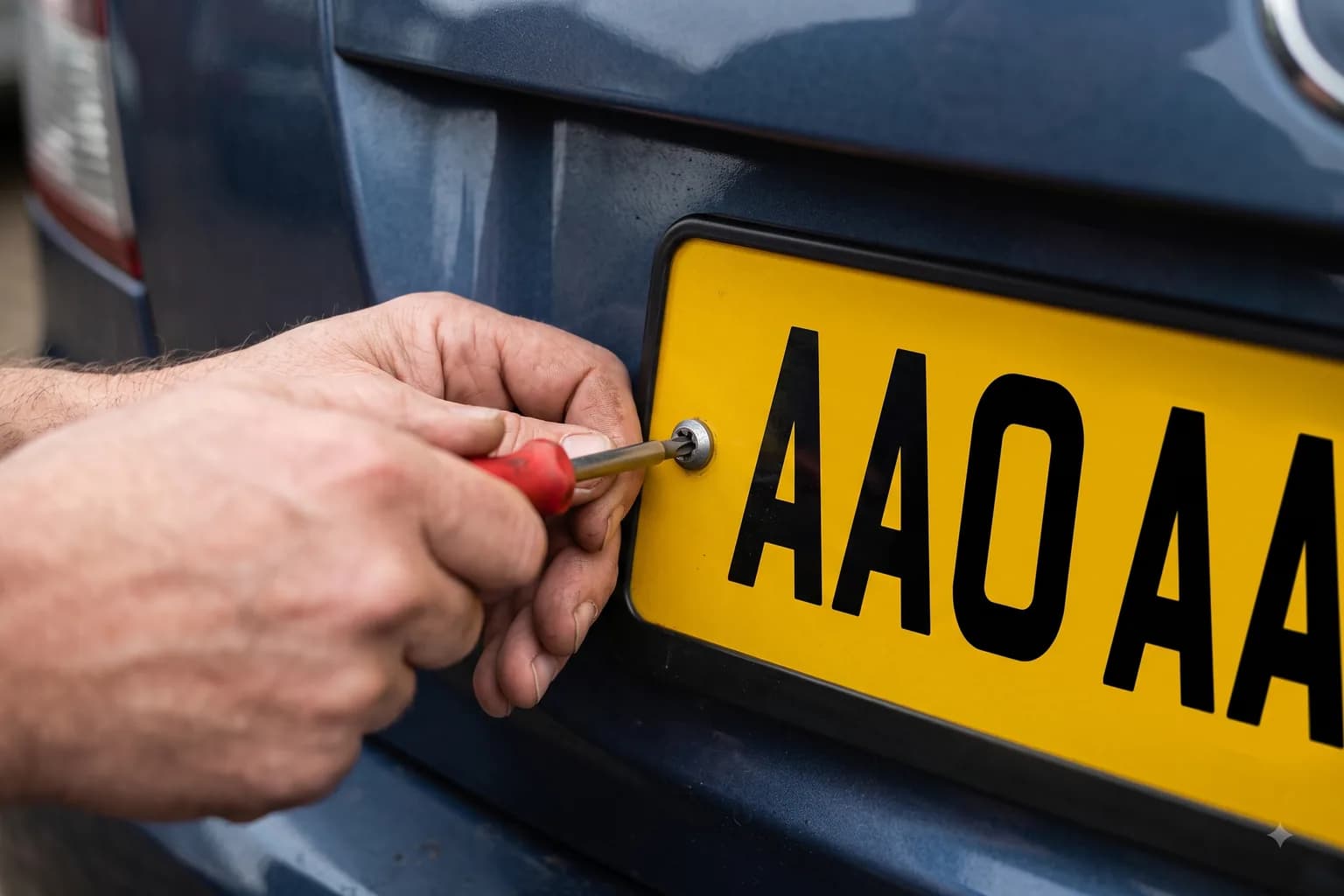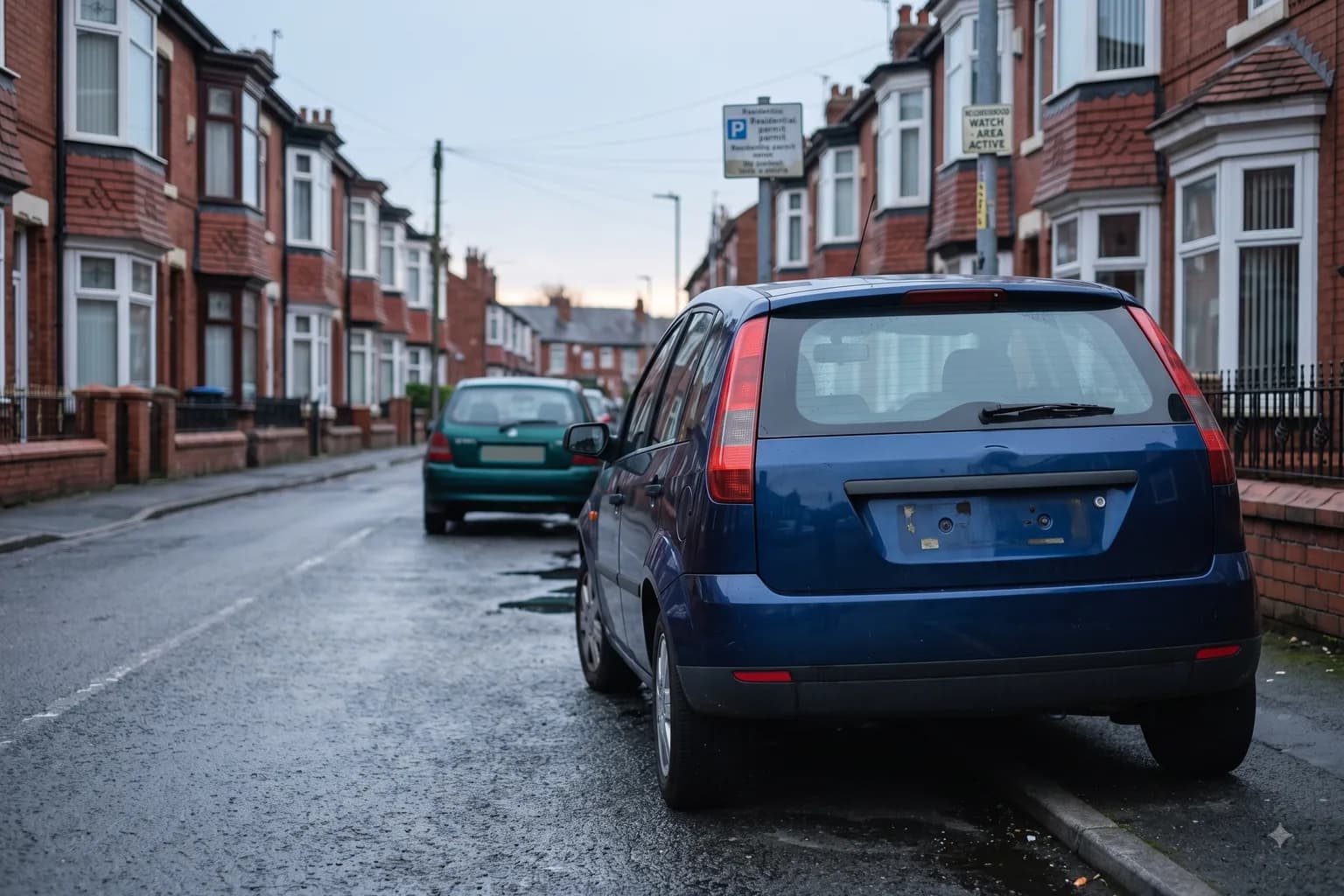
A penalty notice lands on the doormat for a place you have never been. A speeding allegation arrives from a road you did not use. Then another follows. If you are asking can cloned plates trigger penalties, the answer is yes - and they can trigger far more than a single administrative headache.
When a criminal copies your registration and places it on another vehicle, cameras and enforcement systems do not know they are looking at a clone. They read the plate, match it to DVLA records, and the notices come to the registered keeper. That means an innocent driver can end up dealing with parking charges, congestion or clean air zone penalties, speeding notices, toll demands and police attention, all because their vehicle identity has been misused.
Can cloned plates trigger penalties from cameras and enforcement?
Yes. In practical terms, cloned plates can trigger penalties wherever a plate is used as the primary identifier. That includes ANPR systems, local authority enforcement cameras, private parking systems, toll routes and police roadside checks.
The problem is not that the system is broken. The problem is that the system is doing exactly what it was designed to do - reading the registration displayed on the vehicle. If that registration has been fraudulently duplicated, the enforcement trail points towards the legitimate keeper first.
This creates a serious gap between detection and proof. The first contact often comes in the form of a fine, notice or allegation. The burden then shifts to the innocent keeper to challenge it, provide evidence and start disentangling their vehicle from somebody else’s offending.
What kinds of penalties can cloned plates trigger?
The most common issues are civil and traffic enforcement notices. A cloned registration may be linked to parking contraventions, ULEZ or clean air zone charges, Dart Charge or other toll fees, bus lane penalties and speeding offences. Depending on how the clone is being used, the consequences can escalate quickly.
A cloned plate may also trigger police action. If the duplicate vehicle is connected to theft, fuel drive-offs, organised crime or uninsured driving, your registration can be flagged on police systems. That can lead to your vehicle being stopped while officers verify whether it is the legitimate one.
For private motorists, that is disruptive and stressful. For fleet operators, it can become an operational issue. Multiple penalty notices, vehicle downtime and repeated challenges consume time and damage confidence in record accuracy.
Why innocent keepers get the notice first
Enforcement agencies work from the registration captured at the point of incident. They do not usually have instant visibility of cloning unless there is already a marker, conflicting evidence or a known fraud report attached to the registration.
That is why cloned plate cases are so frustrating. From the authority’s perspective, the first step is logical. From the keeper’s perspective, it feels like being blamed for somebody else’s actions. Both things can be true at once.
This is also why speed matters. The earlier cloning is identified, documented and flagged, the easier it becomes to challenge later notices and build a clear evidential history around your legitimate vehicle.
The signs your plate may have been cloned
Sometimes the first sign is a penalty. Sometimes it is a fuel receipt, parking record or location timestamp that does not match your movements. In other cases, a driver is stopped by police and told their vehicle appears to be in two places at once.
Differences in vehicle description are often the clearest clue. The notice may refer to a different make, model or colour. You might own a blue Ford, while the image attached to the alleged offence shows a black BMW. That mismatch matters.
But not every case is that obvious. Some cloners deliberately copy similar vehicles to reduce suspicion. If the duplicate is the same model and colour, challenging the allegation may require more detailed proof, such as telematics data, dated CCTV, witness confirmation, service records or location evidence from the time of the incident.
What to do if cloned plates trigger penalties against you
Act quickly and keep everything. Do not ignore the notice, even if it is plainly wrong. Deadlines still apply, and silence can make the situation harder to resolve.
Start by gathering evidence that places your vehicle elsewhere. That may include dash cam footage, work logs, delivery records, parking receipts, home CCTV, toll history or mobile app journey data. If the alleged vehicle image is available, compare it carefully with your own vehicle for differences in trim, stickers, body shape or damage.
You should also report the cloning to the police and inform the relevant authority that issued the notice. In many cases, you will need a crime reference number to support your challenge. If multiple notices are involved, keep a single chronology with dates, reference numbers and copies of every response.
It is also sensible to contact the DVLA for guidance where appropriate and to remain alert for any further misuse. One disputed penalty does not necessarily mean the problem has stopped.
Can cloned plates trigger penalties even after one notice is cancelled?
Yes, and this is where many drivers get caught out. Having one penalty withdrawn does not automatically protect you from the next one. Different authorities, different police forces and different private operators may each encounter the cloned registration separately.
Without a joined-up prevention and monitoring approach, the same legitimate keeper can end up proving the same fraud repeatedly. That is one reason reactive systems often feel inadequate. They help after damage appears, but they do not stop the misuse from happening in the first place.
A stronger approach is early registration, active detection and immediate alerting when suspicious duplication activity appears. That is the logic behind specialist systems designed to protect vehicle identity before the problem multiplies.
Why prevention matters more than replacement
Many drivers only discover plate cloning after harm has already been done. By then, the issue is not just the plate itself. It is the administrative trail, the legal risk, the time spent disputing notices and the uncertainty around what the cloned vehicle may do next.
Replacing physical plates can be part of a solution, but it is not always enough on its own. If fraudsters have already copied your registration, the wider challenge is identifying misuse early and responding fast. Security works best when it is proactive.
That is why technology-led monitoring matters. An encrypted tracking database, structured registration records and instant alerts provide a much stronger defensive position than waiting for the next penalty notice to reveal the problem. For drivers and fleets alike, visibility is control.
The business impact for fleets and plate suppliers
For fleet operators, cloned plates create more than nuisance. They can generate repeated administration, delay vehicle operations and create reputational concerns if customers or regulators see a registration linked to offences. One cloned fleet vehicle can quickly affect internal compliance teams, drivers and finance departments.
For legal plate manufacturers, the issue reaches the supply chain. Unauthorised duplication damages trust in lawful plate production and highlights the need for secure registration workflows. Where plate identity can be verified and tracked properly, fraudulent duplication becomes easier to detect and challenge.
This is where specialist systems add real value. Protect A Plate is built around registration, detection and alerting, giving legitimate owners and authorised stakeholders a clearer, faster way to identify suspicious activity tied to a registration.
How to reduce your risk now
No system can remove criminal intent entirely, but you can reduce exposure. Be cautious about where your registration is visible in public sales adverts. Keep records of your vehicle’s appearance, including distinguishing features. Save dated photos. If you run a business fleet, make sure driver logs and journey records are easy to retrieve.
Most importantly, do not treat plate cloning as a rare administrative oddity. It is a live vehicle identity threat. If one in every 12 plates in the UK is cloned, the question is not whether the issue exists. It is whether you will know quickly enough to stop the consequences escalating.
A cloned plate can trigger a penalty in seconds. Proving your innocence can take far longer. The smartest move is to put detection on your side before somebody else puts your registration to work.