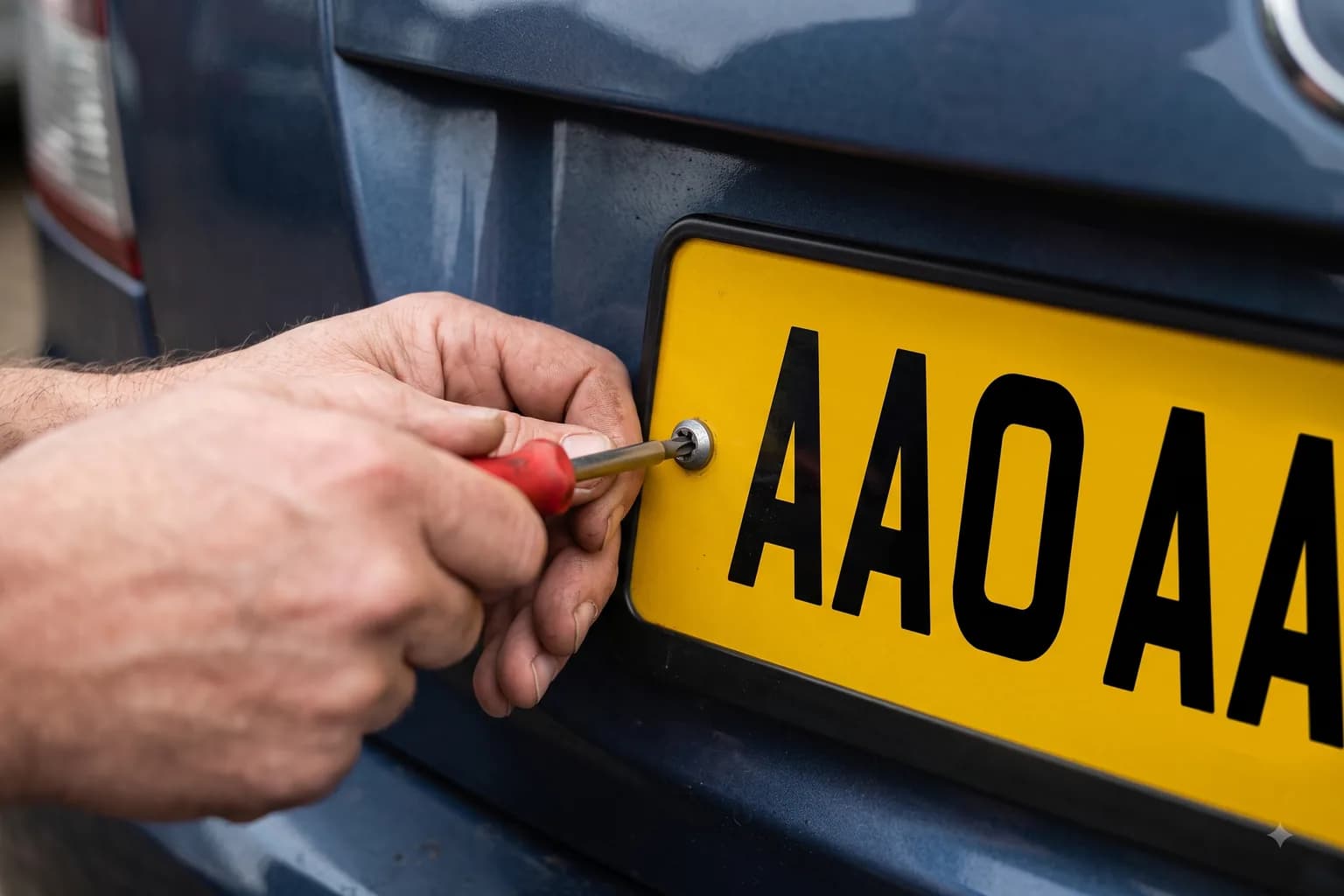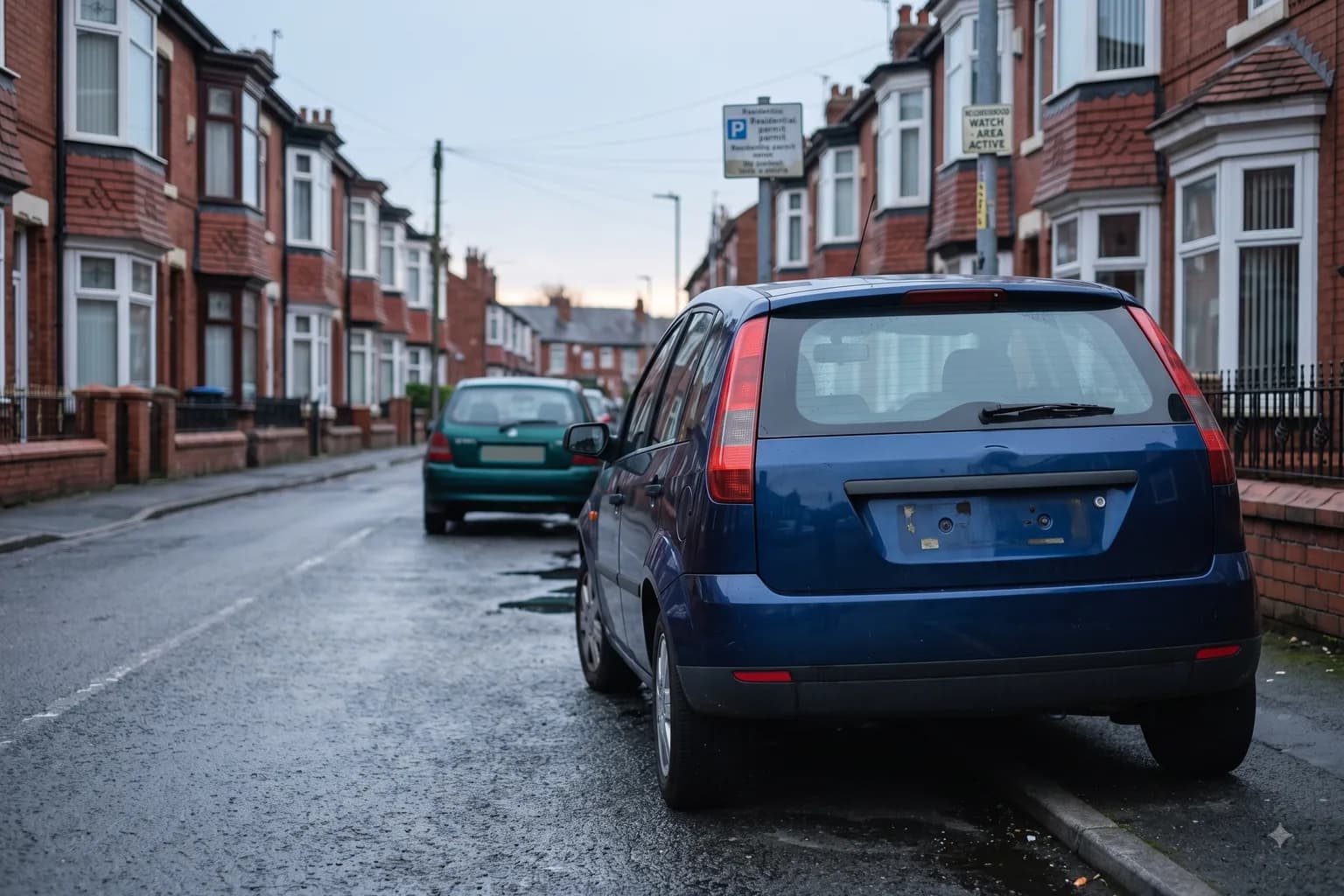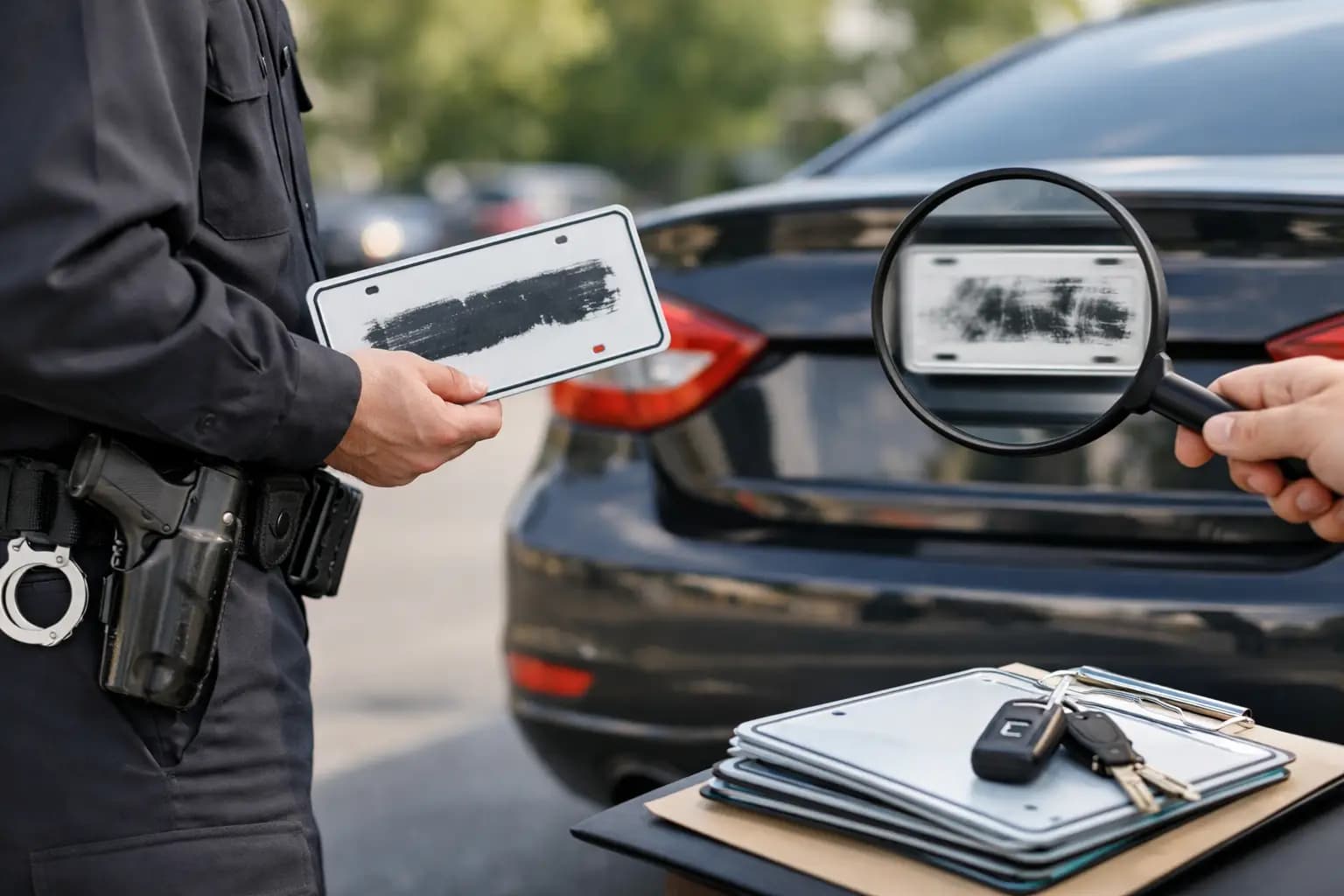
A cloned plate rarely announces itself politely. It shows up as a parking charge you know you did not earn, a speeding notice from a town you have never visited, or a call that leaves you proving where your vehicle was and when. That is why the best ways to stop plate fraud are the ones that work before the damage is done, not after the paperwork starts landing.
Plate fraud is not a minor inconvenience. In the UK, it can trigger financial loss, police attention, insurance complications and long, frustrating disputes with enforcement bodies. For private drivers, that means wasted time and stress. For fleets, it can mean operational disruption, reputational risk and a growing administrative burden. The right response is prevention backed by fast detection.
Why plate fraud is hard to catch late
Once a cloned registration is in circulation, the problem moves quickly. A criminal vehicle can pass cameras, enter car parks, avoid tolls or be linked to offences while your legitimate vehicle is somewhere else entirely. By the time you receive a notice, the fraud may already have spread across multiple locations.
That is the core challenge. Number plates are visible by design, but visibility also makes them easy to copy. Traditional protection has often focused on replacement after misuse, yet replacement does not undo fines, disputes or suspicion already attached to a registration. A more effective approach is to make cloning harder, monitor for irregular activity and create a clear verification trail around the plate itself.
The best ways to stop plate fraud before it escalates
The strongest defence is layered. No single step eliminates risk on its own, but combining secure registration, verification and alerting gives drivers far more control.
1. Register your plate credentials in a secure system
If your plate exists only on your vehicle and in standard DVLA records, there is limited practical protection against unauthorised duplication in the wider market. Registering your number plate credentials in a dedicated, encrypted tracking database creates a stronger identity record around that registration.
This matters because fraud is easier when there is no active framework for validation. A registered plate can be tied to known details, monitored for suspicious activity and checked against expected ownership data. It shifts your position from passive owner to active controller of your vehicle identity.
For everyday motorists, that means faster evidence if something looks wrong. For fleets, it means a scalable way to manage risk across multiple vehicles without relying on manual checks alone.
2. Use plate status verification, not guesswork
One of the best ways to stop plate fraud is to make verification simple and immediate. If a plate can be checked against a live status tool, there is less room for uncertainty when duplication is suspected.
Verification helps in two directions. It allows legitimate owners to confirm that their plate has been properly registered and protected, and it supports supply-chain confidence for compliant plate manufacturers handling legal production workflows. In both cases, the value is the same: trusted visibility.
Not every driver needs the same level of verification. A private owner may only check when something appears suspicious. A business with a fleet or manufacturing role may need routine checks built into daily operations. The principle remains constant - if a plate cannot be quickly verified, fraud gains space to operate.
3. Act on instant alerts, not delayed discovery
Delay is one of the biggest advantages fraudsters have. If suspicious duplication activity is only discovered weeks later, the trail is colder and the consequences are broader. Real-time or near real-time alerts reduce that gap.
Email, SMS and push notifications matter because they create an immediate signal that something requires attention. That could be a suspected duplication event, an irregular status trigger or behaviour inconsistent with the legitimate plate record. The exact trigger logic will vary by system, but the operational benefit is clear: the sooner you know, the sooner you can respond.
There is a trade-off here. Some drivers worry about false alarms or notification fatigue. That is fair. Any alert system needs sensible thresholds and clear workflows. But for most motorists, a manageable alert is far preferable to discovering cloned activity only when legal or financial consequences have already started.
Best ways to stop plate fraud at the source
Prevention is strongest when it addresses how fraudulent plates enter circulation in the first place.
4. Choose compliant, security-conscious plate manufacturing
Unauthorised duplication often depends on weak controls in the production chain. That makes plate manufacturing standards more important than many drivers realise.
If you are replacing or ordering plates, use a supplier that takes identity checks, registration workflows and production controls seriously. For manufacturers, secure registration procedures are not just an administrative step. They are part of fraud prevention. Weak intake processes create opportunities for bad actors to obtain plates they should never receive.
This is especially relevant for trade customers and plate suppliers. A platform-based system with dedicated manufacturer functionality can improve compliance, track production and create better accountability. For end users, that translates into a safer plate ecosystem overall.
5. Keep your vehicle records accurate and accessible
Plate fraud becomes harder to challenge when your own records are incomplete. Keep copies of plate purchase details, installation dates, vehicle photographs and any registration or protection confirmations. If a dispute arises, speed matters, and organised records shorten response time.
This is not the most sophisticated defence, but it is a practical one. Authorities, insurers and enforcement teams often need proof that your vehicle identity is genuine and that suspicious activity does not match your movements. A clear record set supports that quickly.
For fleet operators, centralising this information is even more important. The larger the vehicle base, the more damaging fragmented records become when a cloned plate issue appears.
6. Respond to anomalies immediately
Many plate fraud cases worsen because the first warning sign is dismissed. A single parking notice from an unfamiliar location, an odd toll charge or a query about your vehicle should be treated seriously from the start.
Immediate response does not mean panic. It means controlled action. Check the date, time and location against your own vehicle use. Review any registration status or protection records available to you. Preserve documents and screenshots. If there is a credible mismatch, escalate quickly through the relevant channels.
The key point is simple: fraud compounds when it is allowed to sit unanswered. The earlier the challenge begins, the stronger your position tends to be.
7. Use proactive monitoring instead of waiting for enforcement notices
This is where many drivers still leave themselves exposed. They assume plate fraud is something they will deal with if it happens. By then, they are already reacting to someone else’s misuse of their identity.
Proactive monitoring changes the sequence. Instead of waiting for a fine, a notice or police contact, you create a system that watches for suspicious duplication activity and surfaces it early. That is a fundamentally stronger security posture.
For security-conscious motorists, this is the difference between hoping and knowing. For businesses, it is the difference between isolated incidents and a managed risk strategy. Protect A Plate is built around that model - registration, detection and instant alerting through proprietary tech and an encrypted global tracking database designed to identify problems before they spread.
Who needs this level of protection most?
The short answer is more people than you might think. High-mileage drivers, drivers who park in public locations often, prestige vehicle owners and fleet operators all face elevated exposure simply because their plates are seen more often or carry greater value to criminals.
But ordinary private motorists are not exempt. Plate cloning does not only target luxury cars. It targets convenience. If a registration can be copied and used without immediate detection, it can become part of fraud regardless of the vehicle type.
That is why the best ways to stop plate fraud are not just for edge cases. They are increasingly relevant for any UK driver who wants control, traceability and a fast route to action.
What effective protection really looks like
Good protection is not loud. It is structured. It records what should exist, detects what should not and alerts the right person fast enough to matter. It also creates confidence for everyone connected to the plate, from the driver to the manufacturer.
There is no sensible argument for waiting until cloned activity has already generated penalties or suspicion. Prevention will always be cleaner than recovery. The right system gives you a verified plate identity, searchable status, immediate alerts and a defensible record if questions arise.
If your number plate is part of your vehicle’s identity, it deserves the same level of protection as anything else criminals can misuse. The smartest move is to put that protection in place while your plate is still only yours.