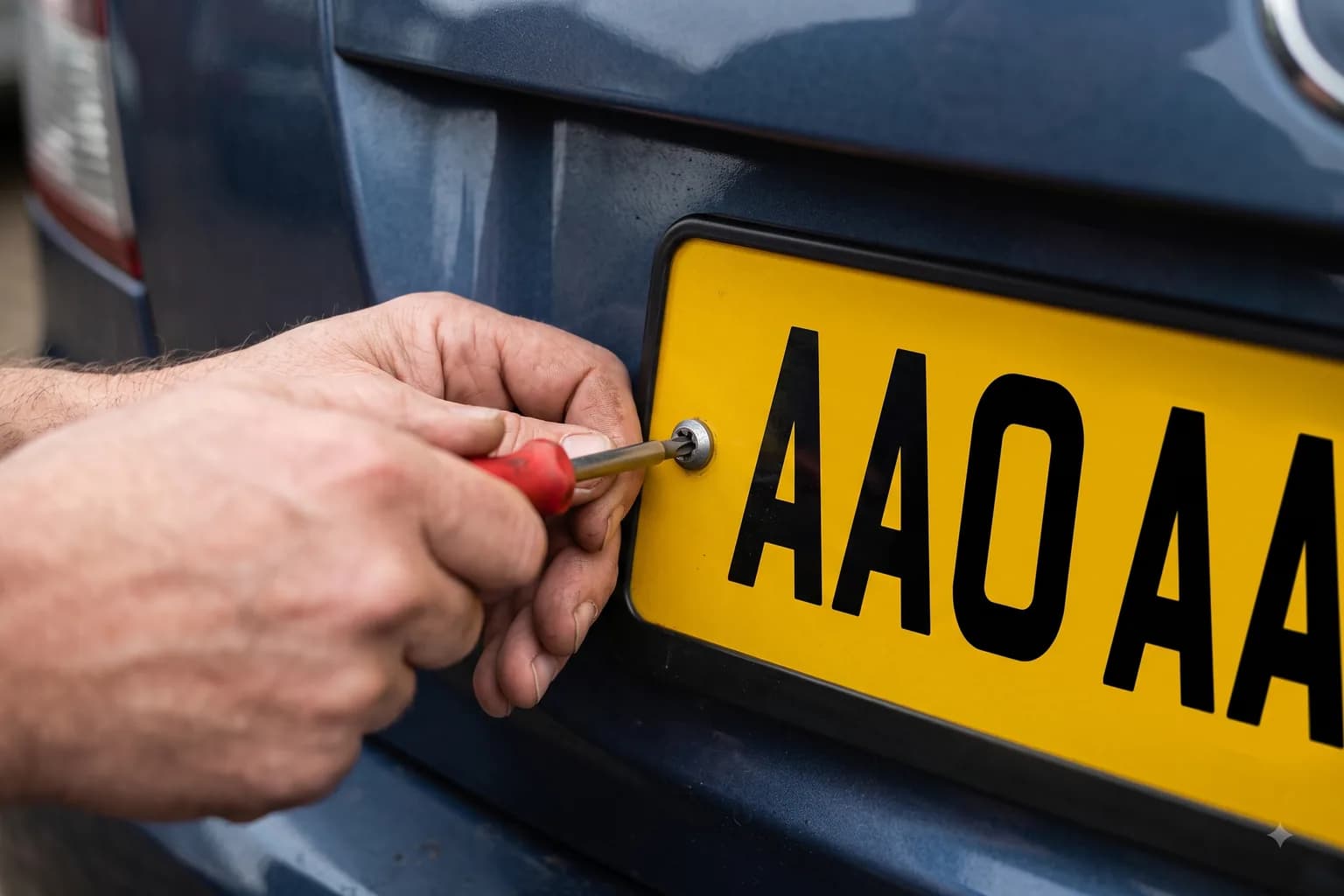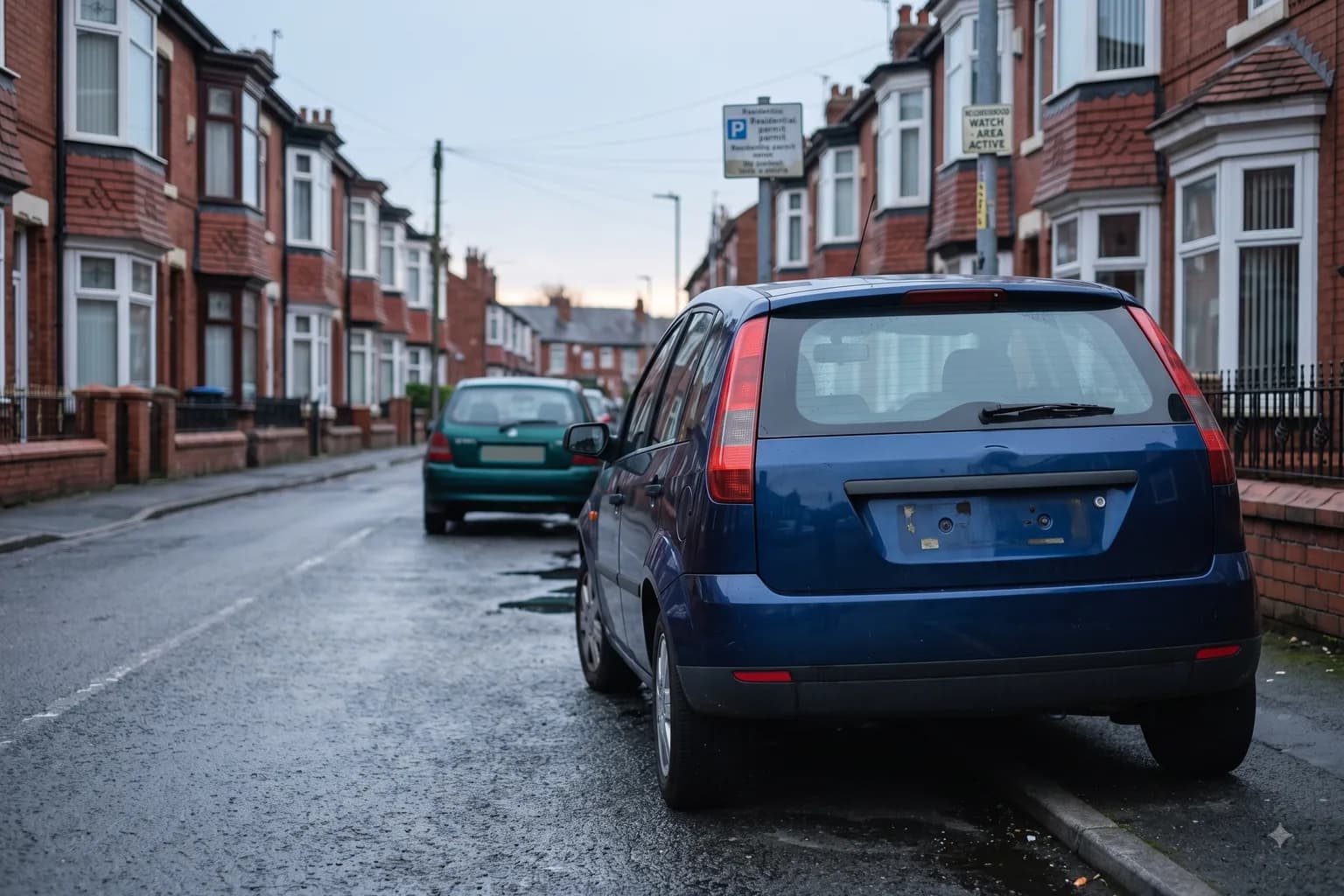
If a cloned number plate is used in a congestion zone, at a petrol station or during a criminal offence, the first sign is often a fine, a letter or a knock at the door. That is why choosing the best tools for plate tracking is not a niche admin decision. It is a practical security measure for motorists, fleet operators and plate suppliers who want control before fraud escalates.
Plate tracking is not one single tool. It is a stack of functions that work together: registration, verification, monitoring, alerting and evidence. The right setup depends on who you are. A private driver needs early warning and simple checks. A fleet needs visibility across multiple vehicles. A plate manufacturer needs secure registration workflows and traceability.
What the best tools for plate tracking actually do
The strongest systems do more than store a registration number in a spreadsheet. They create a verifiable identity record around a plate and then watch for activity that suggests duplication, misuse or unauthorised production. In practice, that means matching registration data, logging plate status, flagging suspicious events and triggering alerts quickly enough for the owner to act.
A weak tool tells you what has already happened. A strong one helps you challenge it, prove your position and reduce the chance of further damage. That difference matters when speed can affect whether a case is resolved in days or drags on for weeks.
Best tools for plate tracking by job to be done
Encrypted plate registration databases
This is the foundation. If there is no secure registration record, there is nothing reliable to check against when a dispute appears. An encrypted tracking database gives a plate a recognised digital identity, tied to the legitimate keeper or authorised producer.
For vehicle owners, this creates a formal point of reference if suspicious activity appears elsewhere. For plate manufacturers, it supports compliance and accountability by showing when a plate was legitimately created and entered into the system. For fleets, it centralises records that would otherwise sit across emails, invoices and separate team folders.
The trade-off is simple. A database is only useful if it is actively maintained and built for plate security rather than generic record keeping. A dealer CRM or fleet spreadsheet may be tidy, but it is not a specialist anti-cloning tool.
Plate status verification tools
Verification tools allow a user to check whether a number plate is registered, protected or carrying a recognised status within the tracking system. This matters because fraud often succeeds when there is uncertainty. The faster you can confirm a plate's standing, the faster you can identify whether a duplication concern is credible.
This type of tool is especially useful for plate manufacturers and administrators who need to validate records during issue, replacement or review. It also helps owners who want reassurance that their registration details have been properly logged and remain visible within the protection framework.
The best verification tools are clear, fast and difficult to manipulate. If the process is slow or ambiguous, people stop using it when pressure is high, which is exactly when it is needed.
Instant alert systems
An alerting engine is where monitoring becomes actionable. Email, SMS and push notifications are not extras. They are the point at which plate tracking stops being passive and starts protecting the user in real time.
If suspicious duplication activity is detected, delay creates exposure. A driver may continue receiving penalties. A fleet may lose time proving vehicle location. A manufacturer may miss an opportunity to investigate a suspect duplicate quickly. Instant alerts reduce that gap.
Not every alert system is equal. Some are noisy and create fatigue, while others are too limited and fail to surface meaningful events. The best tools for plate tracking prioritise relevance. They send urgent alerts when action is required and avoid flooding users with low-value notifications.
ANPR-linked detection tools
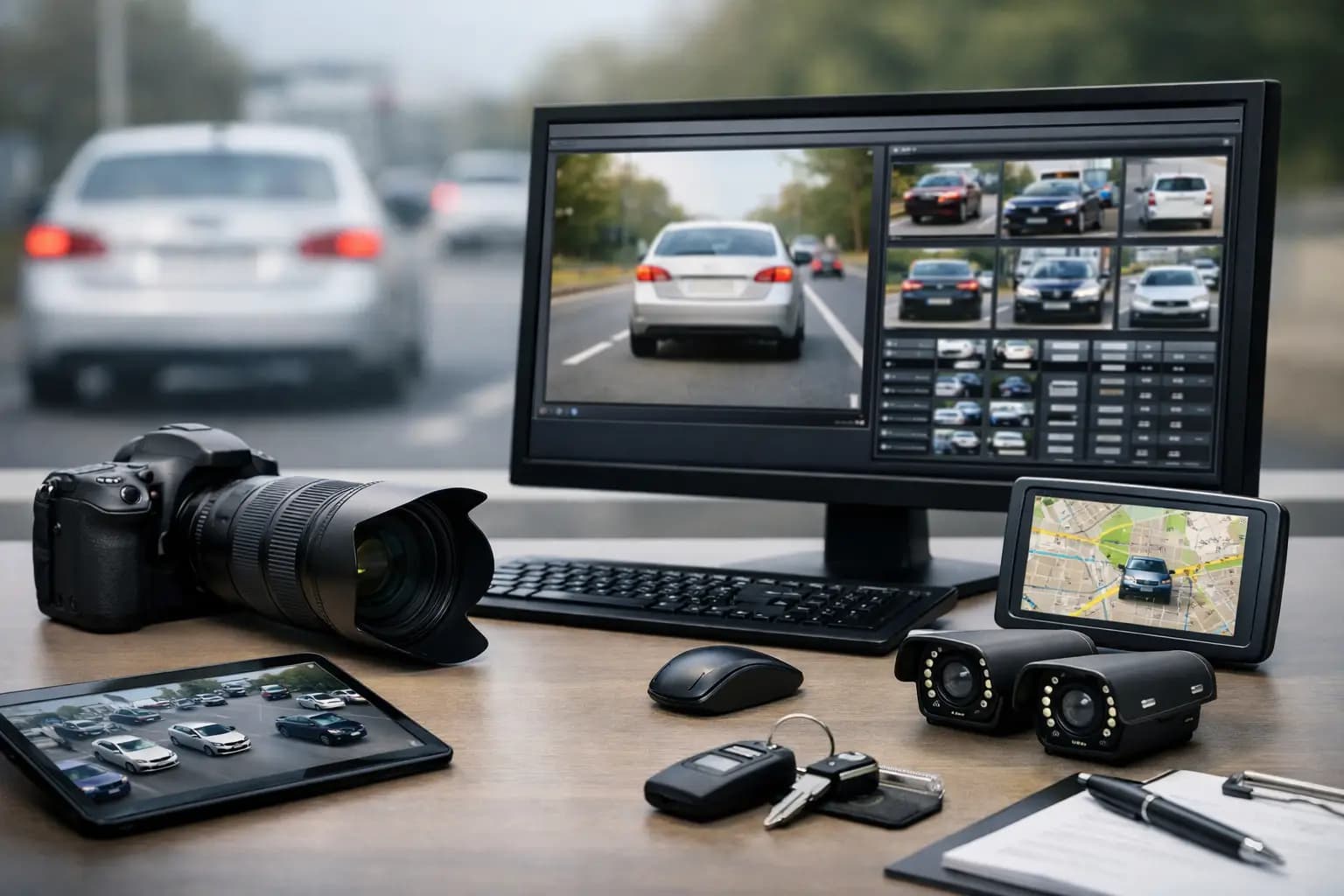
Automatic Number Plate Recognition data can be powerful when it is used carefully and lawfully. In a tracking context, ANPR-linked tools help identify where and when a registration appears, which can support anomaly detection when a vehicle is allegedly present in two places or linked to suspicious movement patterns.
For fleets, this can strengthen operational oversight. For private motorists, it can support a challenge when an event does not align with the vehicle's actual use. For investigators and administrators, it adds a layer of evidence that goes beyond simple registration records.
This is not a standalone answer to cloning. ANPR data still needs interpretation, proper handling and a reliable comparison point. On its own, it may show an occurrence. Combined with registration, verification and alerts, it becomes much more useful.
Evidence and case management dashboards
When plate misuse is suspected, information needs to be gathered quickly and presented clearly. A case management dashboard keeps timelines, alerts, supporting records and status changes in one place. That matters because disputes around cloned plates are rarely solved by one screenshot or one phone call.
A proper dashboard helps users move from suspicion to response. It can show when a plate was registered, when an alert was generated, what checks were completed and what actions were taken next. This creates consistency, which is vital for businesses managing multiple incidents or manufacturers handling regulated processes.
The advantage here is control. The risk is complexity. If the dashboard is overloaded with features that do not serve plate security, teams waste time. Good design is not cosmetic. It directly affects speed and accuracy.
Secure manufacturer registration workflows
For plate manufacturers, one of the best tools for plate tracking is not customer-facing at all. It is a secure internal workflow for registering, validating and recording plate production properly from the start.
This reduces the chance of gaps that fraudsters can exploit later. It also helps prove legitimacy if a plate's origin is questioned. In a market where trust and compliance matter, the ability to show a secure chain from creation to registration is a commercial advantage as well as a security safeguard.
Generic order systems do not usually offer this. They can process a transaction, but they are not designed to support anti-duplication controls or tracking-specific evidence.
Multi-user admin tools for fleets and stakeholders
A single-vehicle owner can work with a relatively simple interface. A fleet operator or supply-chain stakeholder cannot. They need role-based access, shared visibility and the ability to manage multiple registrations without losing oversight.
Multi-user admin tools allow different people to view, update or investigate records according to their responsibilities. That may include transport managers, security leads, compliance staff or authorised plate suppliers. The result is a more controlled response when something looks wrong.
This is where specialist platforms separate themselves from consumer-only solutions. If a tool cannot handle multiple users, permissions and audit trails, it will struggle as soon as the environment becomes operationally complex.
How to choose the right plate tracking tool
Start with the risk, not the feature list. If your main concern is personal exposure to fines and false enforcement, prioritise registration, verification and instant alerts. If you run a fleet, focus on centralised oversight, multi-user access and evidence management. If you manufacture number plates, secure workflow and traceability should be near the top of the list.
Then look at response speed. A tool that detects an issue but leaves the user waiting for manual follow-up is weaker than one built for immediate notification and clear next steps. Security is not just about identifying a threat. It is about reducing the time between detection and action.
Usability matters as well. Under pressure, complicated systems fail. If a driver, fleet manager or admin cannot confirm status and access records quickly, the platform is not doing its job. The strongest solutions are technologically confident but operationally simple.
Finally, consider whether the tool is built specifically for number plate protection. A general vehicle admin system may cover storage, and a general alerting app may cover notifications, but plate cloning is a specialist threat. Specialist risk usually needs specialist infrastructure.
Why an integrated platform usually wins
You can assemble separate tools for records, messaging, checks and case handling. Some organisations do. The problem is that disconnected systems create blind spots. Records sit in one place, alerts in another and evidence somewhere else again. That slows response and increases the chance of inconsistency.
An integrated platform brings registration, detection and alerting into one controlled environment. That means less manual chasing, clearer audit trails and a stronger position when a plate's legitimacy is challenged. For a threat that moves quickly, joined-up security is usually the safer choice.
That is why solutions built around proprietary tech and an encrypted global tracking database stand out. They are designed for prevention first, not just paperwork after the event. Protect A Plate operates in exactly that space, giving users a specialist framework to register, monitor and respond before a cloned plate causes wider damage.
The best plate tracking tool is the one that gives you proof, speed and control when it matters most. If your current setup only tells you there is a problem after the letters arrive, it is already too late.