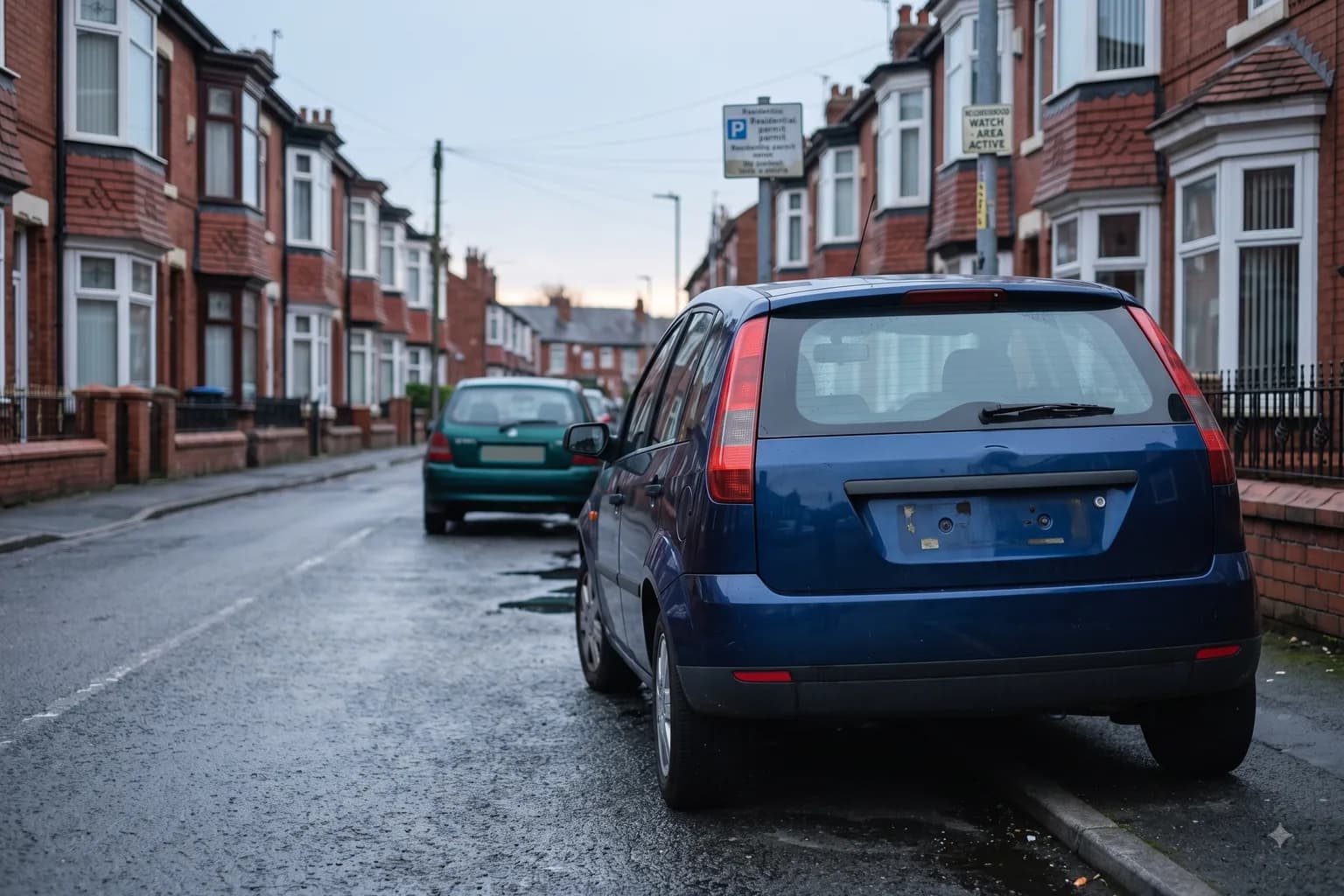
A cloned number plate rarely announces itself politely. It tends to appear as a penalty notice, a congestion charge, a failed roadside stop, or a customer dispute that lands without warning. That is why best practices for registration integrity matter. They are not admin for admin’s sake. They are the controls that protect a vehicle’s identity before misuse turns into cost, delay and reputational damage.
For private motorists, registration integrity means proving that your plate details are genuine, traceable and monitored. For fleets and plate manufacturers, it means something broader - a secure chain of custody around the registration data itself. If that chain is weak, fraud finds the gaps.
What registration integrity actually means
Registration integrity is the accuracy, legitimacy and security of number plate data from first issue through ongoing use. In practical terms, it means the right registration is tied to the right vehicle, the right keeper and the right production record, with checks in place to spot suspicious duplication or misuse.
That sounds straightforward, but the pressure points are real. A plate can be copied visually, duplicated through weak checks, or misused because records are incomplete, out of date or impossible to verify quickly. Once false identity enters the system, the burden often falls on the innocent driver to prove what happened.
Strong registration integrity reduces that burden. It creates evidence. It creates visibility. Most importantly, it creates speed when something does go wrong.
Best practices for registration integrity start with verified input
Poor data at the point of registration is where many problems begin. If the original record is weak, every downstream check becomes less reliable. The first principle is simple: verify before you store, not afterwards when the damage is already done.
For vehicle owners, that means registering plate credentials with accurate supporting details and making sure those details remain current. For businesses in the plate supply chain, it means stricter validation of entitlement, document checks and production records before any plate is issued.
Verification should never rely on one data point alone. A registration number on its own is too easy to copy. A stronger process links the registration to supporting identifiers, timestamps, manufacturer records and ownership or usage context. The aim is not to collect data for the sake of it. The aim is to make false claims harder to pass through unnoticed.
Build a secure chain from registration to detection
Registration integrity is not fixed at the point of sign-up. It depends on what happens next. If a plate is registered and then left in a static record with no monitoring, the system is only doing half the job.
A stronger model connects registration, detection and alerting. Registration establishes the trusted baseline. Detection looks for signs that the same identity may be appearing elsewhere in suspicious ways. Alerting ensures the keeper or operator knows quickly enough to act.
This matters because cloned plate incidents often escalate fast. A vehicle owner may only realise there is a problem after repeated notices arrive. A fleet manager may discover misuse only when routes, tolls or fuel records stop adding up. If detection lags, so does response.
The practical lesson is clear. Secure registration data should sit inside a monitored environment, not a passive archive.
Keep records encrypted, searchable and time-stamped
Security without traceability is a weak defence. If you cannot confirm when a registration was logged, what evidence supported it and whether its status has changed, you are relying on memory and assumptions.
Good registration integrity depends on records that are encrypted, searchable and time-stamped. Encryption protects sensitive information from casual access or misuse. Searchability allows rapid checks when a plate is questioned. Time stamps create an audit trail that can help establish legitimacy and sequence.
For individual motorists, that kind of record strengthens your position if your plate is ever challenged. For fleets, it helps isolate risk quickly across multiple vehicles. For manufacturers, it supports compliance and accountability when producing legal plates.
There is a trade-off here. The more useful a record system becomes, the more important access control becomes as well. Searchability should never mean open visibility for everyone. Strong permissions matter. Administrators, customers and manufacturers do not all need the same level of access, and they should not have it.
Treat alerts as part of the protection, not an extra
A common weakness in fraud prevention is assuming that registration alone is enough. It is not. If suspicious duplication activity is detected but no one is informed quickly, the value of the detection is reduced.
Alerts should be immediate, clear and tied to action. That could mean an email, SMS or push notification sent as soon as suspicious activity is flagged. What matters is speed and clarity. The keeper needs to understand that a possible issue exists, what has been detected and what to do next.
This is especially important for busy fleet operators. An alert that sits in a generic inbox for two days is not much use. Notifications should go to the right people through the right channels. Escalation paths should be agreed in advance, particularly where multiple drivers, depots or managers are involved.
Fast alerting does more than reduce admin. It shortens the window in which a cloned identity can cause harm.
Review plate status regularly, not only when there is a problem
One of the most effective best practices for registration integrity is routine status checking. Fraud prevention works better when it is proactive. Waiting for a fine or enforcement notice means the issue has already travelled further than it should.
A searchable plate status tool gives drivers, operators and supply-chain partners a simple way to confirm whether a registration appears normal, protected or under review. That kind of visibility can prevent hesitation when questions arise. It also helps separate genuine anomalies from ordinary admin errors.
For example, a vehicle sale, retention transfer or fleet disposal can create temporary confusion if records are not updated properly. Not every discrepancy is fraud, and not every alert means a plate has definitely been cloned. That is why status checking should support judgement rather than replace it. Good systems reduce uncertainty. They do not pretend every situation is identical.
For manufacturers, integrity depends on controlled workflows
Plate manufacturers sit at a critical point in the chain. If production and issue workflows are not tightly controlled, bad actors can exploit the gaps. Registration integrity in this context means proving who requested the plate, what authority supported the request, when the plate was produced and how that record can be verified later.
That calls for disciplined processes. Staff need clear verification rules, consistent record handling and restricted permissions. Exceptions should be visible and reviewable rather than handled informally. If a request does not meet the standard, it should stop there.
There is sometimes pressure to move quickly, especially in busy periods. Speed matters, but speed without control creates exposure. The right technology can support both. A secure web application with role-based access, encrypted records and plate status verification makes it easier to keep workflows moving without weakening checks.
For motorists and fleets, ownership data must stay current
Even a strong registration process becomes less reliable when the underlying details drift out of date. Address changes, vehicle disposals, role changes in fleet teams and plate replacements all affect the quality of the record.
Registration integrity depends on maintenance as much as setup. Keepers should update their details promptly. Fleet operators should review user access and vehicle records regularly. If a plate is replaced, transferred or subject to investigation, that status needs to be reflected quickly.
This is where many organisations slip. They treat the first registration as the main event and the record afterwards as background admin. Fraud does not make that distinction. Outdated data creates uncertainty, and uncertainty gives bad actors room to operate.
Build for evidence, not just prevention
The best protection aims to prevent misuse, but it must also support proof. If a driver is wrongly linked to an offence because their plate has been cloned, they need evidence that can be surfaced quickly. If a manufacturer faces a challenge around a plate issue, they need an audit trail. If a fleet is tracing suspicious activity, it needs a clear record of who knew what and when.
That is why strong registration integrity is both defensive and evidential. Prevention reduces the chance of fraud. Evidence reduces the damage when fraud is attempted anyway. A security-led system should be designed for both.
This is where specialist platforms such as Protect A Plate have clear value. By combining registration, detection and instant alerting inside an encrypted tracking environment, they move plate protection from passive record-keeping to active defence.
The strongest approach is not to wait until a cloned plate creates chaos and then start asking questions. Put the controls in place early, keep records tight, monitor for warning signs and make sure the right people hear about them straight away. That is how registration integrity stops being a paperwork exercise and starts acting like what it should be - protection.