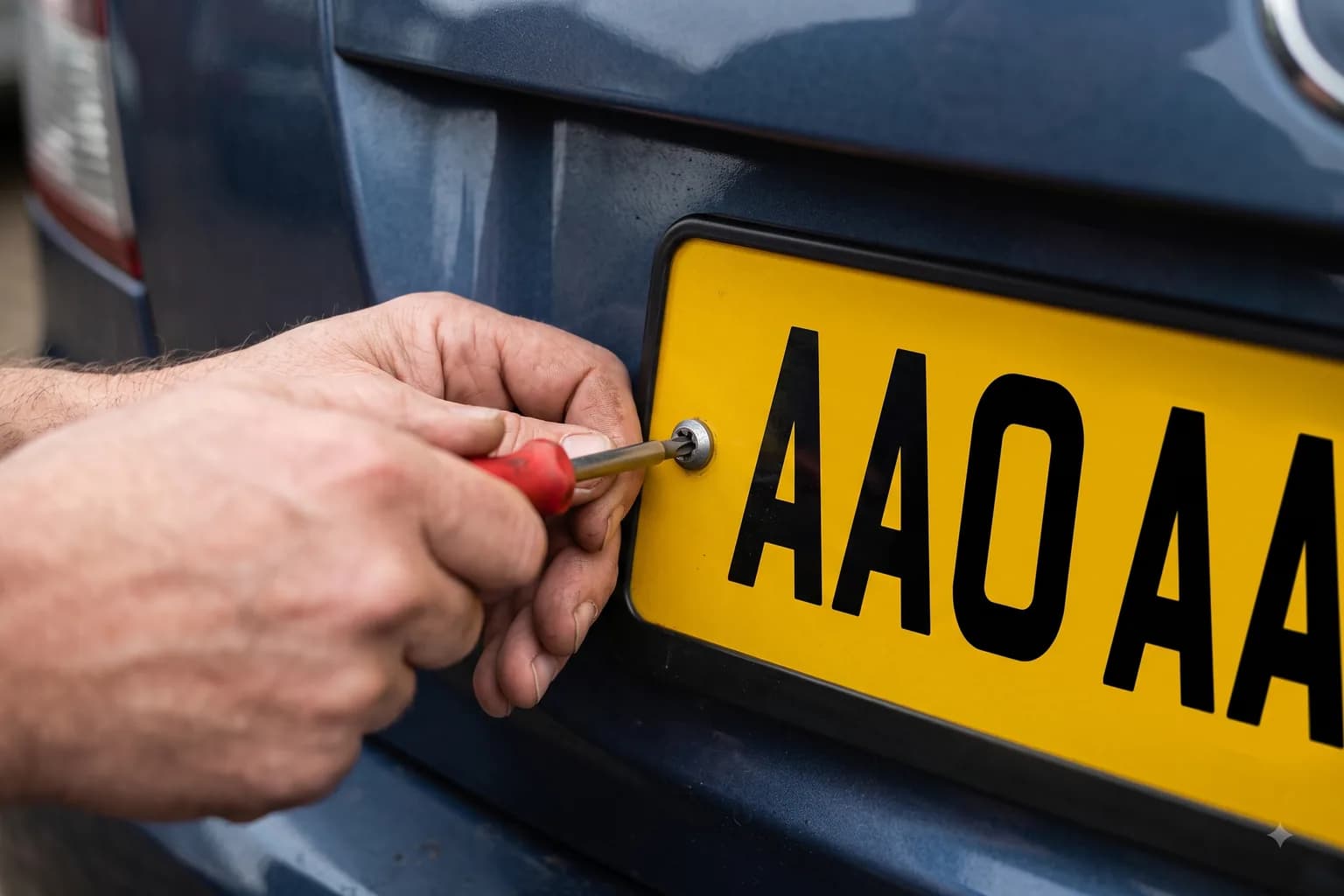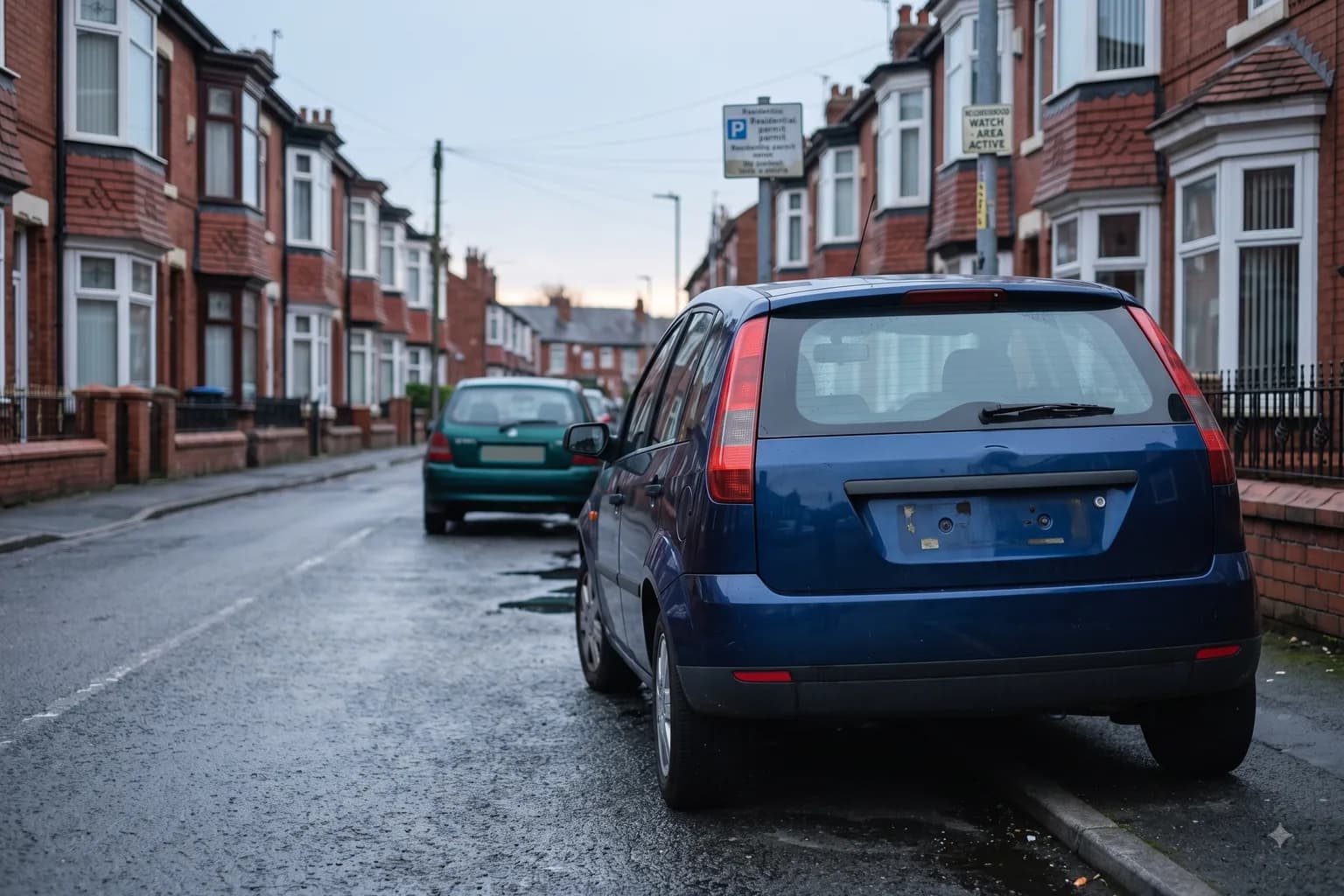
A penalty notice lands on your doormat for a car park you have never visited. Then another arrives from a different town. That is usually the moment cloned plate fraud stops feeling theoretical. The best cloned plate evidence steps are the ones you take quickly, calmly and in the right order, because the quality of your evidence can decide how fast the issue is resolved.
Plate cloning is not just an annoyance. It can trigger fines, congestion charges, parking demands, police stops and insurance complications, all attached to your vehicle identity. For private motorists and fleet operators alike, weak evidence creates delays. Strong evidence creates clarity. If your registration has been misused, you need a defensible record that proves where your vehicle was, what it looks like and when the fraud began.
Why evidence matters in cloned plate cases
Authorities, councils, parking operators and insurers do not work from suspicion alone. They work from records. If a cloned vehicle is using your registration, you need to show that your genuine vehicle was elsewhere, that its physical details differ, or that the timeline does not stack up.
This is where many drivers lose time. They know something is wrong, but they cannot immediately produce photographs, timestamps, keeper details or supporting travel records. The result is avoidable back and forth. A stronger approach is to build an evidence file from the first sign of fraud.
Good evidence does two jobs at once. It helps challenge wrongful penalties, and it helps establish a pattern of misuse if the cloning continues. That second point matters. One isolated notice may be disputed. Multiple incidents with consistent supporting proof point to criminal activity.
Best cloned plate evidence steps to take first
The first priority is to preserve every document. Keep the original penalty notice, enforcement letter, ANPR image, parking charge or police correspondence. Do not throw away envelopes either, as dates and reference numbers can help establish the sequence of events.
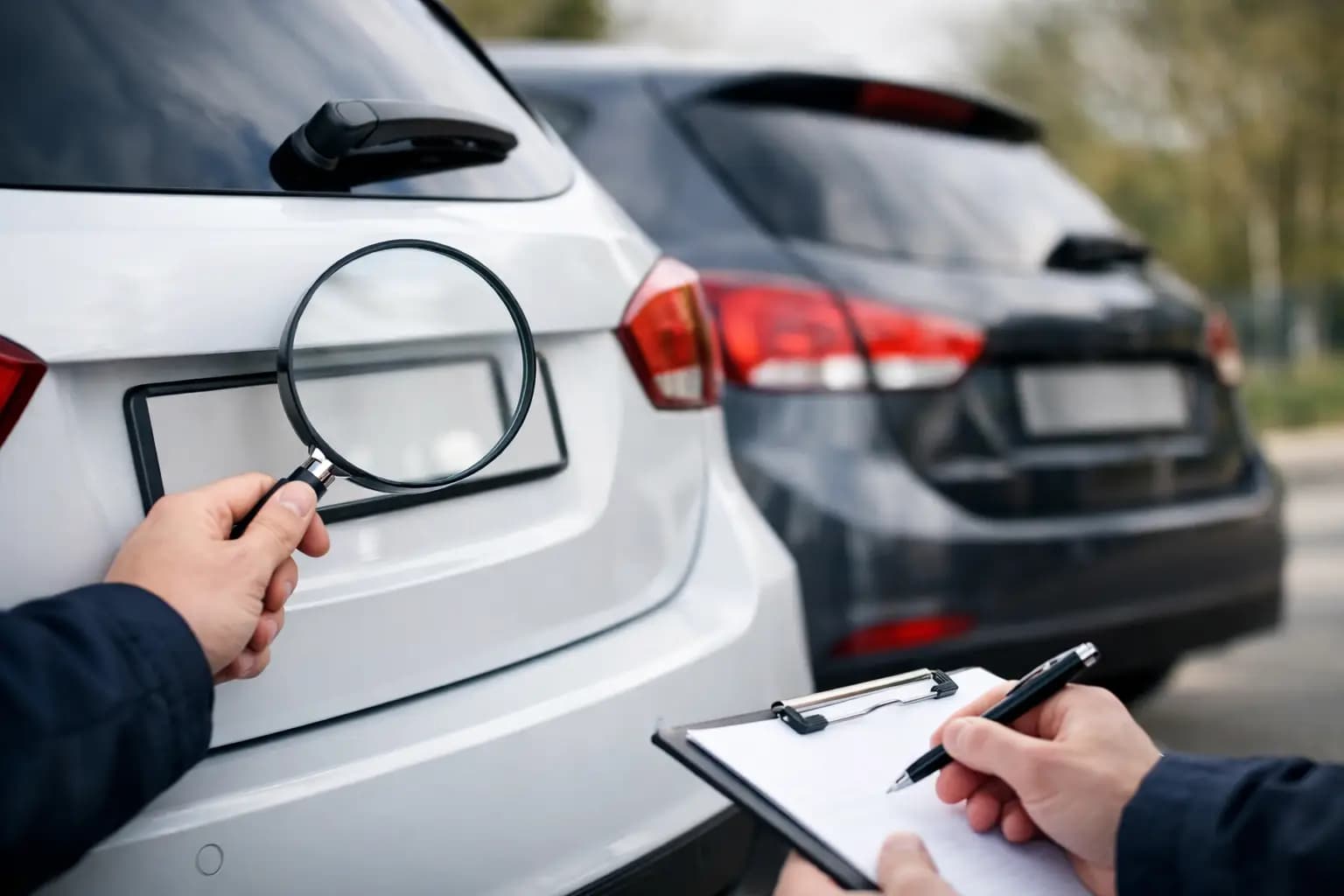
Next, confirm your own vehicle details exactly as recorded. Note the registration mark, make, model, colour, trim level and any distinctive features such as stickers, roof bars, alloy style, business branding or damage. Cloned vehicles are often similar, but not identical. Small differences can become decisive.
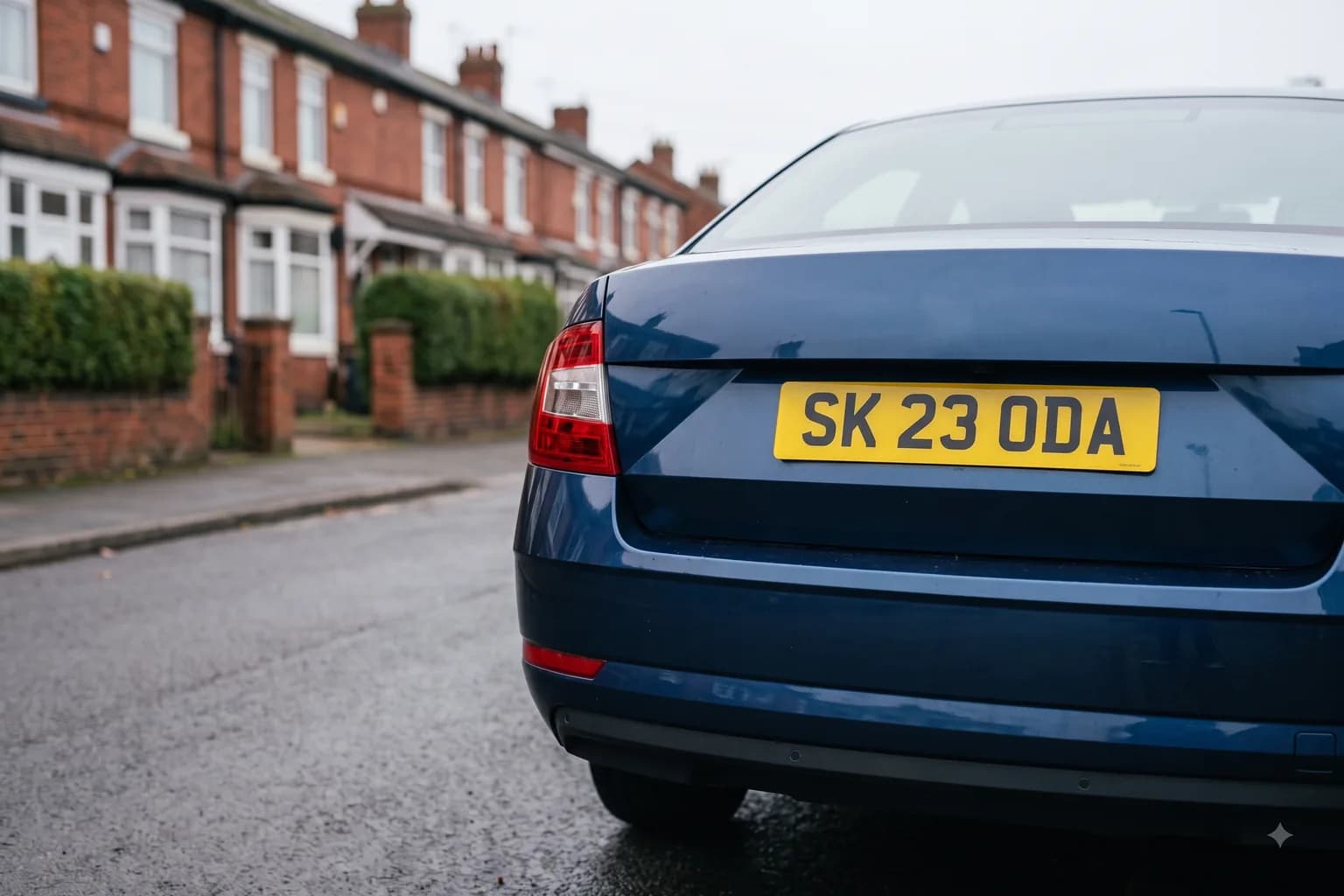
Then photograph your vehicle thoroughly. Take clear images of the front, rear, both sides, the number plates, VIN area if appropriate, and any distinguishing marks. Use a mobile phone or camera that records date metadata. If possible, include location context such as your driveway, workplace car park or another verifiable setting.
After that, build a timeline. Write down where your vehicle actually was at the time of the alleged offence. Include fuel receipts, card payments, work logs, delivery records, dash cam footage, toll data, service bookings or witness confirmation if available. A precise timeline is far more persuasive than a general statement saying the vehicle was somewhere else.
What evidence carries the most weight
Not all evidence is equal. The strongest material is independent, time-stamped and difficult to dispute. That usually includes CCTV, dash cam recordings, telematics, fleet tracking, mobile phone location history tied to the driver, and transaction records that place the genuine vehicle elsewhere.
Photographs of your vehicle are essential, but they work best when combined with supporting data. For example, if a notice says your plate was seen in Birmingham at 10:14, and you have a dated service invoice, workplace entry log and a photo showing your car in Leeds that morning, your position becomes much stronger.
For commercial operators, telematics and driver allocation records can be especially useful. Fleets often hold cleaner movement data than private motorists. That can make it easier to prove that a van or company car could not have been present at the reported location.
Witness statements can help, but they are usually secondary evidence. Use them to support stronger records rather than relying on them alone.
Building a cloned plate evidence file properly
A proper evidence file should be easy for another party to review. That means organised, chronological and complete. If you send scattered screenshots and half-explained photos, you create friction. If you send a clear sequence of documents with dates, references and short notes, you make action easier.
Start with the triggering notice or report. Then add your vehicle photographs. Follow with your V5C details if relevant, any proof of plate purchase or manufacture, and the timeline showing where your vehicle was at the relevant time. After that, add supporting documents such as receipts, CCTV stills, telematics exports or witness notes.
Keep digital copies as well as originals. Store them in one folder with filenames that make sense, such as date, document type and incident reference. If more notices arrive later, add them to the same record. Cloning cases often develop over time, and a fragmented record can slow your response.
Best cloned plate evidence steps when reporting the issue
Once your file is assembled, report quickly. Delay gives fraud more room to spread and can increase the number of disputes you need to handle. Contact the relevant authority for each incident, but also treat the wider issue as a cloning case rather than a one-off error.
If you are dealing with police, provide a concise statement backed by evidence rather than a long emotional account. State that you believe your registration has been cloned, identify the disputed incidents, and attach proof of your genuine vehicle’s appearance and location. Clear reporting helps officers and administrators identify patterns faster.
When responding to parking operators or councils, tailor your response to the incident but keep the same evidence discipline. Reference the notice number, the date and time, and the mismatch between your genuine vehicle and the one recorded. If the ANPR or camera images show a different make, model or plate format issue, say so directly.
If your vehicle is registered on a proactive monitoring platform, use that data as part of the wider picture. Detection and alerting can shorten the gap between first misuse and first action. That is where specialist systems such as Protect A Plate stand apart - they are built around registration, detection and rapid alerting rather than waiting for repeated penalties to expose the problem.
Common mistakes that weaken your case
The most common mistake is assuming one phone call is enough. It rarely is. You need a documented trail, not just a conversation. Follow up reports in writing where possible and keep copies of what you sent.
Another mistake is sending vague evidence. A photo of your car with no date, no context and no link to the alleged offence may not carry much weight. Evidence needs to answer a practical question: what proves your vehicle was not the one involved?
Drivers also sometimes focus only on the plate and forget the wider vehicle identity. Yet the mismatch in body shape, colour shade, trim, manufacturer badge placement or commercial signage may be what resolves the dispute fastest.
Finally, do not alter or over-edit images. Enhancing clarity is one thing. Cropping out context or heavily modifying files can create doubt. Keep originals available.
What to do if the cloned vehicle closely matches yours
Some cloning cases are harder because the offending vehicle is the same make, model and colour. In those cases, your evidence needs to become more precise. Look for details such as plate font irregularities, dealer markings, bumper damage, wheel design, interior items visible through the windscreen or the absence of accessories fitted to your own vehicle.
This is also where movement data becomes more valuable than appearance alone. If visual differences are limited, location proof matters more. Time-stamped records that place your vehicle elsewhere can cut through a visual near-match.
For fleets, driver schedules, depot entry logs and telematics often become the key differentiators. For private owners, receipts, workplace records, home CCTV and dash cam files usually do the heavy lifting.
Prevention is part of the evidence strategy
The best cloned plate evidence steps are not only reactive. Prevention improves your evidence position before fraud happens. If your plate details, plate issue records and vehicle identity markers are securely registered in advance, you have a stronger baseline if suspicious duplication appears later.
That is the real advantage of a security-led approach. It gives you faster detection, cleaner records and earlier warning. Instead of discovering cloning through escalating fines, you have a better chance of spotting suspicious activity sooner and responding with control.
If you ever need to prove your vehicle identity, the drivers who act fastest are usually the ones who prepared earliest. Keep recent photos, keep records organised, and treat your number plate like the vehicle identity asset it is.
A cloned plate problem feels invasive because it hijacks something that should be uniquely yours. The right evidence steps restore control, and control is what resolves these cases.