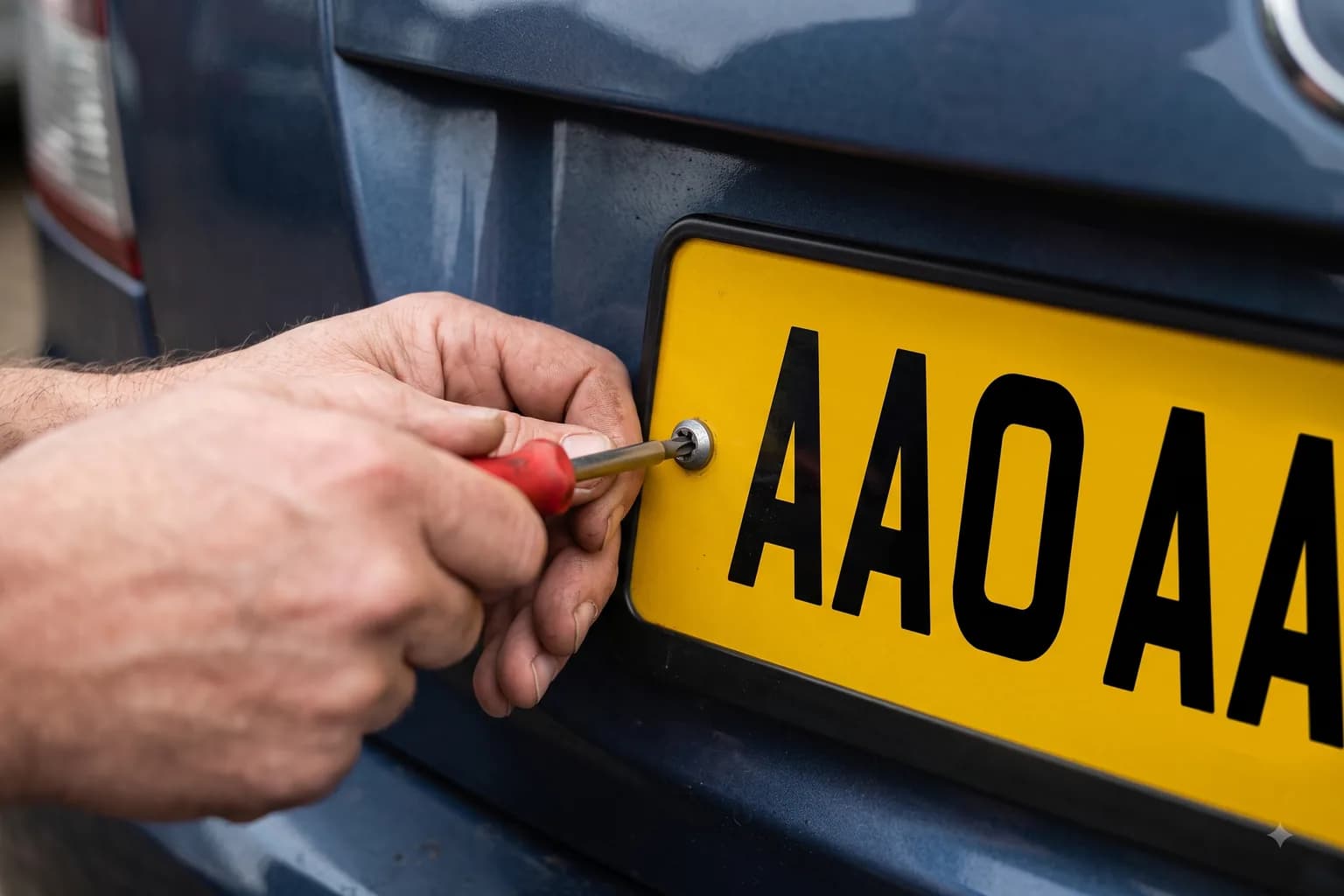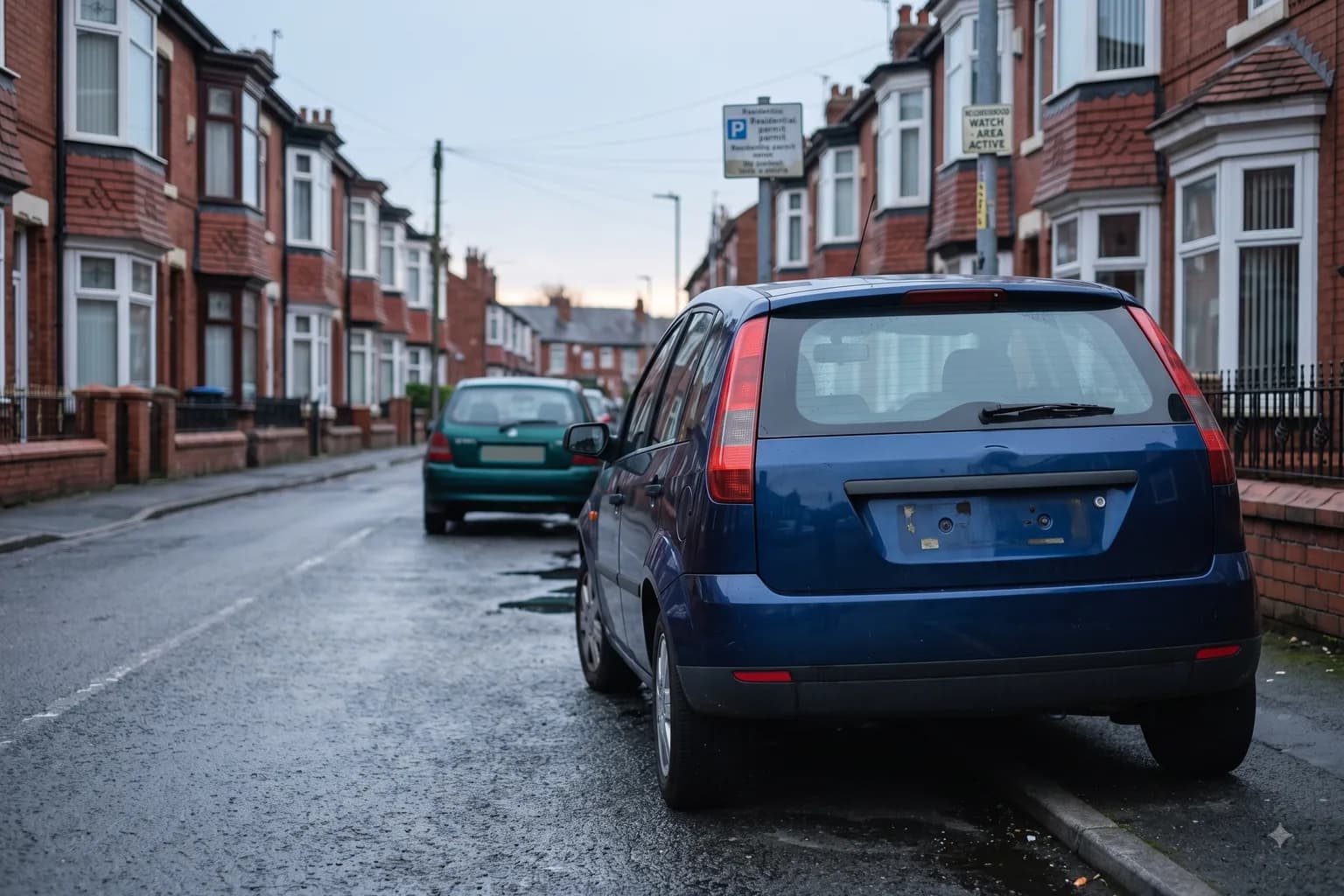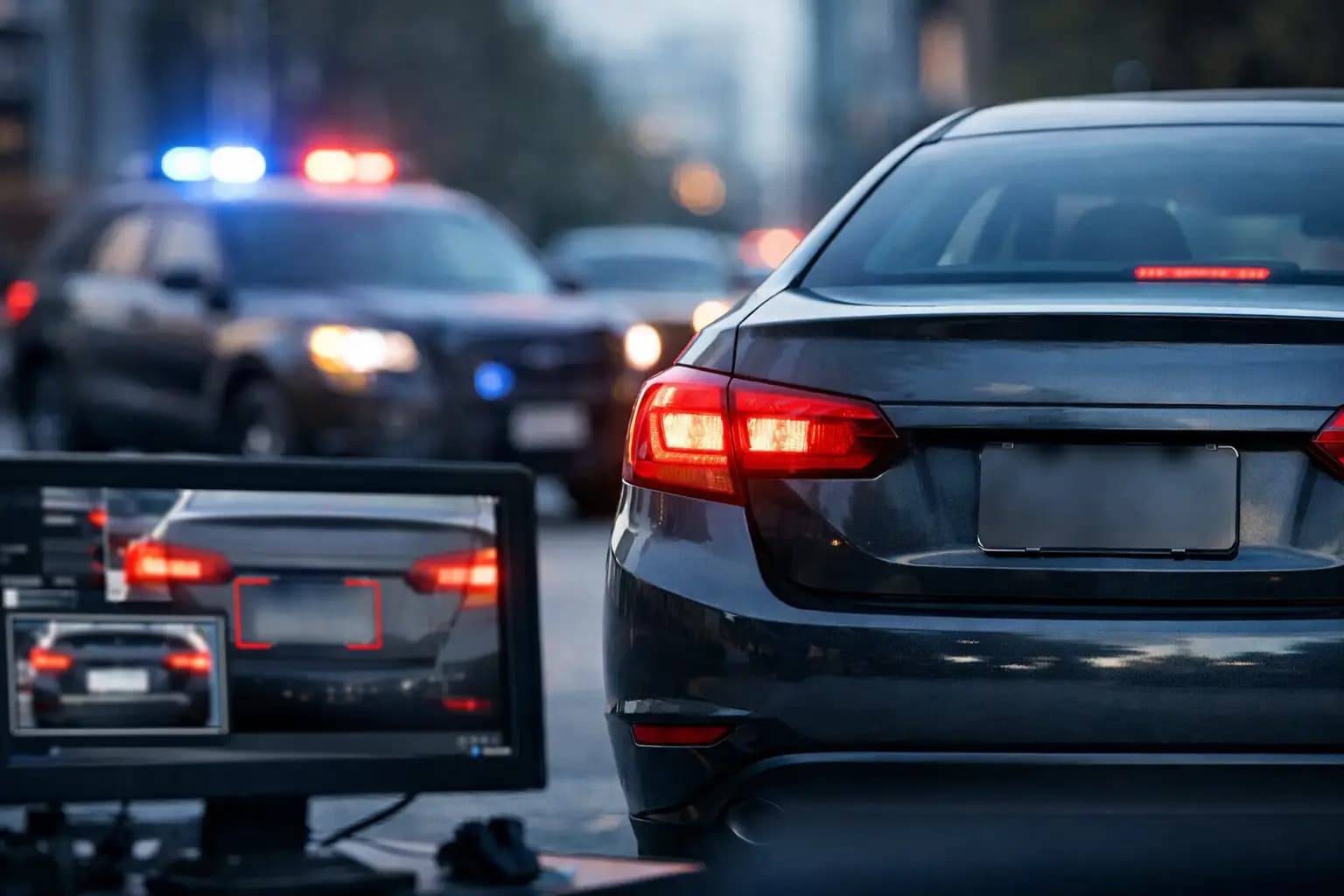
A speeding notice lands on your doormat from a town you have never driven through. Then comes a parking charge. Then a toll demand. By the time most drivers realise their registration has been cloned, the damage is already spreading. That is why the best alerts for suspicious plate activity are the ones that detect risk early, verify it quickly and give you a clear route to action.
For UK motorists, this is not a minor admin issue. Number plate cloning can trigger fines, enforcement letters, insurance complications and long, frustrating disputes with authorities and service providers. For fleet operators, the problem scales even faster. One cloned registration can create downtime, compliance pressure and reputational risk. Good alerting is not about more notifications. It is about getting the right warning, at the right moment, with enough confidence to respond.
What makes the best alerts for suspicious plate activity?
An effective alert system should do three things well. First, it should identify unusual or conflicting plate activity against a trusted registration record. Second, it should notify the right person without delay. Third, it should support verification, so you can separate a genuine threat from harmless noise.
That sounds simple, but many alert systems fail because they focus on volume rather than accuracy. If every small anomaly triggers a message, users start ignoring alerts. If alerts arrive too late, they become evidence of a problem rather than a defence against it. The best systems are built around targeted detection logic, secure registration data and immediate communication.
In practice, that means alerting should be tied to a plate that has been properly registered in a controlled system, not just watched loosely in the background. It also means alerts should point to suspicious duplication indicators, not broad assumptions. A cloned plate case often begins with pattern conflict - a vehicle reported in the wrong place, seen in incompatible circumstances, or linked to behaviour that does not fit the registered owner or vehicle profile.
The alert types that matter most
Email alerts remain useful because they create a written trail. If you need to challenge a penalty or begin a fraud case, a timestamped email helps document when suspicious activity was flagged. Email is practical, but not always fast enough on its own. Many drivers do not check their inbox constantly, and urgent threats can sit unread for hours.
SMS alerts are stronger when speed matters. A text message reaches people quickly and is harder to miss, especially if they are away from their desk or managing a vehicle on the move. For cloned plate risk, that speed matters. The earlier a driver knows there may be suspicious use of their registration, the earlier they can begin gathering evidence and raising the issue with the relevant parties.
Push notifications can be even more immediate, provided the user has the app installed and notifications enabled. They are especially effective when linked to a platform that allows instant verification. An alert without context creates anxiety. A push notification that leads straight to secure plate status information is far more useful, because it supports decision-making as well as awareness.
The strongest setup is usually a layered one. Email gives record-keeping, SMS provides urgency and push offers real-time action inside the platform. Not every driver needs all three. A private motorist may prefer SMS and email. A fleet manager may need broader notification controls, including named recipients and escalation rules. The right mix depends on how the vehicle is used and how quickly a response needs to happen.
Why real-time detection changes the outcome
There is a major difference between being told that a problem happened and being alerted while it may still be developing. Real-time detection gives you a chance to get ahead of the consequences.
If a suspicious event is identified quickly, the vehicle owner can start documenting their own location, checking recent journeys and securing supporting information before official notices arrive. That makes later disputes easier to manage. For fleets, real-time awareness can help confirm whether the registered vehicle was operating elsewhere at the time, reducing uncertainty across drivers, routes and vehicle records.
This is where proprietary tech and an encrypted global tracking database become more than marketing language. They are the foundation of credible alerting. Without secure, structured data behind the system, an alert is just a prompt. With it, the alert becomes part of a defensible security process.
Best alerts for suspicious plate activity need verification built in
Detection on its own is only half the job. Drivers need a way to check plate status quickly and understand whether the alert points to a likely clone, an administrative mismatch or something that needs further review.
A searchable plate status tool is valuable because it gives control back to the user. Instead of waiting for support teams, letters or external agencies, the driver can review the status of their registration and act from a stronger position. That is particularly important in cloning cases, where confusion often benefits the fraudster and punishes the legitimate keeper.
Verification also reduces false alarms. No alerting system should promise perfect certainty, because real-world vehicle data is messy. Registrations can be misread. Records can lag. Human error still happens. The best platforms account for this by pairing alerts with secure verification workflows rather than forcing users to guess.
What private motorists should look for
For individual vehicle owners, the best alert system is one that is simple enough to use consistently. If setup is confusing or verification takes too long, people delay action. That is exactly what fraud risk depends on.
A strong solution should allow straightforward plate registration, fast notification preferences and immediate access to status information. It should also explain what the alert means in plain language. Drivers do not need technical theatre. They need clarity - what has been detected, why it may be suspicious and what to do next.
It also helps if the system is designed around prevention rather than replacement. Many services become relevant only after cloning has already caused fines or legal headaches. A better approach is to monitor the registration proactively, so the plate has an active layer of defence before misuse starts causing visible damage.
What fleet operators and trade users should prioritise
Commercial users have a different problem. One vehicle can be manageable. Fifty or five hundred are not. Fleets need alerting that supports scale, accountability and speed.
That usually means centralised administration, role-based access and the ability to direct alerts to more than one person. A fleet manager may need the first warning, while compliance staff require the audit trail and depot teams need operational context. If alerts only go to a single inbox, response becomes fragile.
Plate manufacturers and other supply chain stakeholders also benefit from secure registration workflows tied to creation and distribution. That matters because plate security should not begin at the point of fraud. It should begin at origin. The earlier a legitimate registration enters a controlled tracking environment, the stronger the protection against duplication abuse later.
The trade-off between sensitivity and trust
Every alert system faces the same tension. If it is too sensitive, users get noise. If it is too cautious, genuine threats may be missed or delayed.
The best alerts for suspicious plate activity strike a practical balance. They are serious enough to surface real anomalies quickly, but disciplined enough not to bombard users with weak signals. This is why security-led design matters. Good alerting is not about creating drama. It is about creating trust.
That trust comes from consistent logic, secure data handling and notifications that lead somewhere useful. It also comes from transparency. Drivers are more likely to act on alerts when they understand how the system works and what level of confidence they can place in a warning.
Protect A Plate addresses this problem in the right order - registration, detection and alerting. That sequence matters because it reflects how real protection works. You secure the identity first, monitor for misuse second and then notify fast enough for the owner to respond.
Choosing the right alert system for your vehicle
If you are comparing options, focus less on flashy features and more on operational value. Ask whether the system gives immediate alerts through channels you will actually notice. Ask whether it supports verification rather than simply issuing warnings. Ask whether it is built around secure registration data and active monitoring of duplication risk.
Also consider your own exposure. A local private car used occasionally may need a lighter setup than a fleet vehicle travelling widely across regions. A prestige vehicle, business fleet or frequently parked urban car may justify a more active alerting profile. It depends on use, visibility and the consequences of misuse.
The key point is simple. Plate cloning is easier to dismiss before it happens than to resolve after it does. The best alert system gives you time, evidence and control while there is still something useful you can do.
The smartest vehicle security measures are often the ones working quietly in the background, ready to speak up the moment your registration stops behaving like it should.