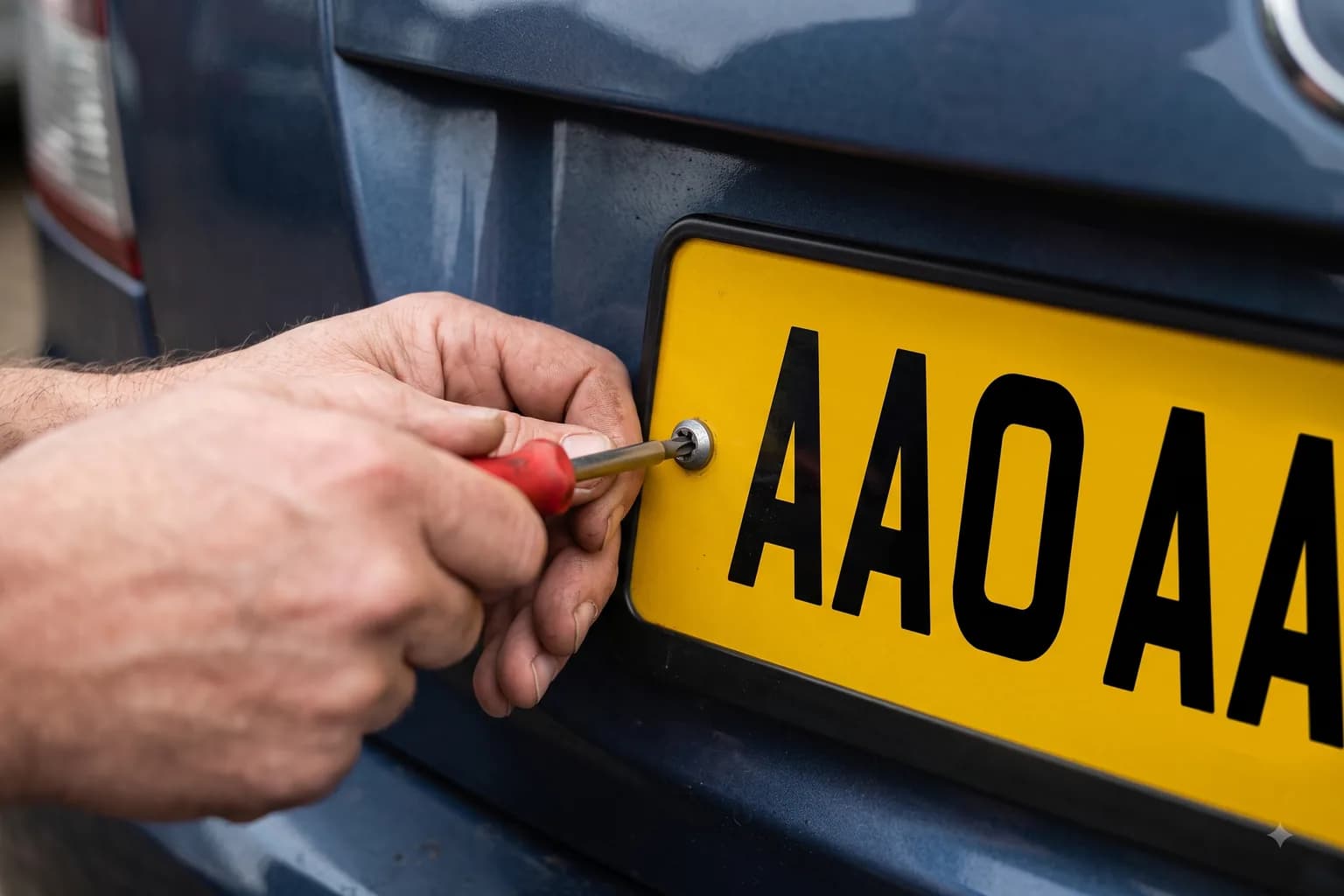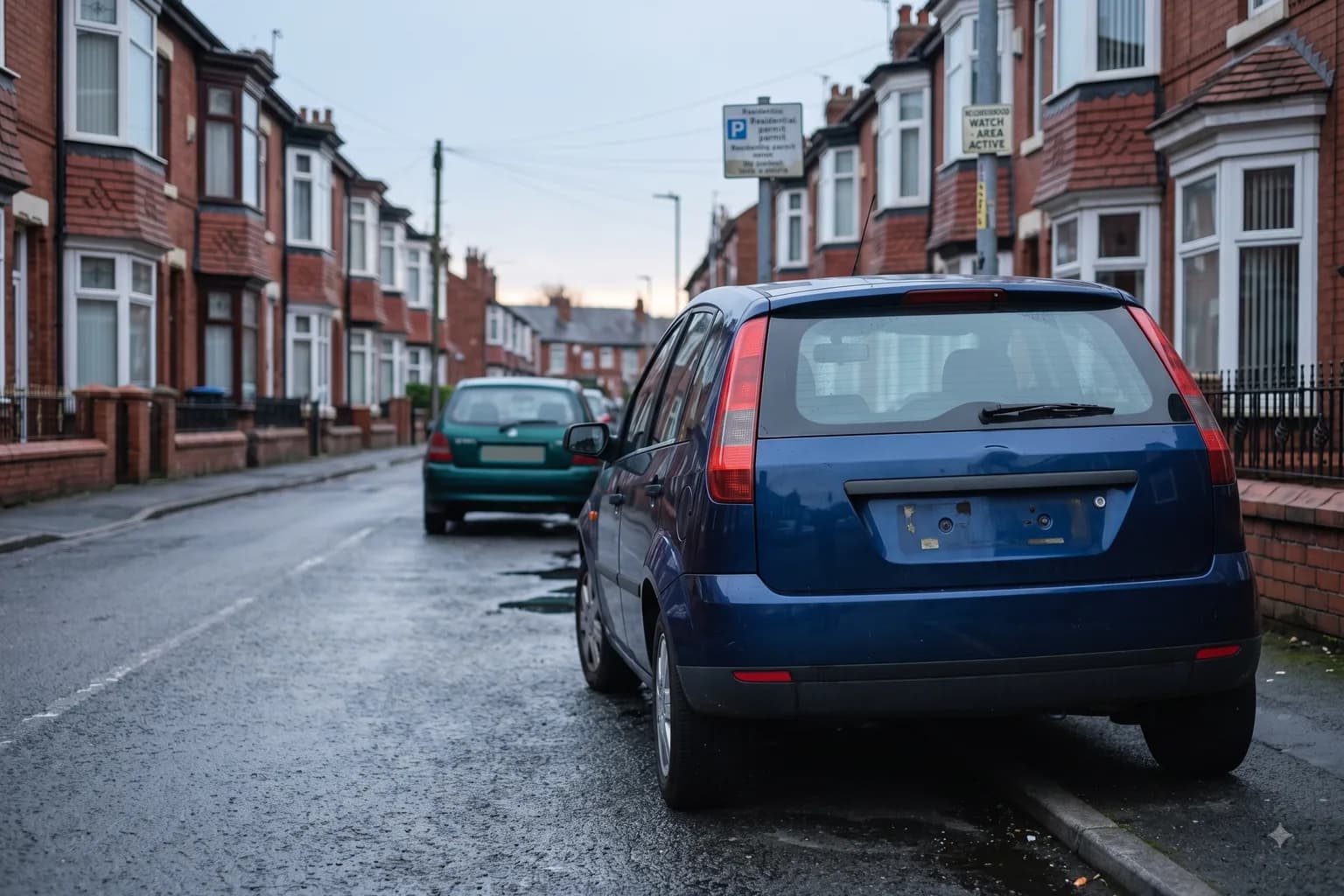
A cloned number plate rarely announces itself. It usually appears as a fine for a journey you never made, a charge linked to a car park you never entered, or police interest in a vehicle that was never yours. That is exactly why the benefits of proactive plate protection matter. By the time fraud becomes visible through post, enforcement or reputational damage, the problem is already moving through multiple systems.
For UK drivers, fleets and plate suppliers, number plate misuse is not a minor admin issue. It is an identity risk tied directly to your vehicle, your records and your credibility. Passive protection only starts working after the damage has begun. Proactive protection changes that by focusing on registration, detection and alerting before a cloning case spreads.
Why the benefits of proactive plate protection are different
Most motorists assume number plate fraud is something dealt with after the fact. You dispute a penalty, gather evidence and spend time proving where your vehicle was not. That approach is reactive by design. It leaves the burden on the lawful keeper.
The benefits of proactive plate protection start with control. Instead of waiting for a cloned plate to trigger a problem elsewhere, a protection system creates a verified record of plate credentials, stores them within an encrypted tracking environment and monitors for suspicious duplication activity. If something looks wrong, the keeper can be alerted immediately.
That shift matters because time matters. Fraud that is spotted early is easier to contain than fraud discovered through a chain of fines, toll notices, parking charges and enforcement queries. A fast alert can turn a long dispute into a short intervention.
Early detection reduces the cost of delay
The first real benefit is speed. Plate cloning causes practical harm because the false identity can be used repeatedly before the registered keeper knows anything is wrong. Every day without detection creates more opportunity for misuse.
Early detection does not guarantee zero disruption. There may still be admin, reporting and verification to handle. But the scale is often very different when suspicious activity is identified at the start rather than after multiple incidents have piled up. For private motorists, that can mean fewer notices to challenge and less time proving innocence. For businesses, it can prevent one compromised plate from becoming an operational drain across teams.
This is where proactive monitoring earns its place. It is not just about storing information. It is about spotting duplication signals early enough for action to be taken while the issue is still manageable.
Instant alerts create a usable response window
An alert only has value if it arrives in time to do something with it. Email, SMS or push notifications give drivers and fleet managers a practical response window. They can review the issue, verify whether activity is legitimate and escalate when needed.
That speed supports better decisions. If you manage a fleet, the difference between same-day visibility and a delayed paper trail is significant. A cloned plate attached to a commercial vehicle can affect customer confidence, route records and internal compliance. Rapid alerting helps contain uncertainty before it grows.
Stronger protection against fines and false liability
One of the clearest benefits of proactive plate protection is reducing exposure to false liability. When a cloned plate is used on another vehicle, the lawful keeper can be dragged into disputes involving speeding notices, congestion charges, parking penalties or more serious investigations.
Even when those issues are eventually resolved, resolution is not frictionless. It takes time, evidence and persistence. Some drivers underestimate how stressful it is to repeatedly prove a negative. You are not just contesting a fine. You are untangling a false identity trail connected to your registration.
A protection system strengthens your position because it establishes a security-led record around the plate itself. If your plate is registered, monitored and subject to verification checks, you are in a far better position to identify suspicious duplication quickly and demonstrate that the matter is under active review.
That does not replace official processes, and it should not be presented as a magic shield. But it gives keepers more structure, more visibility and more confidence when responding to misuse.
Better evidence, better verification, less guesswork
When plate fraud happens, confusion is one of its most useful tools. People are left asking whether a notice is valid, whether duplication has occurred, or whether there has simply been a clerical error somewhere in the chain.
Proactive plate protection reduces that ambiguity. A searchable plate status tool and a verified registration workflow make it easier to assess what is known, what has changed and whether action is required. That kind of clarity matters for both consumers and industry partners.
For individual motorists, better verification means less guesswork at a stressful moment. For plate manufacturers, it means stronger control over legitimate production and registration practices. The plate supply chain becomes harder to exploit when secure processes exist at the point of creation as well as after issue.
Why plate manufacturers also benefit
This is not only a driver problem. Plate manufacturers sit close to the source of trust. If unauthorised duplication becomes easier, the market suffers from weaker confidence and higher scrutiny.
A proactive protection framework supports compliant registration workflows and creates a stronger security standard around issued plates. That helps legitimate manufacturers demonstrate diligence, reduce exposure to fraudulent activity and contribute to a cleaner, more accountable ecosystem. In practical terms, it is easier to defend lawful production when there is a centralised system built for traceability and verification.
Proactive plate protection supports peace of mind, but with substance
Peace of mind is often used as a vague selling phrase. Here, it has a specific meaning. It means knowing your plate is not simply out in the world without oversight. It means there is active monitoring, a record of credentials and a route to immediate alerting if something changes.
That reassurance is especially valuable for drivers who rely on their vehicle every day. If your car is central to work, school runs, caring responsibilities or deliveries, number plate fraud is not an abstract risk. It can interrupt routine, create doubt and consume time you do not have.
The strongest peace of mind comes from visibility rather than optimism. You feel more secure when there is a system watching for misuse, not when you are just hoping your number plate never becomes a target.
The trade-off: proactive protection is not passive or free of effort
There is a practical point worth being clear about. Proactive systems still require participation. Registration has to be completed correctly. Alerts need to be reviewed. Escalation steps still matter.
That is the trade-off. You exchange a little set-up and oversight for earlier visibility and tighter control. For most security-conscious drivers, that is a sensible exchange. For fleets and manufacturers, it is usually an obvious one. The operational effort involved in prevention is often far smaller than the effort required to resolve full-scale cloning fallout.
It also depends on your risk profile. A driver who rarely uses their vehicle may weigh the issue differently from a fleet operator with multiple assets on the road every day. But low visibility does not equal low risk. Plate cloning is attractive precisely because the victim often has no warning.
A smarter security model for modern vehicle identity
Traditional responses to plate fraud are built around consequences. A notice arrives, an investigation begins, and the keeper starts defending their identity after the fact. That model leaves too much space for misuse to develop.
The smarter approach is to treat a number plate as a vehicle identity asset that deserves active protection. Registration creates the foundation. Detection monitors for suspicious duplication. Alerting turns intelligence into action. That structure is simple, but it is powerful because it reflects how fraud actually spreads.
Protect A Plate is built around that proactive model. The value is not just in technology for its own sake. It is in giving vehicle owners and industry stakeholders a clear, security-led way to see risks sooner and respond faster.
Benefits of proactive plate protection for everyday decisions
The biggest benefit may be the one people notice least when it is working properly: fewer nasty surprises. You are not waiting for a brown envelope, a disputed charge or a difficult conversation to discover that your registration has been misused.
Instead, you have a system designed to spot warning signs early, verify status and keep you informed. That changes the experience from reactive defence to active control. In a risk area where delays create cost, stress and confusion, that is a meaningful difference.
If your number plate is part of your vehicle's identity, protecting it early is not an extra. It is the sensible point to start.